




What Is a High-Pressure System?
Think of the atmosphere as a massive ocean of air. A high-pressure system is a large area where air is sinking toward the ground. As this air descends, it gets compressed and warms up. This process also prevents clouds from forming, leading to clear,
sunny skies. Normally, these systems move along, bringing a day or two of fair weather. The problem arises when they stop moving. These stationary systems, also called 'blocking patterns,' prevent other weather systems from moving into the area, effectively creating a roadblock in the atmosphere that locks in the heat.
The 'Heat Dome' Effect Explained
When a strong high-pressure system parks itself over a region, it creates what's popularly known as a 'heat dome'. The high pressure acts like a lid on a pot, trapping the hot air near the surface. With clear skies, the sun continuously bakes the ground, and the trapped air gets progressively hotter. The sinking air from the system pushes the rising warm air back down, reheating it in a relentless cycle. This self-sustaining dome of heat blocks cooling breezes and rain, leading to stagnant, sweltering conditions that can persist for an extended period.
Why Are These Systems Lasting Longer?
So, why are these systems becoming more persistent? A growing body of research points toward climate change altering large-scale weather patterns. One key factor is the jet stream, a fast-moving ribbon of air high in the atmosphere that steers weather systems. As the Arctic warms faster than the tropics, the temperature difference that drives the jet stream is reduced. This can cause the jet stream to weaken and become wavier, allowing these blocking high-pressure systems to stall and linger for much longer. This means heat waves that might have lasted a couple of days in the past can now extend for a week or more.
The Escalating Impact on India
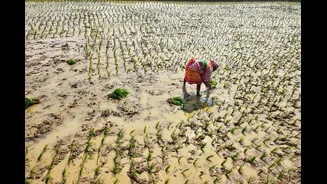
For India, these prolonged heat waves are not just uncomfortable; they are a serious and growing threat. The country has seen a dramatic increase in the frequency and intensity of extreme heat events. This puts immense strain on public health, with a rise in heat exhaustion, heatstroke, and the worsening of chronic conditions like heart and kidney disease. Vulnerable populations, including outdoor labourers, the elderly, and children, are most at risk. The relentless heat also impacts infrastructure, leading to power shortages as cooling demands surge, and threatens agriculture with drought conditions, impacting food and water security for millions.
What to Expect and How to Prepare
As global temperatures continue to rise, scientists project that these persistent high-pressure systems and the intense, long-duration heat waves they cause will become more common. Recent events across the country have already shown 'feels like' temperatures soaring to dangerous levels. This highlights the urgent need for adaptation. Expanding early warning systems, creating public cooling centres, and implementing urban planning that incorporates more green spaces can help mitigate the worst impacts. On an individual level, staying hydrated, avoiding outdoor activity during peak heat hours, and checking on vulnerable family and community members are crucial steps during these extreme weather events.