
A Strategy of Simplification
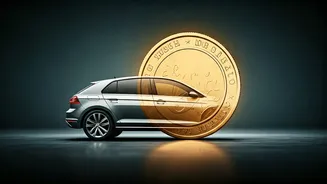
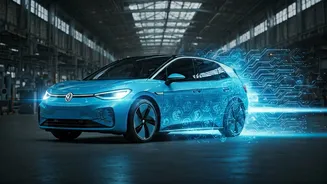
Volkswagen Group, the German automotive titan, is in the midst of a historic and costly pivot to electric vehicles (EVs). To fund this multi-billion dollar transition and streamline its complex portfolio, the company is reportedly exploring the sale of non-core
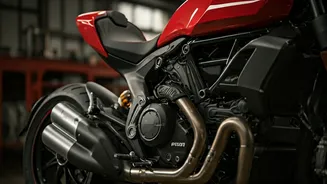
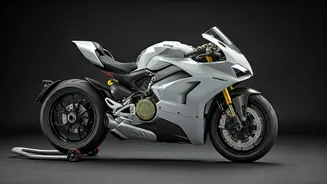
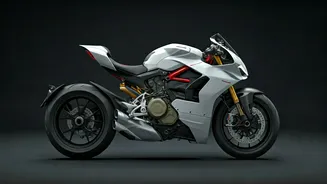
assets. The iconic motorcycle manufacturer Ducati, despite its prestige and profitability, is considered one such asset. This move is part of a broader effort to make the entire company more efficient and focused as it competes with a flood of new EV makers. A VW spokesperson acknowledged the company is undergoing a "profound transformation," stating that its old business model is no longer sustainable.
Ducati's Place in the Empire
VW's Audi subsidiary acquired Ducati in 2012 for approximately $1.1 billion, a move driven largely by former VW Chairman Ferdinand Piëch's passion for the brand. Under VW's ownership, Ducati has performed well, becoming one of the group's most consistently profitable premium brands. It boasts a powerful racing pedigree, dominating in both MotoGP and World Superbike, which reinforces its high-performance image. In 2025, even in a challenging global market, Ducati generated revenues of around €925 million and an operating profit of €52 million. However, for a conglomerate like VW, a high-end motorcycle brand that sells around 50,000 units a year is a drop in the bucket compared to the scale of its automotive operations.
Déjà Vu for Ducati
This is not the first time Ducati has been on the chopping block. In 2017, in the wake of the 'Dieselgate' emissions scandal, Volkswagen explored a sale to raise cash but ultimately shelved the idea after facing resistance from labor leaders. The current situation is different. The pressure isn't from a scandal but from a fundamental industry shift. VW recently sold a majority stake in its marine engine business, and reports suggest a public listing for Lamborghini has also been discussed. These moves signal a serious intent to simplify the group's structure and raise capital for its immense restructuring and EV development costs.
Who Might Buy the Crown Jewel?
If a sale proceeds, there would be no shortage of interested parties. Potential buyers fall into several camps. Private equity firms specializing in premium brands see Ducati as a strong standalone investment with growth potential, free from VW's corporate overhead. Other motorcycle manufacturers could also be contenders; Indian companies, which have shown an appetite for acquiring heritage European brands, are seen as possible suitors. Another scenario involves a management buyout, where Ducati's current leadership partners with investors to take the company private, giving them more autonomy. While no formal process has been announced, investment bankers are reportedly gauging interest from potential buyers.
What This Means for the Future
For Volkswagen, selling Ducati would provide a welcome injection of cash and allow management to focus squarely on the colossal task of electrifying its car brands, from Volkswagen and Skoda to Audi and Porsche. For Ducati, a new owner could bring fresh investment and a more focused strategy. Fans of the brand worry about potential changes to its racing programs or product development, but analysts believe any new owner would be keen to protect the brand's valuable heritage and engineering reputation. In the short term, operations at the Bologna factory continue as normal, with new models launching on schedule. The discussions happening in boardrooms are far removed from the factory floor, but their outcome will shape the future of one of motorcycling's most beloved names.