




The Core Promise: Less Traffic, Less Fuel
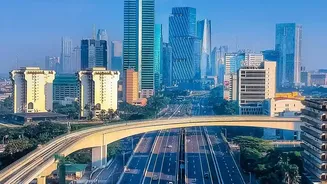
The fundamental logic behind potential savings is simple: time is money, and idling in traffic is a guaranteed way to waste both. Elevated corridors and expressways are designed to let you bypass congested city streets, traffic signals, and bottlenecks.
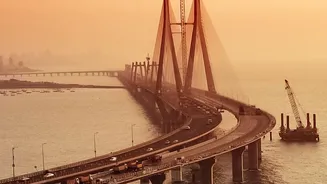
When your car moves at a steady, optimal speed instead of enduring constant stop-and-go conditions, it burns significantly less fuel. For example, the first phase of Mumbai's Coastal Road is estimated to reduce travel time between Worli and Marine Drive from 40-45 minutes to just under 10 minutes. Officials estimate this will result in a 34% fuel saving on that route, contributing to a collective annual saving of nearly $100 million in fuel costs and reduced emissions. This principle applies to any project that decongests traffic, from Bengaluru's planned 75.6-km elevated network to new expressways across the country.
The Great Toll Debate
Here's the catch. These multi-crore infrastructure projects often come with a price for users: tolls. This is where your personal cost-benefit analysis comes into play. You have to weigh the amount you save on fuel against the fee you pay at the toll plaza. For some, the savings on petrol or diesel will outweigh the toll, resulting in a net gain. For others, especially those with highly fuel-efficient cars on shorter trips, the toll might erase the savings. However, some major projects, like the Mumbai Coastal Road, have been declared toll-free, making the savings straightforward for commuters. In another recent development this month, the NHAI has amended its toll calculation rules for highways with long bridges or tunnels, a move expected to lower the user fees on many such stretches by putting a cap on the chargeable distance.
Putting It to the Test: City-Specific Examples
In Bengaluru, the government has approved a massive ₹13,262 crore plan for a network of elevated corridors to ease traffic across critical choke points like Hebbal, the Silk Board to KR Puram stretch, and routes connecting to the airport. The goal is to separate fast-moving, long-distance traffic from local neighbourhood traffic, increasing average speeds for everyone and making public transport faster at the ground level. Similarly, the Delhi-Dehradun Expressway, inaugurated in April 2026, has cut travel time to just 2.5 hours, and new bypasses are being built around cities like Lucknow and Kanpur to decongest urban cores. For motorists on these routes, the calculation remains the same: is the time and fuel saved worth more than the toll paid?
Beyond the Fuel Tank: The Hidden Savings
The financial benefits aren't limited to just your fuel bill. Driving in heavy, stop-start traffic puts significant strain on your vehicle. The constant braking, accelerating, and clutch work leads to faster wear and tear on your brake pads, clutch plates, and transmission. A smoother, faster journey on an elevated corridor reduces this mechanical stress, potentially leading to lower maintenance bills and a longer lifespan for your vehicle's components. While harder to quantify on a per-trip basis, these long-term savings are a real, tangible benefit of improved road infrastructure. Less time on the road also means less exposure to pollution and a reduction in driving-related stress, which, while not a direct monetary saving, certainly improves quality of life.