






An Imminent Cross-Border Threat
Bihar's perennial struggle with monsoon floods has entered a critical phase as authorities respond to an urgent threat originating beyond its borders. A suspected Glacial Lake Outburst Flood (GLOF) and severe flash floods in Nepal have sent a massive
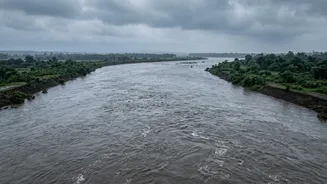
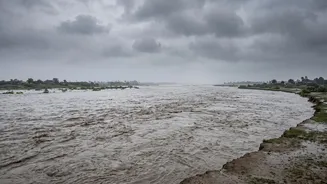
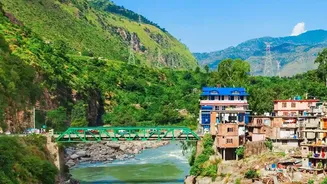
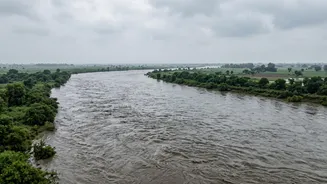
volume of water surging through the Trishuli and Bhote Koshi rivers. This water flows directly into the Narayani river system, which becomes the Gandak when it enters India, traversing through Uttar Pradesh and Bihar. This has prompted a high alert across at least nine districts in North Bihar, with the administration working around the clock to prevent a catastrophe. The focus is on the Gandak and Kosi river basins, which are historically prone to devastating floods.
Mobilisation of Disaster Response
In response to the threat, a significant mobilisation of disaster response teams is underway. The National Disaster Response Force (NDRF) has deployed nine teams to vulnerable locations across Bihar. Two of these teams are specifically positioned to respond to emergencies in the Gandak basin, with deployments in West Champaran and Muzaffarpur. Additional teams from both the NDRF and the State Disaster Response Force (SDRF) have been placed on standby. Bihar's Chief Minister, Samrat Chaudhary, conducted an aerial survey of the Valmikinagar Gandak Barrage to review the situation firsthand, while Chief Secretary Pratyaya Amrit has held high-level meetings to coordinate the response. The Union Home Minister has also spoken with the Chief Minister, assuring all possible assistance from the Centre.
Securing the River Corridors
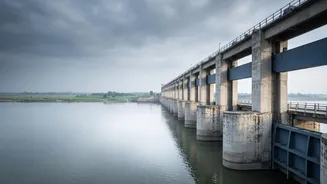
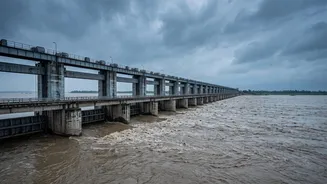
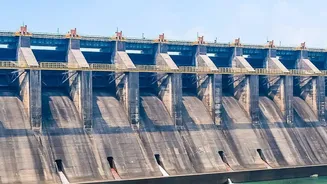
The core of the preparedness strategy lies in managing the river infrastructure. All 36 gates of the Valmikinagar Barrage on the Gandak were opened in phases as a precautionary measure to manage the anticipated surge of water. The Water Resources Department has cancelled leave for its field engineers and staff, who are now conducting round-the-clock surveillance of the state's 3,808 km of embankments. Engineers have been tasked with closely monitoring water levels, bridges, culverts, and other critical infrastructure for any signs of stress or damage. While the surge in the Gandak reportedly receded overnight without breaching the embankments, authorities remain vigilant as several rivers continue to flow near or above danger levels.
Early Warnings and Evacuations
Getting information to vulnerable populations is a key priority. District administrations in high-alert zones like West Champaran, East Champaran, Gopalganj, Muzaffarpur, Saran, and Vaishali have been directed to activate early warning systems. Public announcements are being used in low-lying areas to urge residents to remain vigilant and follow official instructions. In the most at-risk areas, such as the Bagaha region of West Champaran, authorities have already begun evacuating families from low-lying villages to safer locations like government schools. The government has also activated helpline numbers for residents in affected districts to call in case of an emergency.