




The Pressure of Perfection
For home cooks, the quest for culinary authenticity can be daunting. We see a beautiful dish online, perhaps from a cuisine we admire but didn't grow up with, and feel an immense pressure to replicate it perfectly. This pursuit, while well-intentioned,
often misses the point. The fear of getting it 'wrong' can stifle creativity and prevent us from ever trying in the first place. Cooking, at its heart, should be about nourishment, joy, and exploration, not a rigid adherence to rules that may not even apply in our own kitchens. Claiming a dish is 'authentic' can feel like a performance, while admitting it is 'inspired' is an honest acknowledgment of learning and adaptation. This subtle change in language frees us to explore global flavours respectfully.
Meet Gochujang: The Heart of Korean Flavour
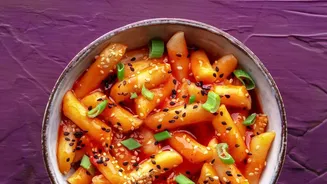
Enter gochujang, the perfect ingredient to illustrate this idea. This staple of Korean cuisine is a fermented red chili paste that is simultaneously spicy, savory, and slightly sweet. It's not just a hot sauce; it's a complex condiment with incredible depth. Its primary ingredients include gochugaru (Korean chili powder), glutinous rice, fermented soybean powder, and salt. The magic happens during fermentation, a process that can traditionally take months or even years. This slow transformation breaks down the starches in the rice into sugars, which creates a subtle, natural sweetness to balance the robust chili heat and the deep, savory umami from the fermented soybeans.
A Symphony of Sweet and Fermented Heat
What makes gochujang so compelling is its complexity. It’s not a one-note spice. The heat from the chili powder is the first thing you notice, but it’s quickly followed by a rich, savory depth and a rounding sweetness. This is the power of fermentation at work—a process central to Korean cuisine that creates layers of flavor that you simply can't get by mixing ingredients together in the moment. This fermented 'funk' is what gives gochujang its soul. It's what makes it a versatile powerhouse, capable of being used as a marinade, a sauce base for stews like bibimbap, or simply as a condiment to liven up any meal. Its thick, paste-like consistency means it clings to food, delivering its flavour in every bite.
The Grace in 'Inspired By'
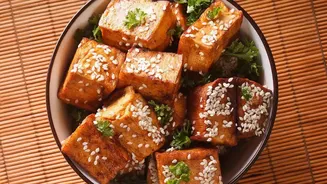
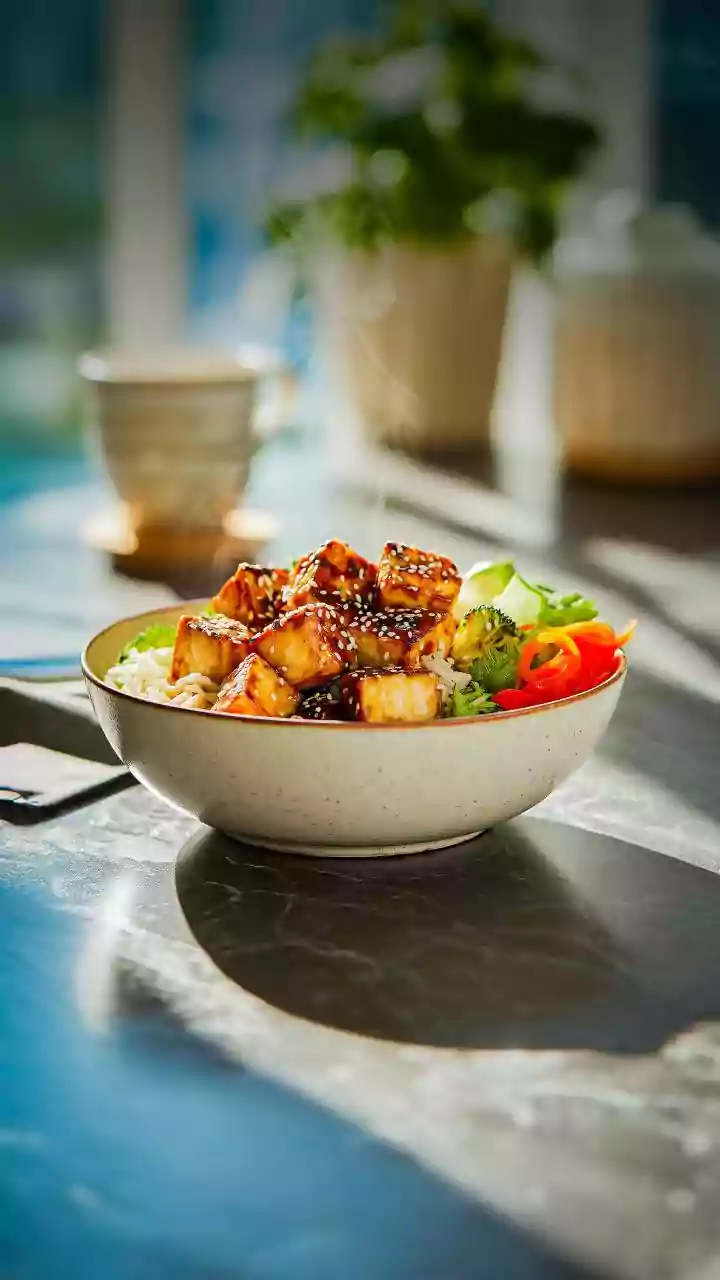
So, let’s return to our tofu rice bowl. Is it an ancient, traditional Korean dish? Likely not in the exact form many of us make at home. But by tossing crispy tofu in a glaze made from gochujang, soy sauce, a touch of sweetener, and vinegar, we are creating something delicious that honours its roots. Calling it 'Korean-inspired' is the perfect description. It pays respect to the foundational ingredient—gochujang—and the flavour profiles of Korean cuisine without making an unearned claim of authenticity. It acknowledges that a home cook in Mumbai or Delhi, using locally available tofu and vegetables, is creating their own version. This approach moves beyond the fusion-versus-authentic debate into a more honest space of global culinary appreciation.
Building Your Perfect Bowl
The beauty of a gochujang tofu rice bowl lies in its simplicity and adaptability. Start with a bed of fluffy rice. Top it with cubes of tofu that you’ve pan-fried or baked until crisp, then coated in that addictive, glossy red sauce. The gochujang provides the core flavour: a fermented heat and sweetness that makes the humble tofu extraordinary. From there, the bowl is your canvas. Add cooling, crunchy elements like sliced cucumber or a quick slaw. Throw in some steamed broccoli or spinach. Garnish with scallions and sesame seeds for freshness and texture. Each bite offers a contrast of temperatures, textures, and tastes—the warm, spicy tofu against the cool, crisp vegetables. It's a complete, satisfying meal that demonstrates how one powerful, 'inspired' ingredient can elevate the everyday.