




Why Your Best Friend’s Favourite Oil Might Not Be Yours
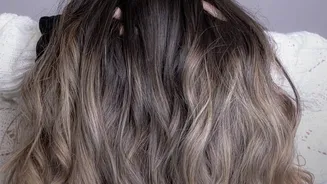
The tradition of hair oiling in India is a cherished ritual, but the idea of a single “best” oil is a modern myth. What works wonders for one person can be ineffective or even problematic for another. The reason is simple: our bodies are unique. Your
scalp's specific needs are determined by genetics, hormones, and environmental factors. An oil that deeply moisturises a dry, flaky scalp could overwhelm an oily one, leading to greasiness and clogged pores. Similarly, hair texture plays a crucial role; a thick oil that defines coarse curls might weigh down fine, straight hair. True hair health begins with understanding that personalisation is more important than popularity.
Understanding Your Scalp Type
Before you can choose the right oil, you must get to know your scalp. There are generally four types: oily, dry, sensitive, and combination. An oily scalp produces excess sebum, often making hair feel greasy and heavy soon after washing. A dry scalp lacks sebum, leading to tightness, itchiness, and small, white flakes. A sensitive scalp reacts easily to new products or environmental changes, showing signs of redness and irritation. A combination scalp might feel oily at the roots while the hair ends remain dry. To identify your type, wash your hair with a gentle cleanser, apply no products, and observe how your scalp feels and looks the next day. This simple test is the first step toward finding a compatible oil.
A Look at Popular Natural Oils
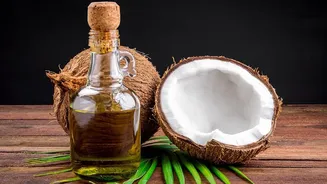
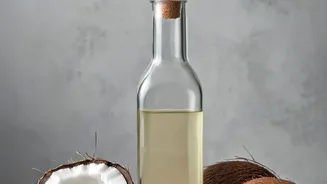
India’s rich tradition of Ayurveda offers a wealth of natural oils, each with unique properties. Coconut oil is widely celebrated for its ability to penetrate the hair shaft and reduce protein loss, making it great for conditioning. Amla oil, packed with Vitamin C, is known for strengthening hair from the roots and potentially preventing premature greying. Bhringraj, often called the “king of herbs,” is reputed to support hair growth and maintain scalp health. Castor oil is a much thicker oil used to improve blood flow to the scalp and moisturise. Lighter options like almond oil are rich in Vitamin E and can add softness and shine without feeling heavy. These are not recommendations, but a starting point for your own research based on your scalp’s needs.
The Crucial Step: How to Patch Test
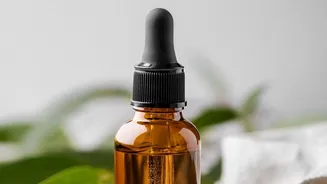
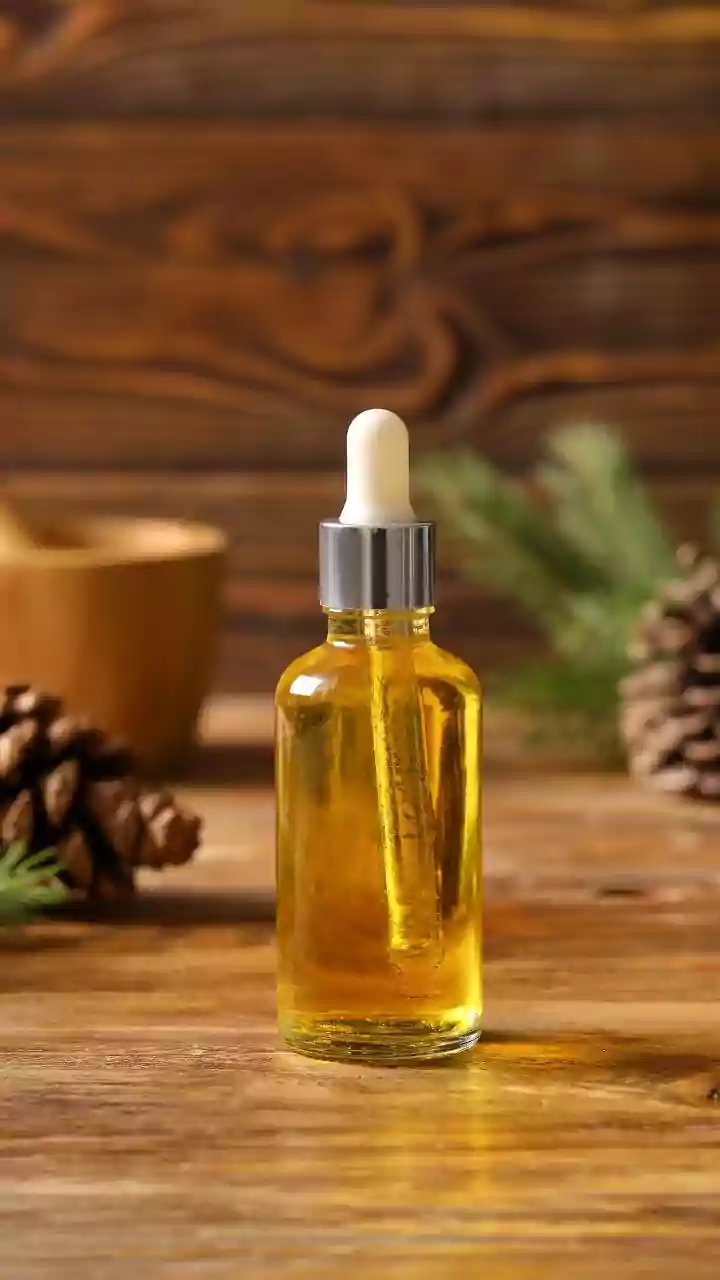
Never apply a new oil all over your scalp without testing it first. A patch test is a simple safety measure to check for an allergic reaction or irritation. First, dilute the natural oil if it's an essential oil like rosemary or tea tree, mixing a few drops with a carrier oil like coconut or almond oil. Apply a small amount of the chosen oil to a discreet area of skin, such as behind your ear or on your inner elbow. Leave the area alone and monitor it for at least 24 to 48 hours. If you notice any redness, itching, burning, or swelling, wash the area immediately and do not use the product on your scalp. If there is no reaction, you can proceed with more confidence.
Listening to Your Hair and Scalp
After you’ve successfully patch-tested and applied a new oil, pay close attention to the results. Positive signs are what you’d expect: your hair feels softer, looks shinier, and is more manageable. However, it's the negative signs you must watch for. If your scalp feels itchy, red, or develops flakes after oiling, it's a clear signal that the oil is not suitable for you. Another warning sign is if your hair feels greasy on the surface but still dry and brittle underneath; this means the oil isn't penetrating the hair shaft and is instead just sitting on top. If your hair feels heavy, sticky, or weighed down even after washing, the oil is likely too thick for your hair type. These reactions are your body’s way of telling you to try something different.