







What is a CIBIL Score, Anyway?
Think of your CIBIL score as your financial report card. It's a number between 300 and 900 that tells lenders how responsible you are with credit. This score is generated by TransUnion CIBIL, one of India's primary credit bureaus, based on your credit history.
A higher score suggests you're a low-risk borrower, making banks and financial institutions more confident in lending you money. Generally, a score of 750 or above is considered excellent, significantly improving your chances of getting loans and credit cards on favourable terms.
Payment History: The Foundation of Your Score
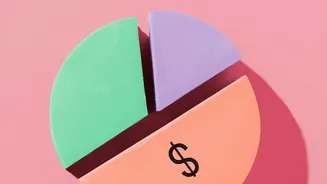
While several factors influence your score, one stands above all: your payment history. This is the most heavily weighted component, accounting for roughly 35% of your CIBIL score calculation. It’s a direct reflection of your reliability. Every time you pay your Equated Monthly Instalment (EMI) for a loan or clear your credit card dues on time, you are sending a positive signal to the credit bureau. Consistent, timely payments are the strongest evidence that you can manage debt responsibly, which in turn boosts your score.
The Impact of a Single Missed Payment
It might seem small, but even one late payment can have a significant negative effect. A single missed EMI or credit card payment can cause your CIBIL score to drop by as much as 50 to 100 points. Lenders report payment delays to credit bureaus, and this negative mark can stay on your credit report for years, even after you've paid the due amount. The impact isn't just about the amount you missed; the length of the delay is critical. A payment that is 90 days overdue is far more damaging than one that is 30 days late. This is why even a small, forgotten credit card bill can quietly cause substantial harm to your credit health.
EMIs and Credit Cards: All Payments Matter
Both your secured loans (like home or auto loans with EMIs) and unsecured credit (like personal loans and credit cards) are reported to CIBIL. When you convert a large credit card purchase into an EMI, it is also tracked as an active credit account. Paying these EMIs on time builds a positive history. Conversely, defaulting on either can damage your score. Lenders view your entire payment history holistically, so being diligent with every single due date, no matter how small, is essential for maintaining a strong and healthy credit profile.
Tips for Flawless Payment Discipline
Ensuring you never miss a payment is easier with a few simple strategies. The most effective method is to set up automatic payments or auto-debit instructions from your bank account for all your EMIs and credit card bills. This ensures the funds are transferred on the due date without you having to remember manually. You can also set up calendar reminders or alerts on your phone a few days before the due date. Another good practice is to always pay the full amount due on your credit card, not just the minimum. Simply paying the minimum can lead to high interest charges and indicates a reliance on credit that can negatively affect your score over time.
Beyond Timely Payments: Other Key Factors
While payment history is king, other factors also play a crucial role. Your credit utilisation ratio—the amount of credit you're using compared to your total available limit—is the second most important factor. It's advisable to keep this below 30%. A healthy mix of credit, such as having both a secured loan and a credit card, is also viewed positively. Additionally, the length of your credit history and the number of recent applications for new credit (hard enquiries) are also factored into your score.