






The Myth of a Monolith
When we talk about the food of Northeast India, it's easy to fall back on familiar tropes: smoked pork, bamboo shoots, and the legendary Bhut Jolokia chilli. While these are indeed iconic elements, they represent only a fraction of a vast and complex
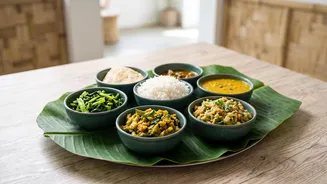
culinary world. Spanning Arunachal Pradesh, Assam, Manipur, Meghalaya, Mizoram, Nagaland, Sikkim, and Tripura, the region is home to hundreds of indigenous communities, each with its own unique food traditions shaped by local geography and culture. To lump them all under one banner is to miss the point entirely. The cuisine here is starkly different from mainstream Indian food, characterized by minimal oil and powdered spices, with a focus on fresh, foraged ingredients and cooking methods like smoking, fermenting, and steaming. The 'Northeast speciality' is not one single taste, but a symphony of many.
Fermentation: The Umami Powerhouse
One of the most defining, yet misunderstood, aspects of the region's food is fermentation. This ancient preservation technique is central to creating the deep, umami flavours that characterize many dishes. In Nagaland, 'Axone' or 'Akhuni' is a pungent paste made from fermented soybeans, used to add depth to meat and vegetable curries. Manipur has its 'Ngari', a fermented fish that is essential to dishes like 'Eromba', a vegetable mash. Meghalaya's 'Tungrymbai' is another fermented soybean product, often cooked with pork. These ingredients can be an acquired taste due to their strong aromas, but they are the heart and soul of their respective cuisines, providing not just flavour but also gut-friendly probiotics. Far from being a single note, fermentation techniques and ingredients vary dramatically from state to state and even tribe to tribe.
A Tour of Tastes
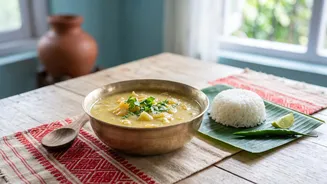
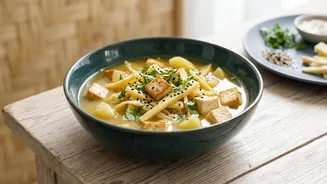
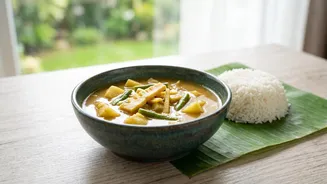
Exploring the specific dishes of each state reveals a staggering diversity. Assamese cuisine, for example, is known for its sour notes in dishes like 'Masor Tenga' (sour fish curry) and the unique alkaline flavour of 'Khar'. Nagaland's food is often bold and smoky, with smoked meats and generous use of chillies being prominent. In contrast, Mizo food is often simpler, featuring boiled and steamed preparations like 'Bai', a stew of vegetables and meat with minimal spice. Manipuri cuisine is celebrated for its fresh salads like 'Singju' and vegetable stews ('Chamthong'), often garnished with aromatic local herbs. In Meghalaya, you'll find 'Jadoh', a rice and meat dish, and 'Dohneiiong', pork cooked with black sesame. Tripura's cuisine makes liberal use of 'Berma', a fermented dry fish, while Sikkim's food shows influences from Tibetan and Nepali traditions with dishes like 'Dhindo' (buckwheat or millet meal) and 'Kinema' (fermented soybean curry). Finally, Arunachal Pradesh features dishes like 'Lukter' (dried beef) and makes heavy use of fresh bamboo shoots.
Beyond the Stereotypes
There are many misconceptions about the region's food. One is that it is exclusively non-vegetarian. While meat and fish are central to many diets, there is a rich tradition of vegetarian dishes made from foraged greens, tubers, and seasonal vegetables. Another stereotype revolves around the Bhut Jolokia, or ghost pepper. While famously one of the world's hottest chillies, it is used judiciously to flavour curries and make pickles, not to render every dish inedibly spicy. It's an integral part of the cuisine, but not the only flavour. The food is also not universally bland; it's about highlighting the natural taste of ingredients rather than masking them with a heavy hand of masala. The pungency comes from fermented products and fresh herbs, creating a different kind of flavour complexity.