







A Conservation Story for the Ages
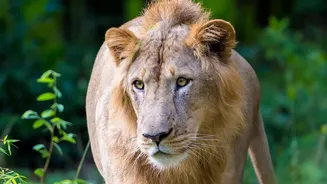
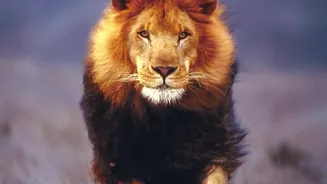
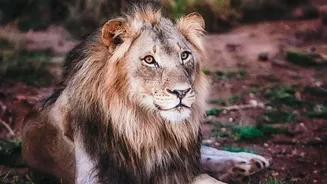
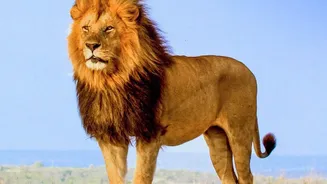
The Asiatic lion, a majestic animal woven into India's cultural fabric, was once on the brink of extinction. By the early 20th century, hunting and habitat loss had decimated their numbers, leaving only a handful of individuals in the Gir forests of Gujarat.
Thanks to decades of dedicated conservation efforts, this story has been dramatically rewritten. From a population of just 523 in 2015, the numbers swelled to 674 in 2020 and an estimated 891 by 2025. This remarkable 70% increase in a decade is one of the world's greatest wildlife recovery tales, turning Gir National Park into a celebrated but crowded home.
The Sprawl from a Saturated Sanctuary
The success in Gir created a new challenge: a space crunch. With the sanctuary approaching its carrying capacity, young male lions began venturing out in search of new territory. This wasn't a planned relocation but a natural dispersal driven by instinct. Today, nearly half the state's lion population lives outside the core protected area. They have established themselves across a vast 35,000 square kilometre landscape, spanning several districts including Amreli, Bhavnagar, and Porbandar. These lions navigate a human-dominated world of farms, industrial areas, and coastal plantations, creating a unique and complex chapter in their expansion.
Barda: The Designated Second Home
While lions have been finding their own new homes, a more formal plan has been taking shape. The Barda Wildlife Sanctuary, located about 100 kilometres from Gir, has been identified as an official second home for the big cats under the central government's 'Project Lion'. Historically, lions roamed this area but vanished around 1879. Their return began naturally when a lone male dispersed to Barda in 2023. This was followed by the Gujarat Forest Department augmenting the population with several females. Studies have confirmed that Barda's rugged hills and forests provide a suitable habitat and prey base to support a long-term lion population.
Preparing the New Kingdom
Establishing a new home for an apex predator is no small feat. The government has been actively preparing Barda to ensure its success. To bolster the natural prey base, hundreds of chital (spotted deer) have been translocated from Gir to Barda. A team of full-time lion trackers monitors the animals' health and movements using tools like radio collars, which have generated extensive data on their habits. Furthermore, the government has announced a compensation scheme to encourage the voluntary relocation of pastoralist 'Maldhari' families from within the sanctuary, aiming to reduce human presence and biotic pressure.
The Challenge of Coexistence
The expansion of lions into landscapes shared with humans inevitably raises the issue of conflict. The success of this next phase hinges on human tolerance. For generations, communities like the Maldharis have coexisted with lions, developing a unique cultural acceptance despite occasional livestock losses. This coexistence is supported by the government's compensation scheme for predated livestock. However, studies show that while many communities are tolerant, the risk of conflict increases near areas with unregulated tourism, where lions are sometimes baited for viewings. Managing this human-animal interface is now the primary challenge for conservationists.