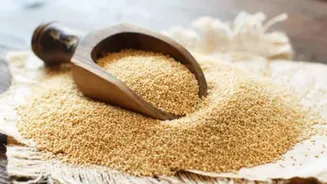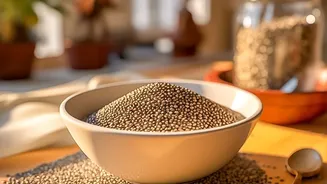





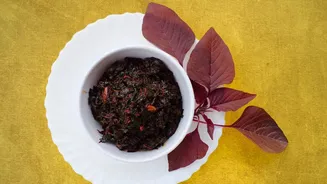
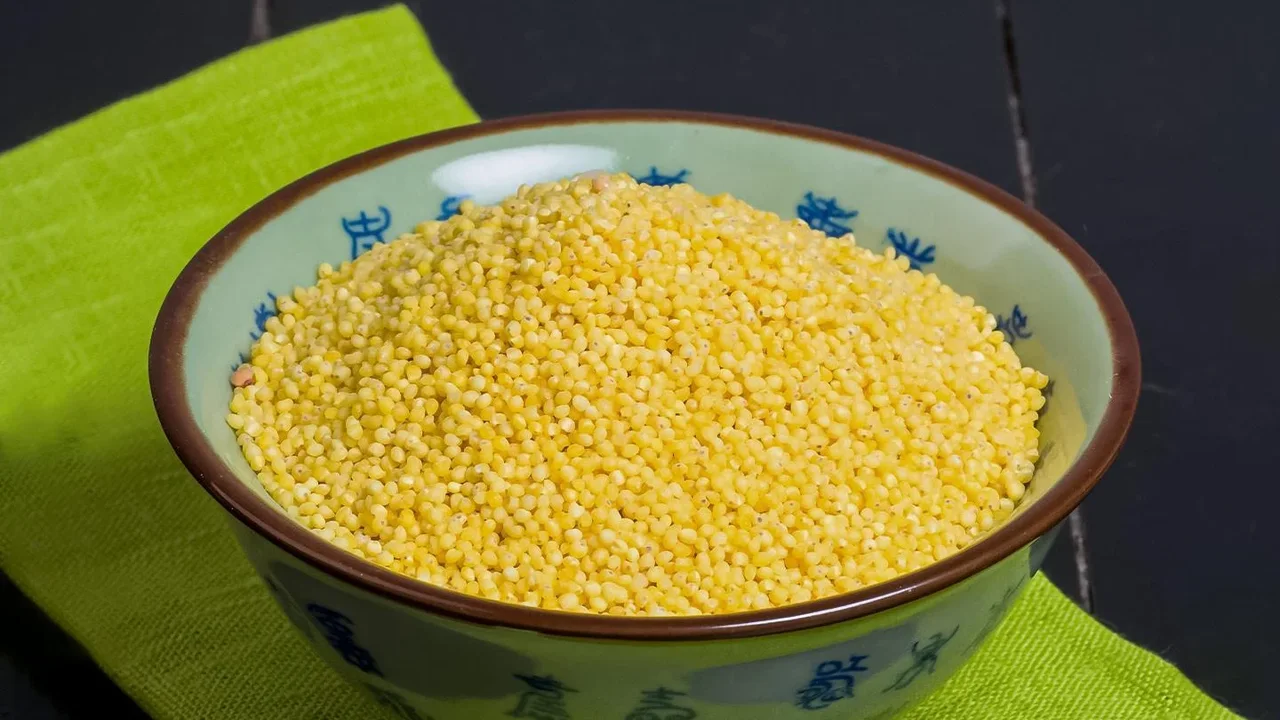

What Exactly Is Amaranth?
Though often grouped with cereals like wheat and oats, amaranth is technically a 'pseudo-cereal.' Cultivated for thousands of years by ancient cultures like the Aztecs, it's the seed of a leafy plant that's related to beets and spinach. With a mild, nutty
flavour, it has become popular today as a versatile, gluten-free option. Its resurgence is largely due to its impressive nutritional profile, which includes high-quality protein and a wealth of essential micronutrients. Unlike many other grains, amaranth provides a complete protein, meaning it contains all nine essential amino acids, including lysine, which is often limited in plant-based diets.
The Bone-Building Nutrients Inside
When it comes to bone nutrition, amaranth delivers a powerful combination of minerals. It's an excellent source of manganese, magnesium, and phosphorus. One cooked cup provides over 100% of the daily value for manganese, a mineral crucial for forming connective tissue in bone. It also supplies about 40% of the daily need for magnesium, which helps the body absorb calcium and is vital for bone formation. Phosphorus is another key player, working alongside calcium to give bones their rigid structure. Furthermore, amaranth contains a notable amount of calcium itself. While not as high as dairy, one cooked cup offers around 116 mg, contributing meaningfully to your daily intake.
Beyond Minerals: The Role of Protein
Strong bones are not built with minerals alone. They are living tissues with a protein framework—primarily made of collagen—that minerals bind to. Amaranth is a fantastic source of plant-based protein, with over nine grams in a single cooked cup. The amino acid lysine, which is abundant in amaranth, is particularly noteworthy. Research suggests lysine aids in calcium absorption, a crucial step in ensuring the mineral effectively strengthens bones. This combination of high-quality protein and a suite of essential minerals makes amaranth a well-rounded food for a bone-supportive diet.
A Quick Word on Nutrient Absorption
Like many seeds and grains, raw amaranth contains compounds called anti-nutrients, such as phytic acid and oxalates, which can slightly reduce the body's ability to absorb minerals like calcium and iron during digestion. However, this is not a significant concern for most people with a varied diet, and the effects are easily minimized. Simple preparation methods like soaking the grain overnight before cooking, sprouting, or boiling effectively break down these compounds. Cooking amaranth significantly improves its digestibility and the bioavailability of its beneficial nutrients, ensuring your body can make the most of what it has to offer.
Making Amaranth a Breakfast Staple
Incorporating amaranth into your morning routine is simple and delicious. The most popular way to enjoy it is as a creamy porridge. To cook it, use a ratio of about one part amaranth to three parts water, bring to a boil, then simmer for about 20-25 minutes until the water is absorbed and the texture is thick. From there, the possibilities are endless. Stir in cinnamon, top with fresh berries and nuts, or add a scoop of Greek yogurt for an extra protein boost. You can also make overnight amaranth and chia jars, or add cooked amaranth to smoothies for a nutty flavour and nutritional kick.