




More Than Just a Party Trick
Walking backward, or 'retro-walking', is gaining attention as a simple yet powerful exercise. While it might feel strange at first, its benefits are backed by a growing body of research. Physical therapists have used it for decades in rehabilitation settings
to help patients recover from injuries and neurological conditions. The reason is that moving in reverse changes our typical gait pattern, shifting the workload from the ankles to the hips and knees and engaging muscles that are often underused in our daily forward motion. Studies show that even short sessions of backward walking can lead to significant improvements in balance, walking speed, and stability, particularly for older adults or those recovering from a stroke or knee injury. It's a low-impact activity that offers a high return for your physical well-being.
A Wake-Up Call for Your Brain
One of the most profound benefits of retro-walking is the effect it has on the brain. Forward motion is so routine that our brain can switch to autopilot. Walking backward, however, is a novel task that demands your full attention. You can't see where you're going, so your brain must work harder, heightening your spatial awareness and coordination. This increased cognitive demand activates parts of the brain like the prefrontal cortex, which is responsible for decision-making and problem-solving. Researchers believe this mental workout helps build new neural pathways and can even sharpen memory. Because it requires intense focus, some find it has a meditative quality, quieting the mental chatter associated with stress and anxiety.
Unlock Joint and Muscle Benefits
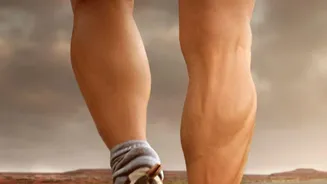
If you experience knee pain, walking backward could offer relief. When we walk forward, the impact of each step is absorbed significantly by the knee joint. In contrast, reverse walking involves a toe-to-heel motion that reduces the compressive force on the kneecap. This can make it a gentler alternative for individuals with knee osteoarthritis. Furthermore, retro-walking strengthens muscles that support the knee, including the quadriceps, calves, and hamstrings, but in a different way than forward walking. It also helps increase flexibility in the hamstrings and improves range of motion in the hips, which can contribute to better posture and reduced lower back pain. According to the American College of Sports Medicine, it can even burn up to 40% more calories than brisk forward walking.
How to Start Safely
The key to adding backward walking to your routine is to prioritize safety. Since you can't see behind you, it's crucial to start in a controlled and obstacle-free environment. A clear hallway at home or an empty track is a good starting point. Many find a treadmill to be the safest option, as you can hold onto the handrails for support and set a slow, steady pace. Always attach the safety key to your clothing. Begin with just five to ten minutes at a time, focusing on your form: keep your back straight and roll your foot from toe to heel. You can alternate between one minute of walking forward and one minute of walking backward to get comfortable. As your balance and confidence improve, you can gradually increase the duration or try it on a slight incline for an added challenge.