





Reading the Wind
Before a kite even leaves the ground, the most crucial skill is assessing the wind. This isn't about complex meteorology but rather a tactile sense of the air's power. Experienced flyers can feel whether a breeze is steady enough to provide consistent
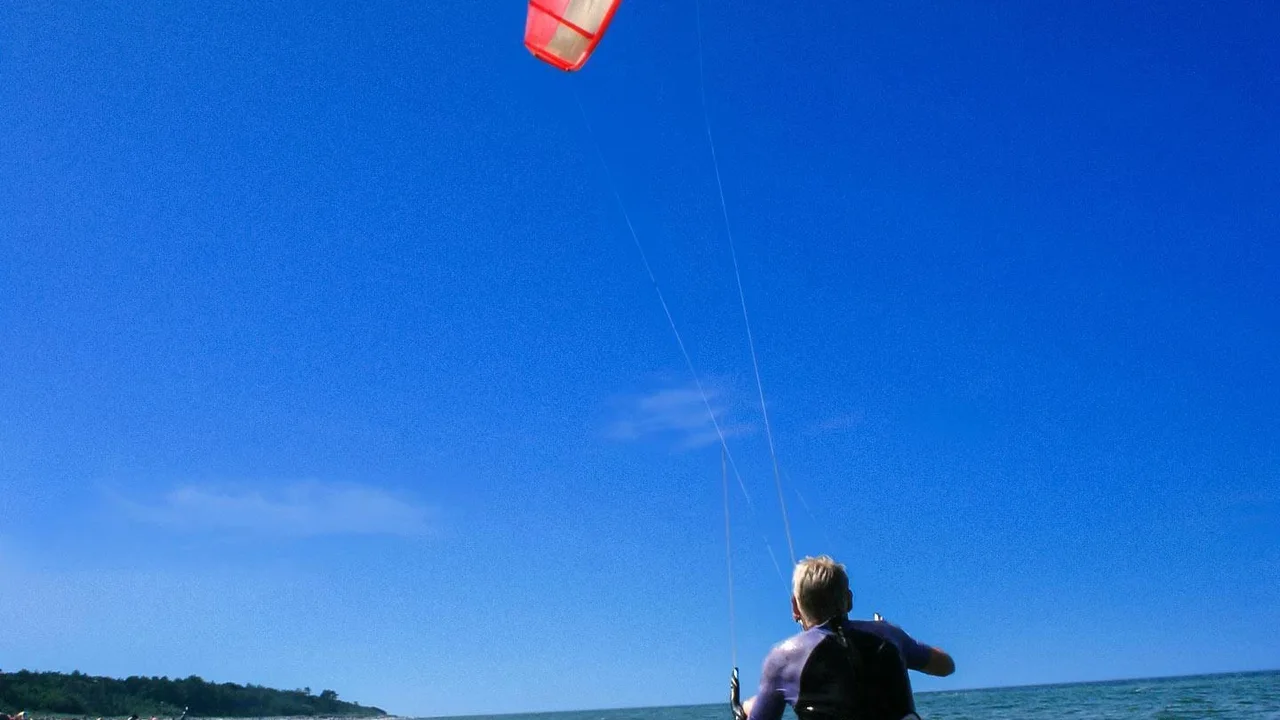
lift or too gusty, which could send a kite into a nosedive. The ideal wind for most single-line kites is between 5 and 15 mph—enough to rustle leaves and keep small flags extended. The first physical act is positioning your body correctly: you must stand with your back to the wind, letting it flow past you towards the kite. This simple stance is the foundation of a successful launch and stable flight.
Mastering Line Tension
Kite flying is a constant exercise in managing line tension. This is where your hands and arms do most of the work, translating the kite's behaviour into feelings you can react to. When you pull in on the line, you increase the kite's angle against the wind, which generates more lift and makes it climb. When you let the line out, you decrease the tension, allowing the kite to drift or recover from a dip. This isn't about brute force; it's a delicate and continuous feedback loop. A sudden drop in tension signals a loss of lift, while a hard, steady pull indicates strong, stable flight. Your ability to make tiny, quick adjustments—a slight pull here, a bit of slack there—is what keeps the kite in that perfect, soaring equilibrium.
The Art of the Launch
Getting a kite into the air gracefully requires more than just running. In fact, running is often counterproductive. The most effective technique involves coordination and a partner, if possible. One person holds the kite about 50 to 100 feet downwind, nose pointed to the sky. The flyer, with their back to the wind, waits for a steady gust. On signal, the helper releases the kite, and the flyer takes a few steps backward, pulling gently on the line to create tension and help it climb. This controlled backward walk keeps the line taut without the erratic jerking that running can cause, giving the kite a smooth ascent into the higher, more stable winds. This initial sequence develops kinesthetic awareness and coordination.
Subtle Steering and Control
For single-line kites, steering is a subtle art. It's less about directing the kite left or right and more about keeping it stable. If the kite begins to spin or dive, a quick pull on the line can often restore its stability by increasing its angle to the wind. For dual-line or stunt kites, the physical skill becomes much more active and requires significant hand-eye coordination. Pulling the right handle makes the kite turn right; pulling the left makes it go left. Holding one line taut while the other is slack can send the kite into tight loops or spins. This requires a dexterity that separates the novice from the expert, turning the flyer into a pilot who is actively carving paths across the sky.
Your Body as an Anchor
While your hands do the fine-tuning, your entire body acts as an anchor and a shock absorber. A solid, grounded stance allows you to resist strong gusts without being pulled off balance. Your core engages to provide stability, especially with larger kites that generate significant pull. Instead of being a rigid statue, a good kite flyer moves with the kite, walking toward it to reel it in or stepping back to add tension. This full-body engagement is a form of light physical exercise that enhances balance and spatial awareness. You're not just holding a string; you are the firm, stable point on the ground that makes flight possible, connecting earth to sky.