

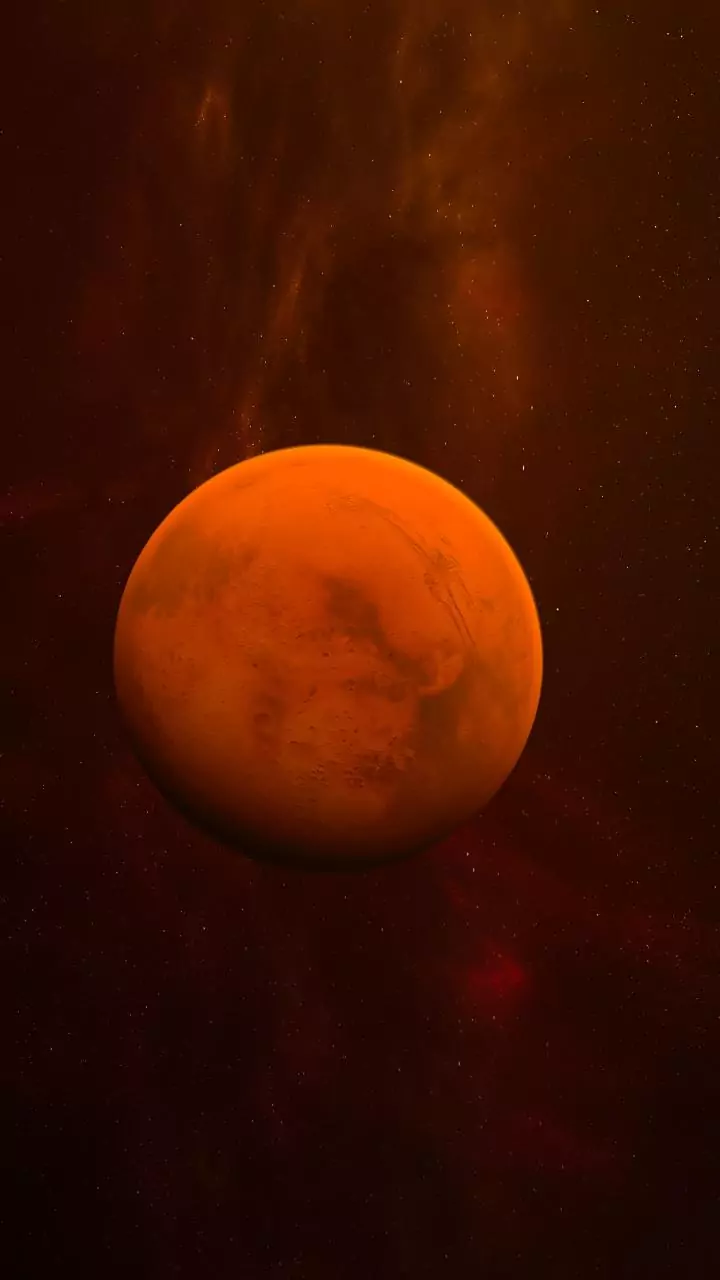

The Red Planet's Hidden Pulse
The prevailing view of Mars has long been that of a planet whose geological heyday ended billions of years ago. Without the churning plate tectonics that constantly reshape Earth's surface, scientists largely considered the Red Planet to be dormant, its
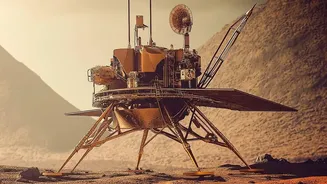
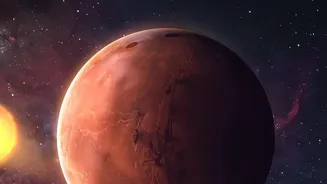
massive volcanoes like Olympus Mons standing as silent monuments to a fiery past. However, new evidence is challenging this long-held assumption. Recent studies, particularly those using data from NASA's InSight lander, suggest Mars may be far from dead. Researchers have found compelling signs of a massive, active mantle plume—a huge blob of hot, buoyant rock rising from deep within the planet—under a region called Elysium Planitia. This plume, estimated to be around 4,000 kilometers wide, is actively pushing the surface upward, causing marsquakes and feeding volcanic eruptions that have occurred as recently as 53,000 years ago—a geological blink of an eye.
Listening to the Martian Underground
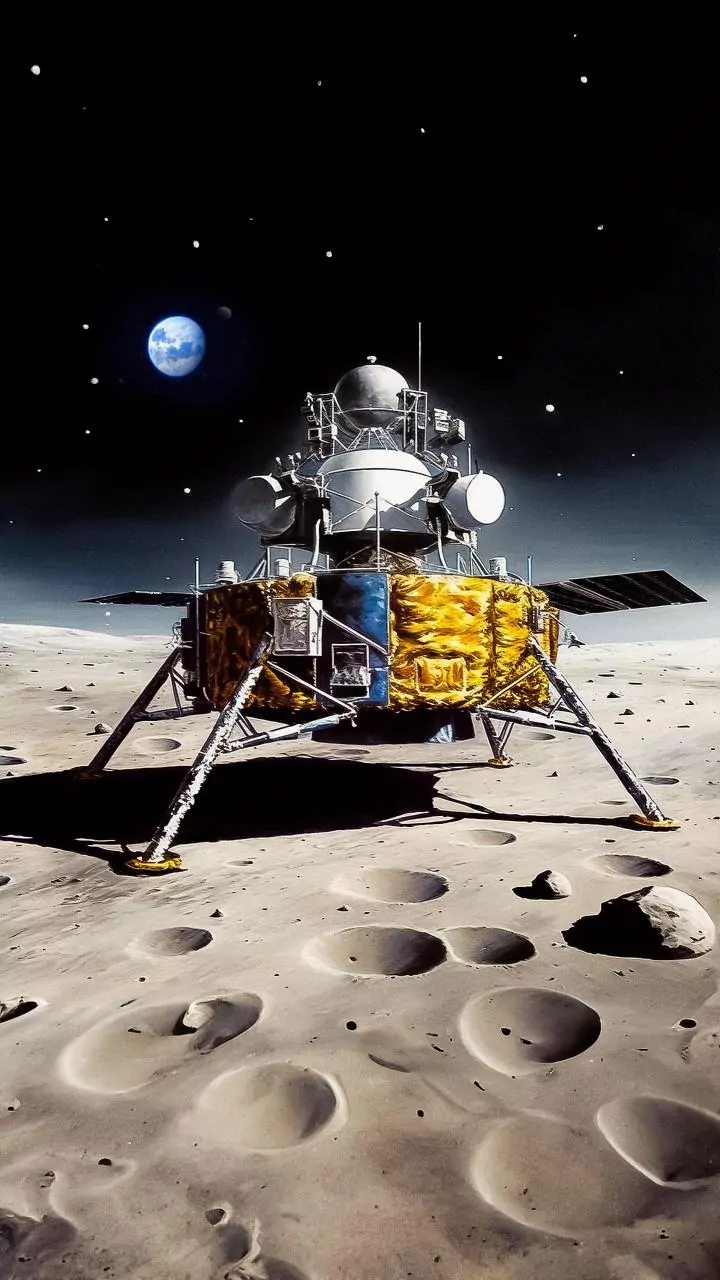
The key to this new understanding came from listening closely to the planet's interior. The InSight lander, which deployed a sensitive seismometer on the Martian surface, detected numerous marsquakes, nearly all of which originated from one area: the Cerberus Fossae, a series of long fissures in Elysium Planitia. This concentration of seismic activity was a major clue. Further analysis of seismic waves travelling through the planet's crust revealed a mysterious boundary about 24 kilometers deep. Researchers now believe this boundary marks a layer where molten rock once pooled and spread out over hundreds or thousands of kilometers, creating vast, interconnected magmatic systems. This structure, known as 'transcrustal magmatism', was once thought to be possible only on Earth, where plate tectonics drives complex geological recycling. Discovering it on Mars suggests the planet sustained a much more complex and active interior than previously imagined.
A Blueprint for Other Worlds
The discovery that a 'stagnant lid' planet like Mars—one without moving tectonic plates—can still have a complex, active interior has profound implications for how we view other planets. For a long time, scientists have used plate tectonics as a key criterion when assessing the potential habitability of rocky exoplanets. On Earth, this process is crucial for building continents, recycling elements, and regulating the climate over geological timescales, all of which are vital for sustaining life. The assumption was that without plate tectonics, a planet would quickly become geologically inert and likely inhospitable. The Martian findings turn this idea on its head. They suggest that planets without plate tectonics might not be the simple, dead worlds we assumed. They too can have long-lived internal heat engines, complex crustal evolution, and sustained volcanic activity, powered by phenomena like mantle plumes.
The Habitability Question
This paradigm shift directly impacts the search for extraterrestrial life. Volcanism is a critical engine for habitability. Volcanic outgassing releases gases like carbon dioxide and water vapour that form and regulate a planet's atmosphere and climate. Furthermore, the heat from a mantle plume could melt subsurface ice, creating deep, warm aquifers sheltered from the harsh surface radiation—environments where microbial life could potentially thrive. By showing that complex magmatic systems can exist without plate tectonics, the research on Mars effectively widens the net for potentially habitable exoplanets. Worlds previously dismissed as geologically uninteresting might now be considered prime candidates for a second look. Instead of only searching for Earth-like planets with active tectonics, astronomers can now look for the tell-tale signs of volcanism as a key indicator of a dynamic, and possibly living, world.