






What is Creatine?
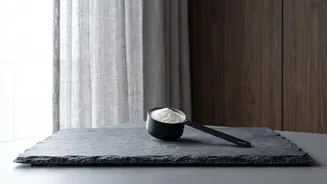
Before diving into the latest research, it helps to understand what creatine is. It's not a strange, lab-made substance but a natural compound your body already produces. It's found in small amounts in foods like red meat and fish. Its main job is to help your muscles
produce energy during heavy lifting or high-intensity exercise. This is why it has been a staple for athletes and bodybuilders for decades, known for helping to improve strength, increase lean muscle mass, and help muscles recover more quickly.
The Buzzworthy New Study
A recent study from Texas A&M University, published in the Journal of the International Society of Sports Nutrition, is behind the latest headlines. Researchers looked at 64 healthy adults between the ages of 45 and 65 over a 12-week period. Some participants followed a structured diet and exercise program, while others did not. Within both groups, people were randomly given either 10 grams of creatine daily or a placebo. The results for the non-exercising group were particularly interesting: those taking creatine gained about 1.1 kg (2.4 pounds) of lean tissue and saw improvements in their leg and bench press strength, all without a structured workout routine.
A Boost, Not a Replacement
While the non-exercise results are intriguing, it's crucial to look at the full picture. The study participants who combined creatine with a diet and exercise program saw even better results. They gained more lean muscle (about 1.3 kg or 3 pounds), lost more body fat, and had significantly greater gains in strength and muscular endurance. This highlights a key takeaway: creatine works best as an addition to, not a substitute for, an active lifestyle. The researchers noted that creatine seemed to amplify the positive effects of the workouts. Think of it less as a magic pill and more as a helpful tool that makes your efforts in the gym more effective.
What This Means for Inactivity
So, if it’s not a gym pass replacement, what's the real-world application? The findings are promising for situations where regular exercise isn't possible. This could include periods of recovery from an injury, times of illness, or for older adults who struggle with mobility and are at risk of age-related muscle loss, a condition known as sarcopenia. Some research suggests creatine can help attenuate muscle loss during periods of immobilization, though the evidence is mixed and seems more effective during the rehabilitation or 're-loading' phase. Essentially, it might help you hold onto more muscle when you're forced to be sedentary, making the return to activity a little easier.
Is It Safe and Should You Take It?
Creatine is one of the most studied supplements on the market and is generally considered safe for healthy individuals at recommended doses. Most experts suggest a daily dose of 3 to 5 grams to reap its benefits. The study used a higher dose of 10 grams, but this was for a specific research context. The most common side effect is water retention in the muscles, which might cause a slight initial weight gain. While the new study is promising, especially for middle-aged and older adults looking to preserve muscle, it doesn’t mean everyone needs to start taking it. If you are already active and eating a balanced diet, the added benefit may be modest. However, if you are concerned about muscle loss due to age or inactivity, it might be worth discussing with a healthcare professional.