


The Importance of a Flawless Exterior
The headline offers the most critical piece of advice: inspect the skin. A papaya with smooth, intact skin is your first sign of a healthy fruit. Blemishes, bruises, deep wrinkles, and cuts are not just cosmetic issues. Breaks in the skin can introduce
mold and bacteria, leading to faster spoilage and an off-taste. Leaking soft spots are a definite red flag, indicating that the fruit is already overripe and likely decomposing from the inside. A gentle press should reveal a slight give, much like a ripe avocado, but your finger shouldn't sink in. If it’s rock-hard, it’s underripe; if it’s mushy, it’s past its prime.
Decoding the Colours of Ripeness
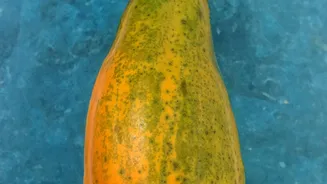
A papaya’s skin color is a roadmap to its ripeness. Papayas are typically harvested when still green to protect them during shipping. A mostly green papaya is unripe and will need several days on your counter. If you see a mix of green and yellow, the fruit is in the ripening process. For a papaya you plan to eat within a day or two, look for one that is predominantly yellow or orange-gold. A little green is fine, especially near the stem, as many papayas will continue to ripen after being picked. However, a fruit that is fully green without any yellowing at the stem end may not ripen properly at all.
Engaging Your Other Senses
Beyond sight and touch, your sense of smell can be a great tool. A ripe or nearly-ripe papaya will have a faint, sweet, and slightly musky aroma, especially at the stem end. If it has no smell at all, it likely needs more time to ripen. Conversely, a strong, fermented, or overly sweet smell is a sign that the fruit is overripe and has begun to spoil. Also, pick the papaya up. For its size, it should feel relatively heavy, which suggests it is juicy and not dried out.
How to Ripen a Papaya at Home
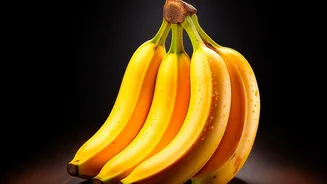
If your perfect papaya is still a bit green, don't worry. You can easily ripen it at home. The simplest method is to leave it at room temperature, out of direct sunlight, for a few days. Check it daily so it doesn't go past its peak. To speed things up, place the papaya in a paper bag and fold the top closed. This traps the natural ethylene gas the fruit releases, accelerating the ripening process. For an even faster result, add an apple or a banana to the bag; these fruits are high ethylene producers and will help ripen the papaya in just a day or two.
Proper Storage for Longer Life
Once your papaya has reached the desired level of ripeness, move it to the refrigerator. This will slow the ripening process and preserve its flavor and texture for up to a week. It's best to store it in the crisper drawer to maintain humidity. If you've already cut the papaya, wrap the remaining fruit tightly in plastic wrap or place it in an airtight container and refrigerate it. Cut papaya should be enjoyed within three to four days for the best quality. For long-term storage, you can freeze cubed papaya for use in smoothies.
A Nutritional Powerhouse
Beyond its delicious taste, papaya is packed with nutritional benefits. It is an excellent source of Vitamin C, which supports the immune system, and is rich in Vitamin A precursors that are good for eye health. The fruit also contains a special digestive enzyme called papain, which helps break down proteins and can aid in digestion. With high fiber and water content, papaya is a great choice for supporting overall digestive regularity and hydration.
Preparing Your Perfect Papaya
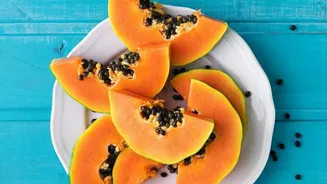
Once it's ripe and ready, preparing a papaya is simple. Wash the outside of the fruit thoroughly. Place it on a cutting board and slice it in half lengthwise. Inside, you'll find a central cavity filled with small, black seeds. These seeds are edible and have a peppery taste, but most people scoop them out with a spoon. From there, you can peel the skin off with a vegetable peeler or simply scoop the flesh out with a spoon. The sweet, orange flesh can be cubed for a fruit salad, blended into a smoothie, or simply enjoyed on its own with a squeeze of lime juice to enhance its flavor.