





The Tip of the Iceberg
A sudden jump in the price of wheat or sunflower oil is an immediate, headline-grabbing consequence of conflict in the Black Sea. It’s a simple story of supply and demand. When ships can't leave ports in Ukraine or Russia, which together account for a massive
share of global grain and oil exports, the world's available supply shrinks, and prices climb. This happened in 2022 and recent escalations in mid-2026 show the pattern repeating. However, focusing only on this initial shock misses the larger, more systemic crisis that unfolds when a critical artery of global trade remains clogged. The temporary pain of higher prices can evolve into a chronic condition affecting everything from food availability to geopolitical stability.
The World's Breadbasket at Risk
Before the conflict, Ukraine and Russia were agricultural powerhouses, supplying roughly a third of the world’s wheat, a quarter of its barley, and about 75% of its sunflower oil. The Black Sea was the primary conduit, with over 90% of Ukraine's agricultural products passing through its ports. The UN-brokered Black Sea Grain Initiative, which ran from mid-2022 to mid-2023, was a testament to the region's importance, allowing nearly 33 million metric tons of food to reach 45 countries and helping to stabilize global food prices. A prolonged disruption means this crucial volume of food is trapped. Ukrainian farmers face overflowing storage and falling domestic prices, while countries in the Middle East and Africa, which depend heavily on these imports, face scarcity.
The Soaring Cost of Just Moving Goods
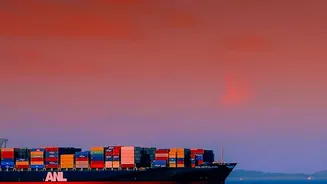
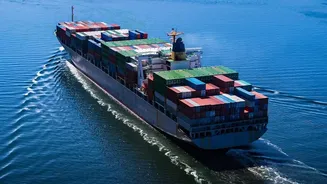
Even when ships can move, they do so at a much higher cost. The most immediate impact is on insurance. Recent attacks on vessels have sent war risk premiums soaring. Insurers may charge as much as 2% of a ship's total value for a single voyage into the region, a cost that is passed directly on to the cargo owner and, eventually, the consumer. Some shipowners, spooked by the danger, refuse to send their vessels into the area at all, creating a de facto blockade even without a physical one. Freight rates have skyrocketed in response, with some routes seeing costs quadruple as the pool of willing carriers shrinks. This makes any goods that do manage to leave the Black Sea significantly more expensive before they even reach their destination.
A Logistical and Humanitarian Nightmare
With sea routes compromised, the search for alternatives creates new bottlenecks. Moving grain by rail or road through neighboring European countries is an option, but this overland infrastructure can only handle a fraction of the volume that ports can manage. This led to protests from farmers in countries like Poland in the past, who were concerned about local markets being flooded with cheaper Ukrainian grain. For humanitarian organizations like the World Food Programme, which relied on Ukrainian grain to feed vulnerable populations, the disruption is catastrophic. It forces them to find more expensive food from other sources, stretching already tight budgets and meaning less aid reaches those in crisis. The domino effect can lead to increased hunger and social unrest in import-dependent nations.
What It Means for India
While India is largely self-sufficient in wheat, it is the world's largest importer of edible oils, including sunflower oil, a significant portion of which comes from the Black Sea region. A long-term disruption directly impacts domestic prices and contributes to food inflation. Furthermore, the crisis has broader economic implications. Instability in global commodity and energy markets affects India's import bills and economic forecasting. The conflict also presents complex diplomatic challenges, as India navigates its relationships with Russia, Ukraine, and Western partners. The Black Sea disruption is a powerful reminder that in a globalized world, a distant conflict can have tangible consequences at home, affecting household budgets and national policy alike.