






What an Inspection Report Actually Means
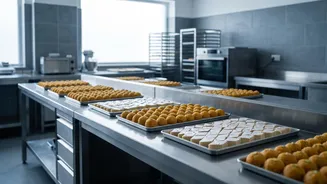
When you see a headline about a facility failing an inspection, it’s easy to imagine the worst. In reality, the U.S. food safety system is a complex net cast by two main agencies: the USDA’s Food Safety and Inspection Service (FSIS) and the Food and Drug
Administration (FDA). Broadly, the USDA oversees meat, poultry, and processed egg products, while the FDA handles most other foods, from seafood to produce to packaged goods. An inspection report is a snapshot in time. Violations can range from "priority" issues that directly contribute to foodborne illness, like improper cooking temperatures, to "core" issues related to general sanitation, like a damaged floor tile. A citation doesn't always mean the food is unsafe, but rather that the facility isn't meeting every single standard. The system is designed to catch these issues, and a long list of minor infractions is very different from a single, critical failure that poses an imminent health risk.
The Real Story Behind a Food Recall
A food recall might sound like a failure of the system, but often, it means the system is working. Many recalls are initiated voluntarily by companies to prevent potential harm. Both the USDA and FDA use a classification system to signal the level of risk. A Class I recall is the most serious, indicating a reasonable probability that consuming the product could cause serious health problems or death. A Class II recall involves a remote probability of adverse health consequences. A Class III recall is for situations where the product violates a regulation but is unlikely to cause any harm, such as a minor labeling error. Understanding this context is key. A Class III recall on your favorite snack brand is a world away from a Class I recall for a pathogen like E. coli in romaine lettuce.
The Biggest Risk May Be in Your Kitchen
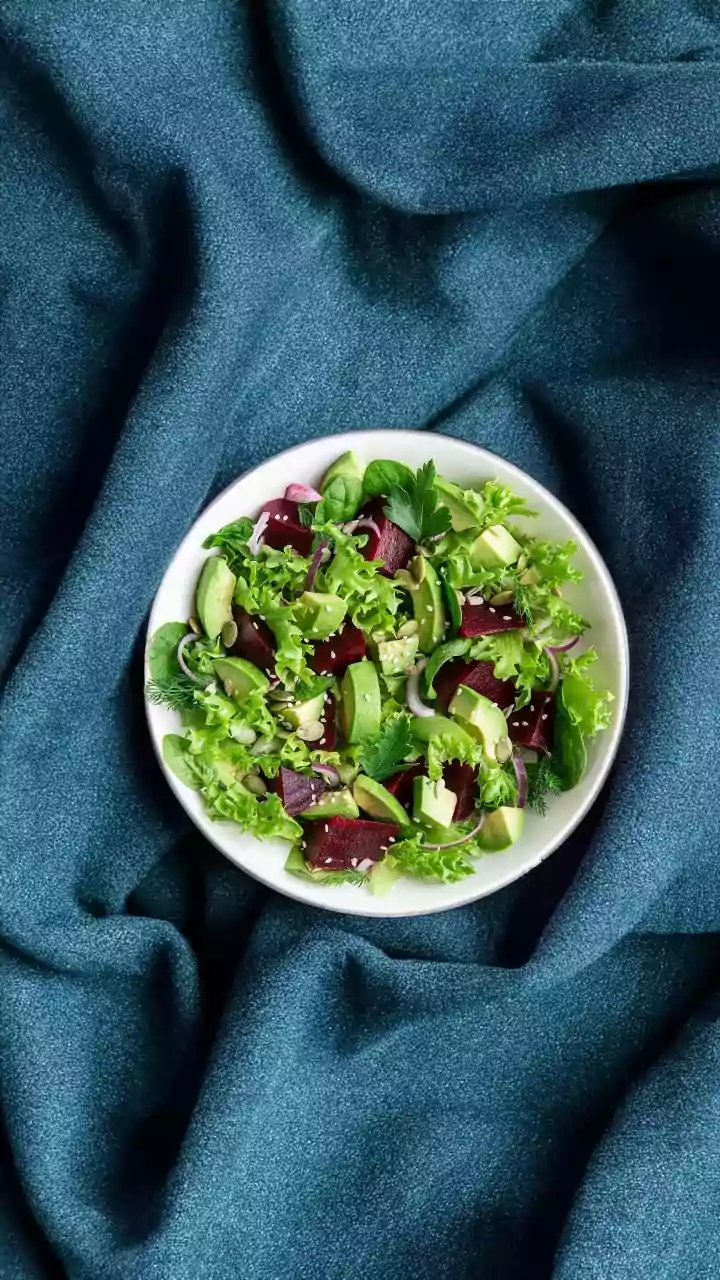
While industrial-scale food production carries risks, a surprising number of foodborne illnesses start at home. The CDC notes that outbreaks of certain bacteria often spike in November and December, coinciding with holiday gatherings where large meals are prepared and served over many hours. Common mistakes include not cooking meats to a safe internal temperature, letting perishable foods sit in the bacterial “danger zone” (between 40°F and 140°F) for too long, and cross-contamination. Cross-contamination happens when germs spread from raw foods, like poultry, to ready-to-eat items, like salad ingredients, via unwashed hands, cutting boards, or utensils. This holiday season, the most impactful food safety measures you take might be the ones in your own home.
Smart Steps for a Safe Holiday Feast
Empowering yourself with food safety knowledge is the best defense against foodborne illness. Focus on four key principles: Clean, Separate, Cook, and Chill. First, wash your hands, surfaces, and utensils often with soap and water, especially after handling raw meat. Second, use separate cutting boards and plates for raw and cooked foods to prevent cross-contamination. Third, and most critically, use a food thermometer. Color is not a reliable indicator of doneness. Turkey, for instance, must reach an internal temperature of 165°F to be safe. Stuffing cooked inside the bird is also a risk and should be cooked separately or ensured it also reaches 165°F. Finally, chill leftovers promptly. Don't leave food at room temperature for more than two hours. Divide large batches into smaller containers to cool down faster in the refrigerator.