



An Insurance Crop for a Changing Planet
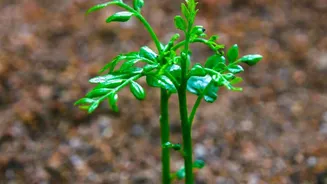
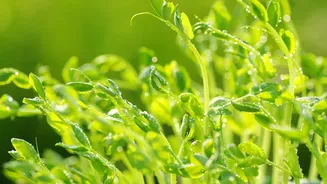
Known scientifically as Lathyrus sativus, the grass pea is a remarkable survivor. It's often called an 'insurance crop' because it produces reliable yields when other crops fail due to extreme weather. This hardy legume is exceptionally tolerant of both
drought and waterlogging, making it perfectly suited for the unpredictable weather patterns that are becoming more common. Its deep, tough root system can penetrate heavy clay soils and it requires minimal inputs like fertilizer. As a nitrogen-fixing plant, it naturally enriches the soil, reducing the need for chemical fertilizers and improving conditions for subsequent crops in a rotation.
A Forgotten Protein Powerhouse
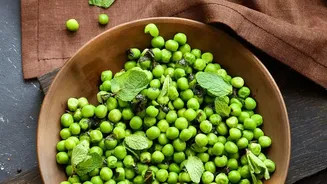
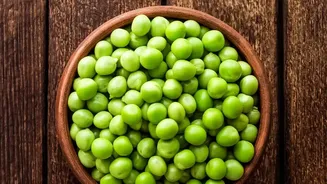
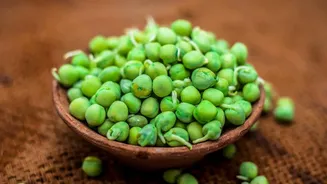
On the nutrition front, grass pea is a champion. Its seeds boast a protein content of around 26-33%, which is significantly higher than that of many other common legumes like chickpeas. This makes it an excellent plant-based protein source, particularly in regions where access to diverse foods is limited. Beyond protein, it is also a good source of fibre, starch, and essential vitamins and minerals, including B vitamins and potassium. In many parts of South Asia and East Africa, it has traditionally been used to make dal, flour, and other staple dishes.
The Historical Hurdle: A Neurotoxin
For all its benefits, the grass pea has a complicated past due to a neurotoxin called ODAP (β-N-oxalyl-L-α,β-diaminopropionic acid). When consumed in large quantities as a primary food source for several months, especially during times of famine when other foods are scarce, ODAP can cause a permanent paralytic condition known as neurolathyrism. This risk has historically stigmatized the crop, leading to cultivation bans in some areas and relegating it to the status of an 'orphan crop'—one that is important regionally but neglected by mainstream research.
A Modern-Day Revival Through Science
The story of the grass pea is now entering a new, safer chapter. Scientists and plant breeders have made tremendous progress in developing new varieties with very low levels of the ODAP toxin. Collaborative international efforts have successfully created high-yielding cultivars where the toxin content is reduced to less than 0.1%, a level considered safe for consumption. For instance, varieties like 'Prateek', 'Ratan', and 'Mahateora' have been developed in India. Researchers are also using modern techniques like gene editing and crossing grass pea with its wild relatives, which are naturally low in ODAP, to develop completely toxin-free varieties. Simple processing methods, like soaking the seeds in water before cooking, can also significantly reduce the toxin levels.
Putting Grass Pea Back on the Plate
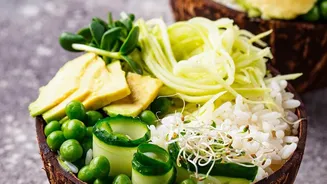
With its climate resilience and high protein content, and with the neurotoxin issue now largely addressed through science, the grass pea is ready to be embraced. For farmers, it represents a low-risk, low-input crop that can thrive in marginal lands where other pulses struggle. For consumers, it offers a nutritious and affordable protein source that contributes to a more sustainable food system. As awareness grows and safe, improved varieties become more widely available, this ancient survivor has the potential to move from a famine food to a future-fit food, playing a key role in ensuring nutritional security in India and beyond.