


As married women prepare for Karwa Chauth on October 29, 2026, the pre-dawn meal, or Sargi, becomes crucial. This cherished tradition is not just symbolic; it's the nutritional foundation for a day-long fast.
The Tradition Behind the Thali
Sargi is more than just a meal; it's a ritual
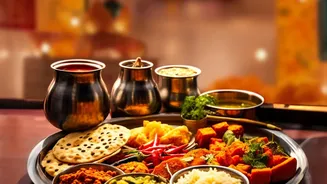
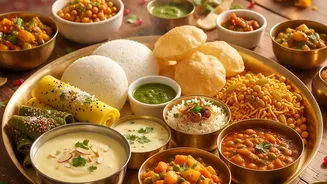
steeped in love and care. Traditionally, this thali is prepared by a mother-in-law for her daughter-in-law, symbolising blessings for the day-long 'nirjala' fast (a fast without food or water). Eaten before sunrise, it includes an assortment of foods meant to provide sustenance and energy until the moon is sighted in the evening. The thali often carries symbolic items: sweets for sweetness in the relationship, fruits for energy, and dry fruits for prosperity and abundance. This act of preparing and sharing Sargi strengthens the bond between family members and reinforces a sense of community and shared tradition.
What's in a Traditional Sargi?
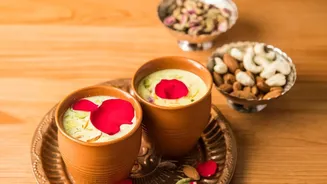
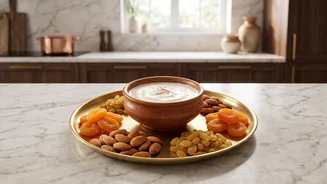
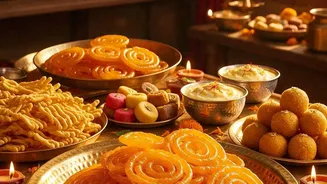
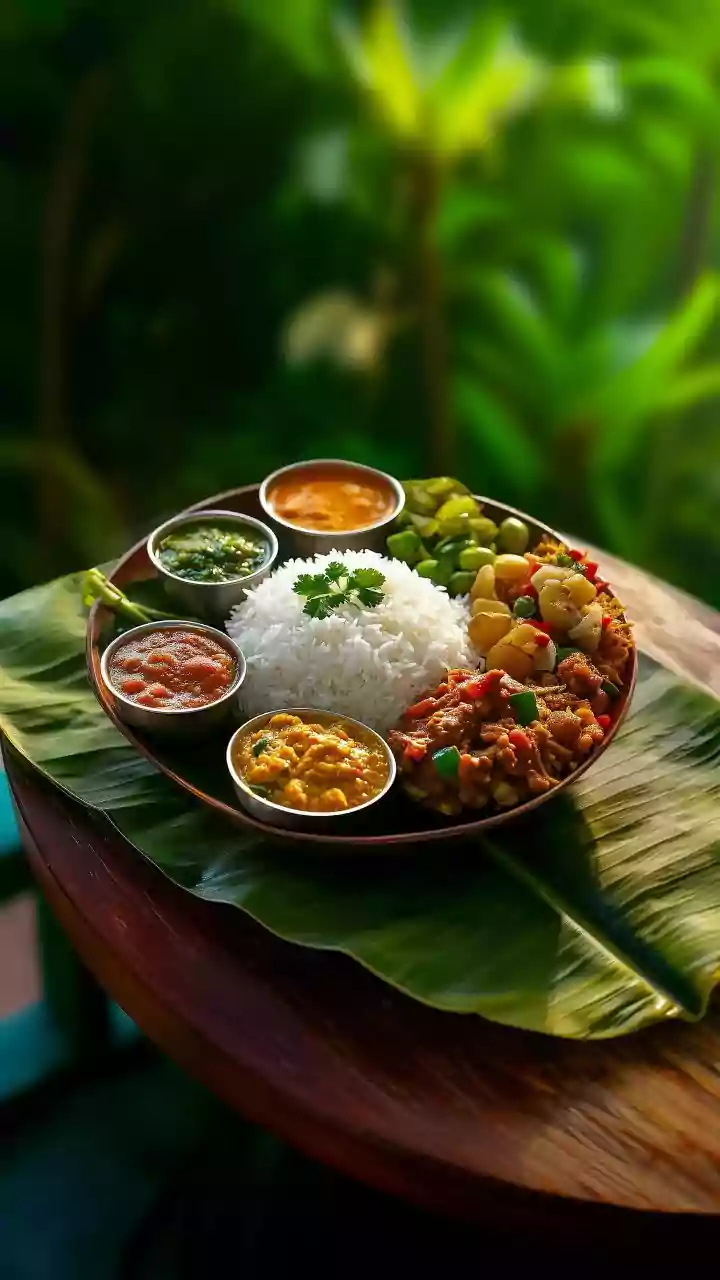
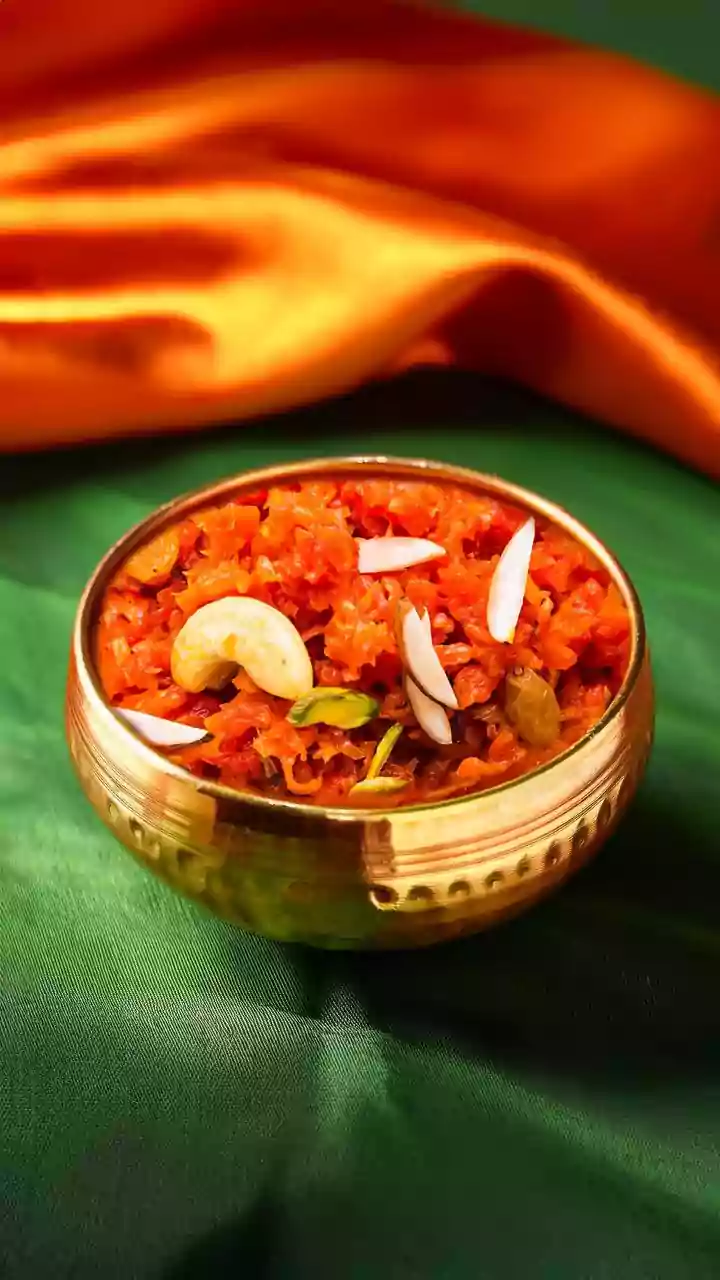
A classic Sargi thali is a colourful and diverse platter. Common items include pheni or seviyan (a vermicelli pudding), often cooked in milk. It's accompanied by fresh, seasonal fruits like bananas, pomegranates, and apples, which provide natural sugars and fibre. A handful of dry fruits and nuts, such as almonds, walnuts, and dates, are included for their high energy content. To balance the sweet, a savoury element like mathri (a crisp, flaky biscuit) or a simple paratha might be added. These items are chosen not just for taste but for their perceived ability to keep a person feeling full and sustained.
A Modern Nutritional Approach
While tradition is the heart of Sargi, modern nutritional science can make the fast healthier and more comfortable. The goal of this pre-fast meal is to ensure sustained energy release and maintain hydration. A poorly planned Sargi, heavy on fried foods, excessive salt, or refined sugar, can lead to dehydration, acidity, headaches, and energy crashes by midday. The key is to build a balanced plate that includes complex carbohydrates, protein, healthy fats, and fibre. This combination helps regulate blood sugar, preventing the sharp dips in energy that can make the fast challenging.
Building a Healthy Sargi for 2026
For Karwa Chauth 2026, consider making a few thoughtful swaps to enhance your Sargi. Instead of deep-fried puris, opt for a whole wheat paratha stuffed with paneer or vegetables. This provides complex carbs and protein for slow burning energy. Include a bowl of curd, which is a great source of protein and helps prevent acidity. A small bowl of seviyan or pheni is traditional, but try making it with less sugar or using a natural sweetener like jaggery. Adding soaked chia seeds to your curd or water can also help with hydration throughout the day. The focus should be on creating a meal that nourishes, not just fills.
Foods to Prioritise for Sustained Energy
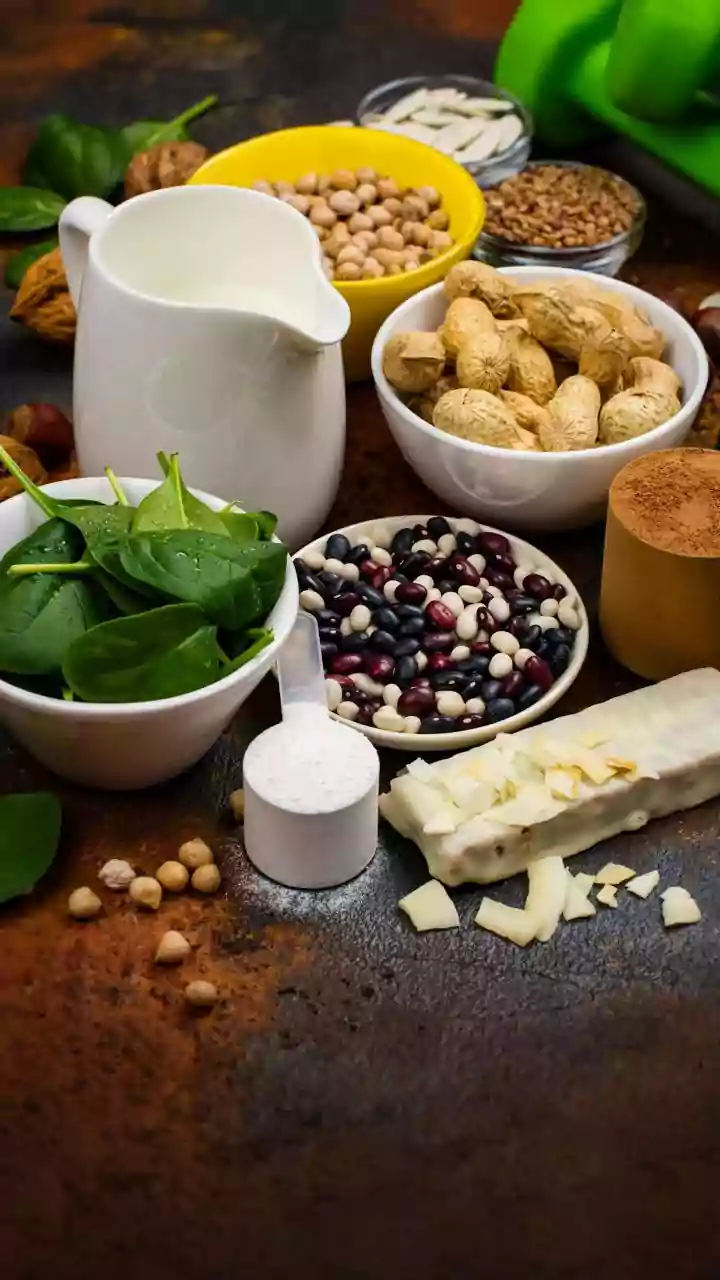
To stay energised, focus on nutrient dense foods. A handful of soaked almonds and walnuts provide healthy fats and will keep you feeling full longer. Fruits with high water content, like watermelon, oranges, or muskmelon, are excellent for hydration. For protein, paneer, curd, or a moong dal cheela are fantastic choices. Complex carbohydrates from oats or whole wheat roti release energy gradually. Drinking coconut water or a glass of milk before sunrise can also help maintain electrolyte balance and hydration.
What to Limit or Avoid in Your Meal
Just as important as what you eat is what you avoid. Steer clear of very oily or deep fried foods, as they can feel heavy and cause sluggishness. Excessively salty foods like pickles or some namkeens should be limited, as they can increase thirst during a waterless fast. While sweets are part of the tradition, too much refined sugar can cause a quick energy spike followed by a crash. It's also wise to avoid or limit caffeinated beverages like tea and coffee, which can be dehydrating.