






The Unseen Damage to Your Skin
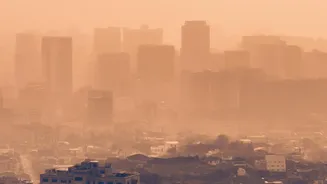
The haze that settles over the city is more than just an eyesore; it’s a cocktail of harmful pollutants, with fine particulate matter (PM2.5) being a primary concern. These microscopic particles are small enough to infiltrate pores and compromise the skin’s
natural barrier. This triggers oxidative stress, a process that generates unstable molecules called free radicals. These free radicals attack healthy skin cells, breaking down collagen and elastin, which leads to premature aging, including fine lines and wrinkles. Furthermore, this constant environmental assault can cause inflammation, disrupt the skin's delicate microbiome, and exacerbate conditions like acne, eczema, and psoriasis.
Signs of Pollution-Stressed Skin
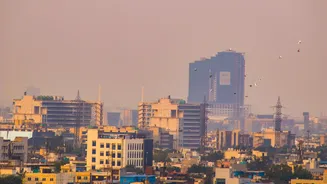
The effects of pollution aren't always dramatic or immediate, often showing up as persistent issues you might mistake for something else. Common signs include a noticeable dullness or lack of radiance, increased dryness and sensitivity, and a rise in blackheads or acne flare-ups as pollutants clog pores. Many people also report an increase in dark spots and uneven skin tone, a condition known as hyperpigmentation, which can be triggered by the inflammatory response to pollutants. During Delhi's winters, the combination of low humidity, cold winds, and high pollution levels creates a perfect storm that weakens the skin barrier, making these symptoms even more pronounced.
Your First Line of Defence: Cleansing
Removing the day's accumulation of grime is the most critical step in any anti-pollution skincare routine. Because pollutants are so fine, a single wash might not be enough. Many dermatologists recommend 'double cleansing' in the evening. This involves first using an oil-based cleanser or micellar water to dissolve makeup, sunscreen, and the oily grime that traps pollutant particles. Follow this with a gentle, water-based cleanser to wash everything away without stripping the skin of its essential moisture. This ensures your skin is truly clean and ready to absorb the protective products that follow.
Build a Stronger Barrier with Antioxidants
Since pollution damages skin primarily through oxidative stress, antioxidants are your best friend. These ingredients work by neutralizing free radicals before they can cause harm. Look for serums and moisturizers containing potent antioxidants. Vitamin C is a powerhouse, known for its ability to brighten skin and fight free radical damage. Vitamin E helps protect the skin's lipid barrier, while Niacinamide (Vitamin B3) strengthens the barrier, reduces redness, and can help with pigmentation. Applying an antioxidant serum every morning provides a protective shield for the day ahead.
Moisturise and Shield with Sunscreen
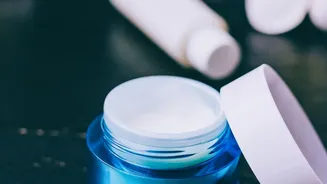
A strong, healthy skin barrier is less permeable to pollutants. A good moisturiser is key to maintaining this barrier, especially one with ingredients like ceramides and hyaluronic acid, which help lock in hydration and reinforce the skin's structure. Finally, don't skip sunscreen, even on hazy, overcast days. UV radiation exacerbates the damage caused by pollution. Sunscreen provides a physical shield on top of your skin, acting as an additional layer of defence against both UV rays and particulate matter settling into your pores. Opt for a broad-spectrum formula with at least SPF 30.