


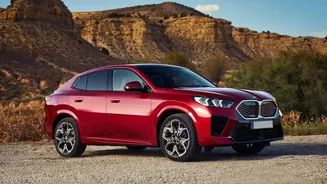

A Strategy of Aggressive Growth
BMW Group India is shifting gears, moving from a strategy of steady growth to one of aggressive market dominance. With strong sales performance in the first half of 2026, the company is doubling down on what it sees as a pivotal moment for the Indian
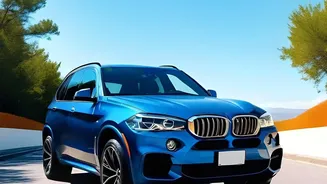
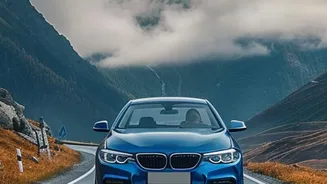
luxury market. The plan is not just about selling more cars; it's a comprehensive push designed to solidify its position at the top. This involves an unprecedented number of product actions, with reports suggesting as many as six all-new models and over 20 updates planned for 2026 alone. This aggressive product pipeline is a clear signal of BMW's intent to keep its portfolio fresh, generate excitement, and attract a new generation of Indian luxury buyers. The company is betting big on India's economic trajectory, aiming to elevate India into its top 15 global markets by 2030.
The Electric Offensive
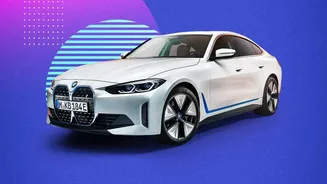
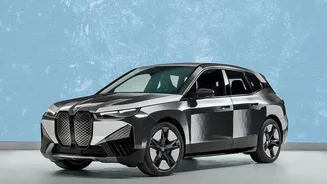
A cornerstone of BMW's India strategy is its powerful electric vehicle (EV) push. While competitors are also entering the EV space, BMW is positioning itself as the leader in the premium segment, with EVs emerging as a significant growth driver. The company already boasts the largest portfolio of luxury EVs in the country and has an aggressive roadmap for future launches. This focus is not just about global trends; it is a direct response to growing consumer interest and a supportive policy environment in India. The strategy includes not just a variety of models catering to different price points within the luxury space, but also initiatives like an assured buyback program to ease customer concerns about resale value and technology obsolescence. This makes the transition to electric mobility more attractive for premium buyers.
Redefining the Luxury Experience
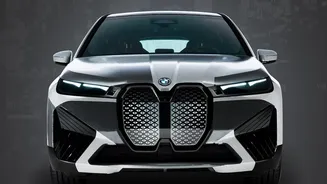
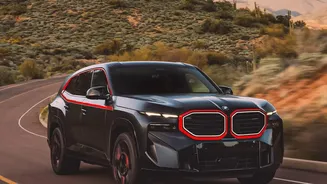
Beyond the engine, BMW is heavily investing in the top-tier luxury segment—what it calls the 'Luxury Class'. This includes flagship models like the 7 Series, i7, X7, and the XM. The focus here is on the ultimate expression of comfort, technology, and performance, catering to a growing class of high-net-worth individuals who demand exclusivity and personalization. The popularity of long-wheelbase versions, tailored for the Indian market's preference for chauffeur-driven comfort, underscores this trend. By offering a wider range of its most exclusive and high-performance models, BMW is directly targeting the most profitable and influential segment of the car market, reinforcing its premium credentials.
Reimagining the Showroom
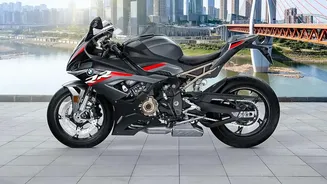
The push extends from the cars themselves to the way they are sold. BMW is rolling out its new 'Retail.NEXT' concept across India. This initiative transforms the traditional car showroom into an immersive brand experience, more akin to a luxury boutique hotel than a sales floor. With a joint investment of over INR 365 crore, these new outlets feature a 'phygital' approach, blending physical and digital innovations. The design philosophy features open, lounge-like atmospheres, a central BMW Bar & Lounge, fewer cars on display to reduce clutter, and digital tools for vehicle configuration and exploration. The goal is to make the customer journey seamless and centred on hospitality, allowing customers to experience the BMW, MINI, and BMW Motorrad brands all under one roof.
Expanding the Footprint
To support this ambitious strategy, BMW is significantly expanding its physical presence, especially in Tier-II and Tier-III cities. The company has announced plans to double its dealership network, opening numerous new outlets across the country by the end of 2026. This expansion into cities like Lucknow, Jaipur, and Ranchi is crucial for tapping into new pockets of wealth and aspiration. By making the brand more accessible to a wider geographic audience, BMW is ensuring that its push for market leadership is not confined to the traditional metro cities. This wider network will be essential for both sales and providing the premium service experience that luxury car owners expect, forming the backbone of its long-term growth plan in India.