


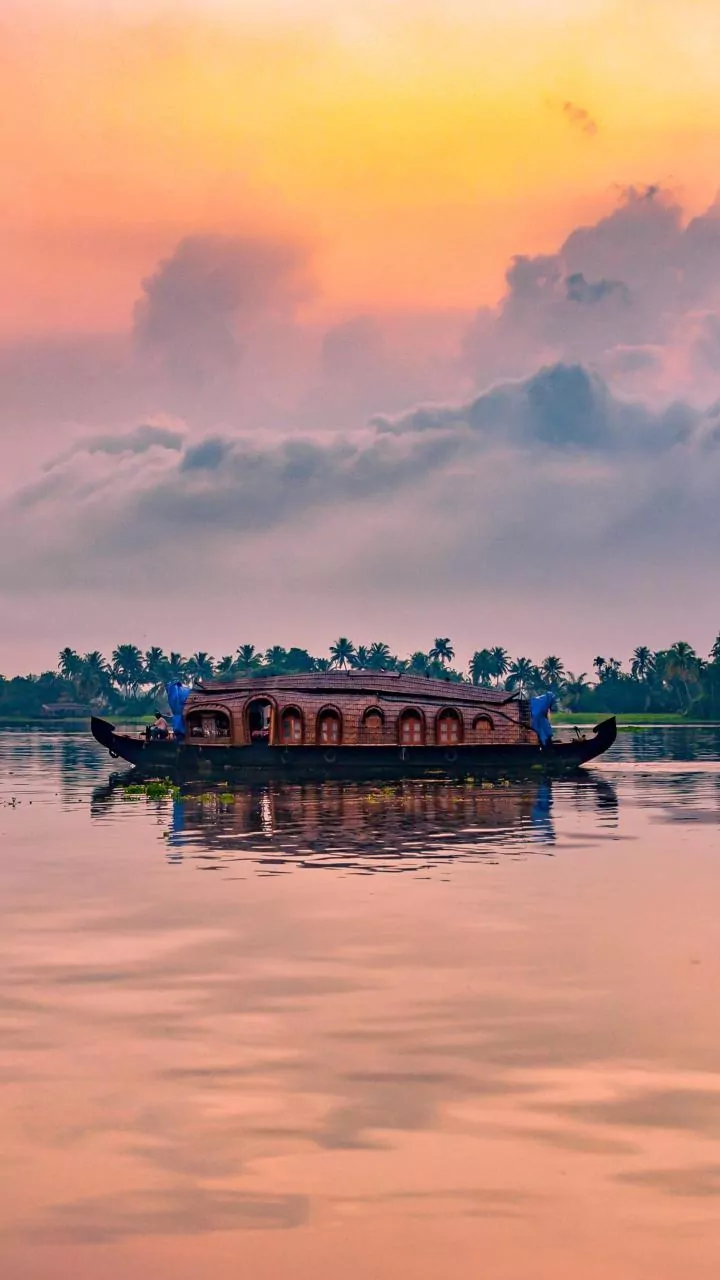
Beyond 'God's Own Country'
The phrase 'God's Own Country' has been a masterful marketing stroke for Kerala, but the state's most enduring tourism legacy might be its Responsible Tourism (RT) Mission. Launched in 2017 after a successful decade-long pilot phase, the mission formalised
a simple but powerful idea: tourism should directly benefit local communities while preserving the natural and cultural heritage that visitors come to see. It’s an approach that moves beyond generic eco-tourism to create a structured system where economic, social, and environmental responsibilities are intertwined. The model was designed to connect tourism businesses with local producers, artisans, and farmers, ensuring that the revenue generated by visitors stays within the villages and communities.
A People-Powered Model
The core of Kerala's success lies in its deep community integration. The RT Mission isn't about creating isolated tourist bubbles; it's about embedding the visitor experience within the local way of life. This is achieved through thousands of community-led initiatives, from homestays that offer an authentic glimpse into Keralan households to village life experience tours guided by residents themselves. Women's empowerment is a key pillar, with the mission actively supporting women-led enterprises in catering, craft production, and tour guiding, often in partnership with organisations like UN Women. This approach has provided sustainable livelihoods for tens of thousands of people, turning them from passive recipients of tourism benefits into active stakeholders in its success. Programmes link farmers and fisherfolk directly with hotels for produce, and performance troupes find new audiences, creating a thriving, circular local economy.
Global Recognition Follows
The world has taken notice. Kerala's RT Mission has been consistently lauded on the global stage, cementing its place on the editorial radar. In recent years, it has won a string of prestigious Global Responsible Tourism Awards. One award recognised its success in linking women-led enterprises to the tourism supply chain for local sourcing of crafts and food. Another celebrated the 'Water STREET' project in Maravanthuruthu, which rejuvenated local waterways and demonstrated how tourism can be a tool for water conservation. Beyond awards, the UN World Tourism Organisation (UNWTO) has featured the RT Mission as a case study for its alignment with the UN's Sustainable Development Goals, praising its innovative approach to grassroots development. This consistent international acclaim validates the model and inspires other destinations worldwide.
The Blueprint for Modern Travel
The principles behind Kerala's model are becoming increasingly relevant in a world grappling with overtourism and the demand for more meaningful travel. The focus is on creating authentic connections, whether through a traditional cooking session, a canoe tour managed by villagers, or a visit to a local artisan's workshop. This framework has proven resilient and adaptable. For example, the STREET (Sustainable, Tangible, Responsible, Experiential, Ethnic, Tourism) initiative is one of the latest iterations, focusing on developing theme-based streets in villages to highlight local culture and products. By turning villages into experiential destinations, Kerala ensures that tourism development is distributed and inclusive, preventing the overcrowding that plagues many popular hotspots.