





More Than Just Decoration
Swapping framed art for a fabric wall hanging does more than just fill a space; it transforms the entire feel of a room. Textiles introduce a softness and warmth that flat surfaces like paint simply cannot replicate. The weave, embroidery, and material
presence of a vintage piece add tangible depth and dimension, drawing the eye and inviting touch. Beyond their visual appeal, these pieces serve a practical purpose by improving a room's acoustics. Fabric naturally absorbs sound, which can reduce echo in large rooms or spaces with high ceilings, creating a quieter and more serene environment. Each vintage textile also carries a history. Whether it's a tribal pattern, a delicate embroidery, or a bold weave, the fabric tells a story of its origin, its maker, and its journey, embedding a layer of unique character into your home.
A World of Woven Stories
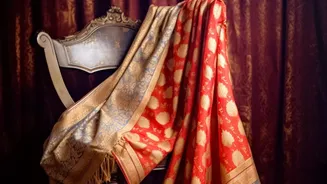
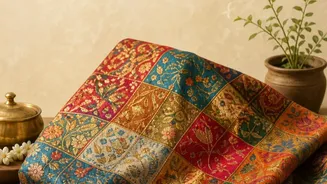
The term 'vintage textile' covers a vast and beautiful array of options, many of which come from India's rich textile heritage. Kantha quilts from Bengal, for instance, are crafted from old saris stitched together, turning discarded fabrics into stunning, sustainable works of art perfect for a wall hanging. Suzani tapestries from Central Asia are another popular choice, known for their intricate floral and sun motifs embroidered on cotton or silk. You might also consider Phulkari from Punjab, with its vibrant floral embroidery, or the deep indigo hues and geometric patterns of Ajrakh block prints from Gujarat and Sindh. Even antique rugs, shawls, or beautifully preserved sections of a vintage sari can be repurposed as magnificent wall decor. Each type offers a distinct aesthetic, from rustic and bohemian to refined and elegant, allowing you to find a piece that truly speaks to your personal style.
How to Source Your Perfect Piece
Finding the right vintage textile is a treasure hunt. Online marketplaces like Etsy and Chairish are excellent starting points, offering a vast selection from sellers around the world. Specialised online stores focusing on antique and vintage fabrics also provide curated collections. For a more hands-on experience, explore local antique shops, flea markets, and estate sales. These places often hold hidden gems with incredible stories. When buying, inspect the fabric's condition carefully. Look for signs of significant wear, stains, or fragility. While minor imperfections are part of a vintage piece's charm, ensure it's structurally sound enough for display. Don't be afraid to ask the seller about the textile's origin and history; knowing its background story makes the piece even more special.
Creative Ways to Display Your Textile
Once you have your textile, displaying it securely and beautifully is the final step. The best method depends on the fabric's weight and condition. For lighter pieces, adhesive strips or small clips can work well without damaging the fabric. A popular and sturdy method for larger textiles like quilts or tapestries is to use a dowel or curtain rod. You can sew a simple fabric sleeve onto the back of the textile, slide the rod through, and then mount the rod on brackets. This distributes the weight evenly and creates a clean, professional look. For very delicate or valuable pieces, consider professional framing using UV-filtering acrylic to protect it from damage. Another option is to mount the textile on a fabric-covered support board using Velcro, which provides excellent support for heavy or fragile fabrics.
Caring for Your Vintage Fabric
To ensure your textile remains a beautiful part of your home for years to come, proper care is crucial. The biggest threat to antique fabrics is light. Both direct sunlight and strong artificial light can cause irreversible fading and make fibres brittle. Display your textile in an area away from direct sun, like a hallway or a wall that doesn't receive harsh light. Dust can also accumulate and dull the fabric, so gently vacuum it with a low-suction handheld vacuum covered with a piece of mesh. Avoid cleaning old textiles unless absolutely necessary. If cleaning is required for a sturdy fabric like cotton, gentle hand-washing with a pH-neutral soap is best, but for anything delicate or valuable, consult a professional textile conservator. Finally, handle the textile as little as possible and always with clean hands to prevent oils from staining the fabric.