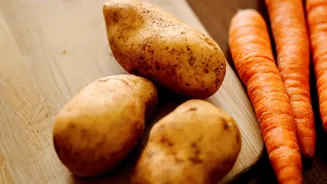



The humble potato is a culinary chameleon, but its true potential is unlocked by a secret partnership: the dynamic duo of texture and acid. Understanding this relationship can elevate your potato dishes from merely good to truly memorable.
The Potato's Textural Transformation
A potato's texture
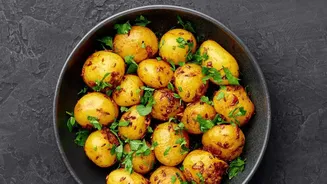
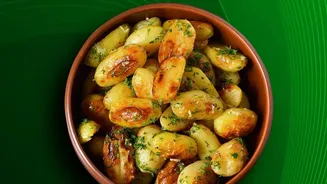
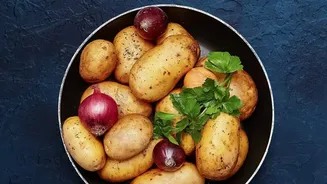
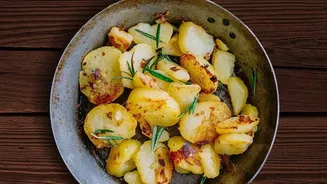
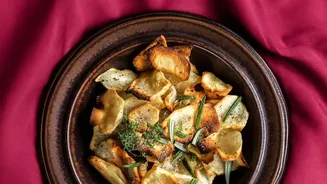
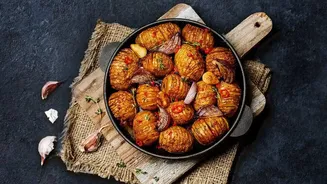
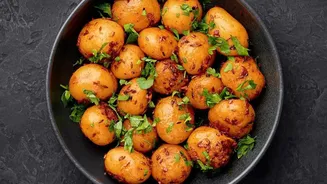
is not one-size-fits-all; it’s a direct result of how you cook it. The key lies in its starch and moisture content. When you boil a potato, especially a waxy variety like a red potato, it absorbs moisture. This cooking method is relatively gentle, helping the potato hold its shape, resulting in a dense, creamy bite perfect for potato salads. Frying, on the other hand, is a process of dehydration. The high heat of the oil forces moisture out, creating a crispy, golden-brown exterior while the inside becomes soft and fluffy. This contrast is what makes French fries so universally loved. Roasting offers the best of both worlds. The dry heat of the oven creates a browned, flavourful crust while the interior steams, yielding a texture that’s simultaneously crisp and tender. Each method fundamentally alters the potato's structure, setting a different stage for the sauce you choose to pair with it.
The Science of Acidity and Richness
Richness in food often comes from fats, starches, or heavy proteins. While delicious, these elements can coat the palate, leading to a feeling of heaviness or what chefs call a one-note flavour profile. This is where acid comes in. Acidity, one of the five basic tastes, acts as a culinary reset button. It cuts through fat and starch, cleansing your palate and making each bite feel as vibrant as the first. Think of how a squeeze of lemon brightens up fried fish or how tangy pickles lift a rich, fatty sandwich. The acid provides a necessary contrast that prevents the dish from feeling overwhelming. It doesn't just add a sour taste; it enhances and balances all the other flavours on the plate, making the entire dish feel lighter and more complex.
Acid's Effect on Potato Texture
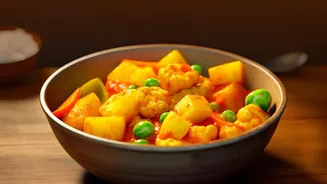
Acid doesn't just affect flavour; it also has a physical impact on the potato itself. The cell walls of vegetables are fortified by compounds called hemicellulose and pectin. In an acidic environment, these cell walls become stronger, which means the vegetable softens much more slowly. This is why adding potatoes to a highly acidic dish like a tomato-based stew can result in stubbornly firm or even crunchy potatoes, no matter how long you cook them. To get around this, it's often best to cook the potatoes separately in salted water before adding them to an acidic sauce. This allows the starches to properly gelatinize and the potato to become tender. Once cooked, the acid in the sauce will then help the potato pieces keep their shape, preventing them from dissolving completely.
Perfect Pairings: Matching Sauce to Method
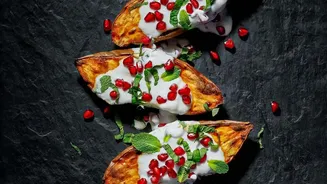
The magic happens when you pair the right acidic sauce with the right potato texture. For boiled potatoes, which are dense and hold their shape, a vibrant, vinegar-based dressing like a classic vinaigrette is an excellent choice. The acid clings to the potato's surface, balancing its earthy flavour without turning it to mush. For crispy, golden fries, a creamy yet tangy dip is ideal. Think of a classic fry sauce, which combines mayonnaise with ketchup and other tangy ingredients like pickle relish. Another great option is a sour cream-based dip mixed with barbecue sauce. For a fluffy baked potato, a dollop of sour cream or a yogurt-based herb sauce provides both creaminess and a tangy lift. Roasted potatoes, with their crispy edges and creamy centers, are versatile. They pair beautifully with a sharp and herbaceous chimichurri or a zesty lemon-garlic butter sauce.