







Why Quality Over Quantity Is Essential
Wegovy, known scientifically as semaglutide, works by mimicking a hormone that signals fullness to the brain and slows down how quickly your stomach empties. This leads to a naturally reduced appetite and smaller meal sizes. While this is the intended
effect for weight loss, it creates a new challenge: getting all the essential nutrients your body needs from less food. When you're eating significantly less, you can’t afford to fill up on empty calories. Every meal becomes a crucial opportunity to fuel your body correctly, making nutrient-dense foods your top priority to avoid fatigue and other issues.
Make Protein Your Top Priority
When you're in a calorie deficit, your body can break down muscle for energy along with fat. Adequate protein is what helps prevent this muscle loss. Experts recommend aiming for 60 to 100 grams of protein daily, and some suggest even more, depending on your body weight and activity level. A practical approach is to include a source of protein with every single meal and snack. Think lean meats like chicken and fish, eggs, Greek yogurt, cottage cheese, tofu, and legumes. A simple habit to build is eating the protein on your plate first. This ensures you get the most important nutrient in before you start to feel full.
Embrace Nutrient-Dense Foods
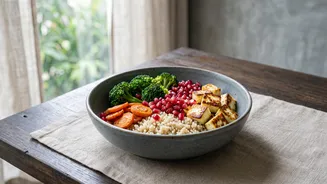
Nutrient density is your new best friend. This concept means choosing foods packed with vitamins, minerals, and fiber relative to their calorie count. Instead of a bag of chips, think of a handful of nuts or an apple with peanut butter. A well-balanced plate on Wegovy might look like this: half your plate filled with non-starchy vegetables, a quarter with lean protein, and a quarter with fiber-rich carbohydrates. Non-starchy vegetables like leafy greens, bell peppers, and broccoli are low in calories but high in nutrients and fiber, which also helps with feeling full and can prevent constipation, a common side effect. For carbohydrates, opt for whole grains like brown rice, quinoa, and oats, which provide sustained energy.
Smart Strategies for Mealtime
Rethinking your meal structure can make a huge difference. Instead of three large meals, many people find that five or six smaller, nutrient-rich meals throughout the day are easier to manage and help maintain stable energy levels. Planning your meals can also help you stay on track and ensure you're hitting your nutritional goals. If solid food feels unappealing, especially on days with very low appetite, don't be afraid to turn to liquids. A smoothie made with protein powder, fruit, and a source of healthy fat like avocado or nut butter can be an easy-to-consume meal replacement. Also, pay attention to hydration. Staying well-hydrated is crucial, so aim to drink plenty of water throughout the day, but try to avoid filling up on liquids right before a meal.
Foods to Limit for a Better Experience
While no food is strictly off-limits, some can worsen common side effects like nausea and bloating. Highly processed foods, sugary drinks, and meals high in saturated or fried fats are common culprits. These foods offer little nutritional value and can slow digestion even further, leading to discomfort. Many users find that limiting greasy or very rich foods helps them feel better day-to-day. By focusing on lighter cooking methods like baking, grilling, or steaming, you can enjoy flavorful food that supports your health goals without triggering unwanted symptoms.