







A Growing Appetite Meets Harsh Realities
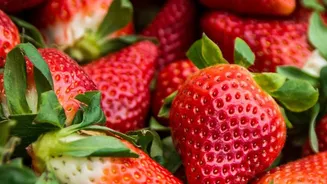
For decades, the heartland of India's strawberry production has been the Mahabaleshwar-Panchgani belt in Maharashtra, which accounts for about 85% of the country's total output. The region's cool climate and red soil provided the perfect conditions for a fruit
that is notoriously sensitive to its environment. However, the delicate balance that made this region a strawberry capital is now under threat. Farmers are grappling with erratic weather patterns, from delayed winters and unseasonal rains to soaring temperatures. In recent seasons, yields have plummeted by as much as 40-50% due to unusually mild winters and early-onset heatwaves that scorch flowers and cause fruit to ripen prematurely. These climate disruptions not only shrink the harvest but also compromise fruit quality, leading to smaller, less juicy berries and significant financial losses for growers.
The Climate Conundrum
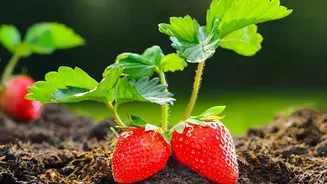
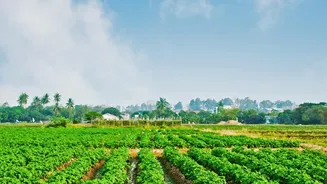
Strawberries are a delicate crop, thriving in a narrow temperature band, ideally between 15°C and 25°C. Climate change is throwing this model into disarray. Extreme heat stresses the plants, leading to sunburn spots on the fruit and halting the development of new blooms. Conversely, sharp drops in night temperature can push plants into dormancy, drastically reducing output. Unseasonal rainfall during the peak growing season is another major issue, as it can ruin an entire crop by promoting fungal diseases and rot. This unpredictability has made traditional open-field farming an increasingly high-risk gamble, forcing farmers to confront a future where the weather is no longer a reliable partner.
Farming Inside the Box
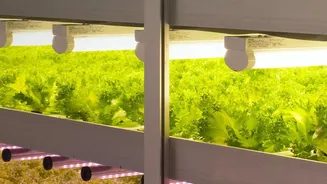
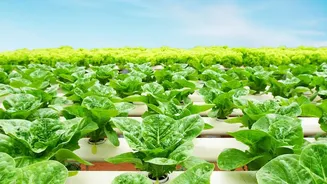
In response to these challenges, a new wave of agricultural innovation is taking root. Farmers with the resources to invest are turning to protected cultivation methods to de-risk their operations from the climate. Hydroponics, a method of growing plants without soil, is gaining traction. By cultivating strawberries in controlled environments like polyhouses or vertical towers, growers can manage temperature, water, and nutrients with precision. This not only shields the crop from erratic weather but can also boost productivity. Vertical farming, for instance, allows growers to stack plants in layers, potentially multiplying the yield fivefold on the same patch of land. These technologies offer a glimpse into a more resilient future for strawberry cultivation, though they come with high upfront costs.
New Frontiers and Smarter Seeds
The quest for climate resilience is also redrawing the map of strawberry cultivation in India. The fruit is now being grown in non-traditional areas, including parts of Uttar Pradesh, Haryana, and the northeastern states. This expansion is partly driven by the search for more stable climatic conditions and the adoption of hardier plant varieties. Currently, Indian farmers rely heavily on imported cultivars from the US and Europe, which are not always suited to local conditions. Recognizing this vulnerability, Indian agricultural research institutions are working to develop indigenous, climate-resilient strawberry varieties. The goal is to create plants that can tolerate higher temperatures and are better adapted to India’s diverse agro-climatic zones, securing the industry's future from the ground up.
The Price of a Secure Harvest
While technology and innovation offer a promising path forward, the transition to climate-smart agriculture is not without its hurdles. The high cost of setting up hydroponic systems or polyhouses is a major barrier for the smallholder farmers who form the backbone of Indian agriculture. Furthermore, these advanced systems require new skills and knowledge to manage effectively. Government initiatives like the National Mission for Sustainable Agriculture and the National Innovations in Climate Resilient Agriculture are in place to support this transition, but wider adoption will require sustained financial support, better access to credit, and robust training programs. Without these, the risk is that the resilience gap between large, well-funded farms and small growers will continue to widen.