




A Global Crisis with Local Impact
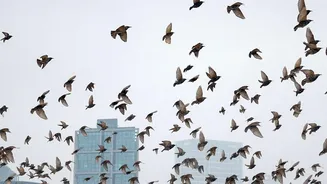
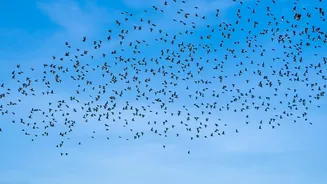
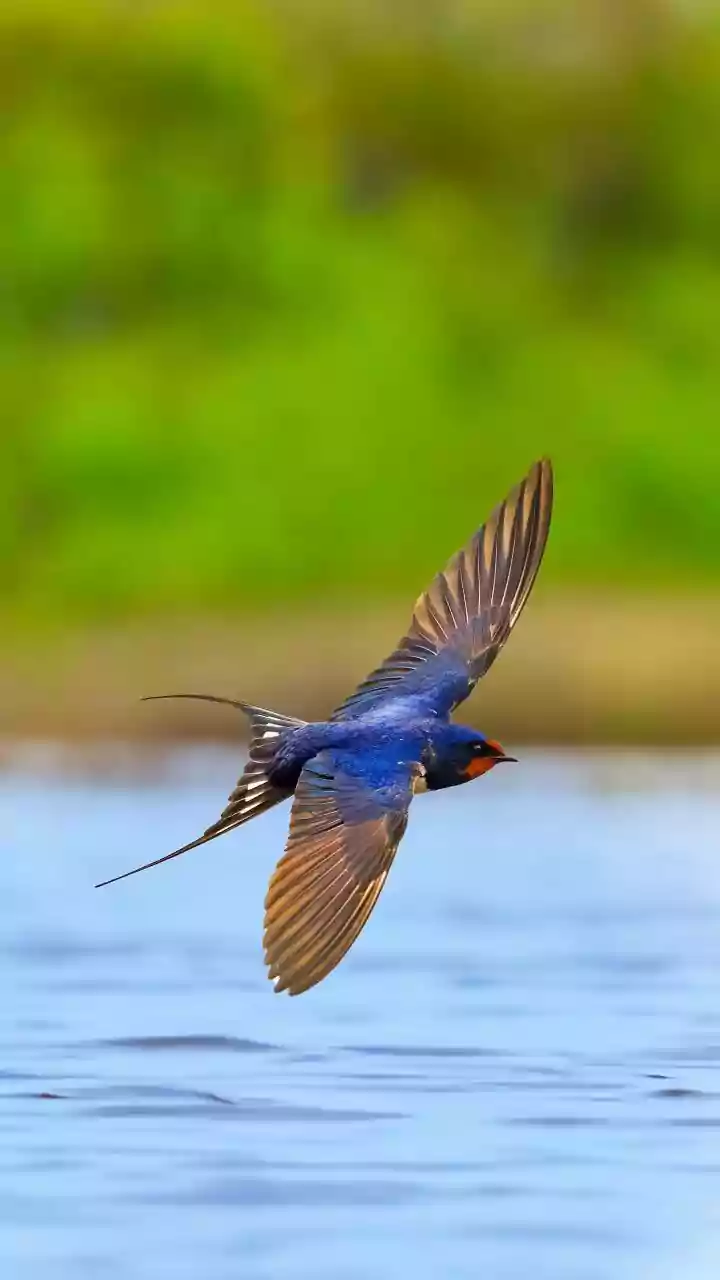
A sobering new study has confirmed what many scientists and birdwatchers have feared: approximately 51% of all migratory bird species worldwide are experiencing population declines. This isn't just about a few rare species; even once-common birds are dwindling,
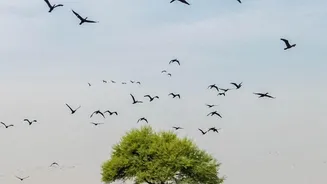
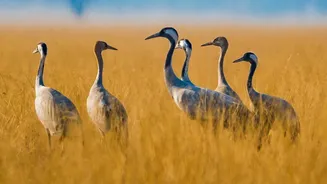
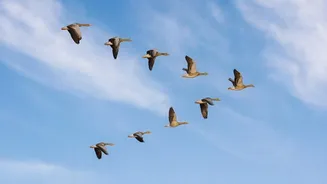
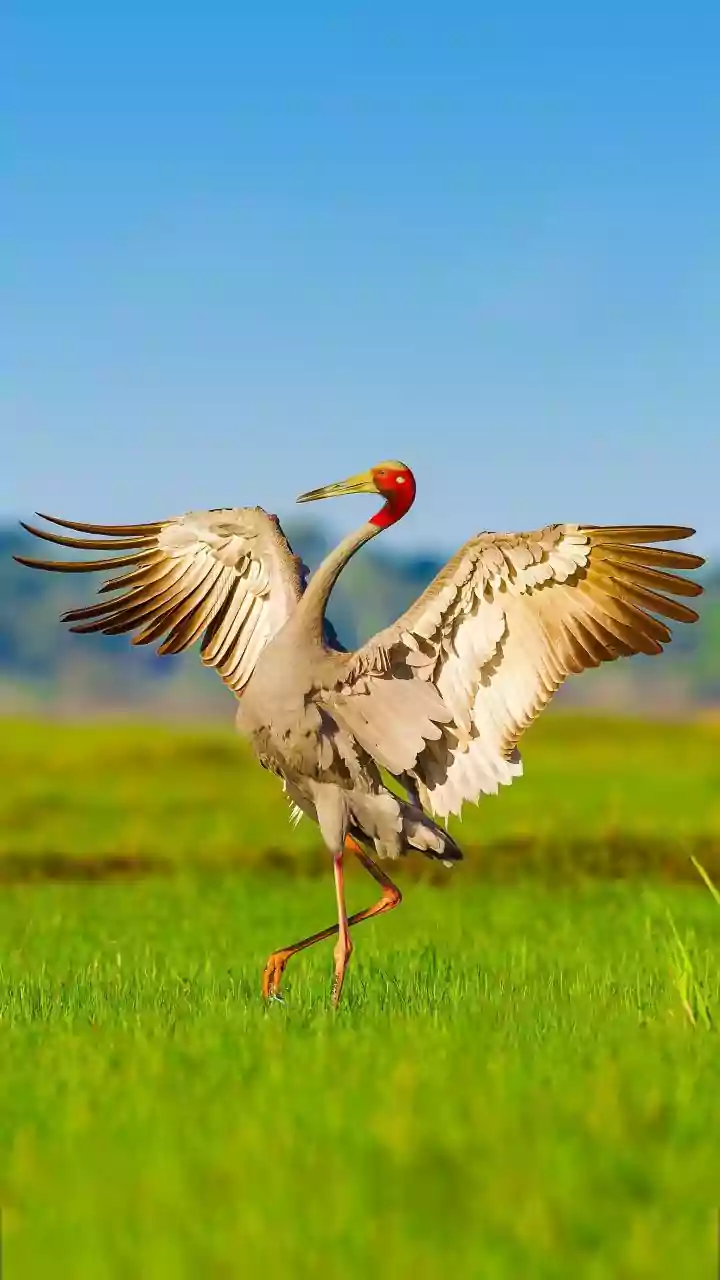
signaling a widespread biodiversity crisis. For India, which sits at the heart of the crucial Central Asian Flyway, these findings are particularly stark. The report highlights that long-distance migrants, like the ones travelling from the Arctic to winter in India's wetlands and grasslands, are declining more rapidly than local or short-distance migratory birds. This puts species that are integral to our ecosystems, from the majestic Siberian Crane to the tiny Spoon-billed Sandpiper, at increasing risk.
Why Their Wings Are Faltering
The reasons for this dramatic decline are complex and almost entirely human-driven. The single greatest threat is habitat loss and degradation. Across India, wetlands are shrinking due to urban expansion, agricultural intensification, and pollution, depriving birds of essential resting and feeding grounds. Chemical contamination from industrial effluents and pesticides in agriculture also takes a heavy toll. These substances can poison birds directly or decimate their food sources, like insects, and can even cause disorientation during their long flights. Furthermore, climate change is creating a dangerous mismatch. Rising temperatures are altering seasons, causing food sources to peak before the birds arrive, leaving them and their young to starve. Illegal hunting and collisions with man-made structures like power lines and wind turbines add another layer of danger to their already perilous journeys.
India's Critical Role and Responsibility
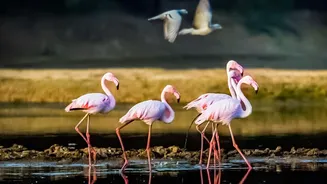
From the high passes of Ladakh, where Bar-headed Geese fly, to the coastal wetlands of Tamil Nadu, which welcome flocks of flamingos, India provides a winter home or a vital stopover for over a million birds annually. These birds are not just beautiful visitors; they are essential parts of our environment. They act as natural pest controllers, help in seed dispersal and pollination, and support local economies through tourism. The disappearance of the Siberian Crane from its regular wintering grounds in Rajasthan after 2002 serves as a tragic reminder of what is at stake. The health of these migratory populations is a direct indicator of the health of our own ecosystems. When the birds falter, it is a sign that the natural systems we all depend on are under immense stress.
A Glimmer of Hope on the Horizon
The situation is dire, but not without hope. The declines are not considered inevitable, and experts believe we have the scientific knowledge to reverse them. India has recognized the challenge and launched a National Action Plan for the Conservation of Migratory Birds. This framework aims to protect critical habitats, reduce threats along the Central Asian Flyway, and increase monitoring. There are also inspiring examples of local action. In Nagaland, community-led conservation efforts transformed the region from a hunting ground for Amur Falcons into a celebrated sanctuary, showcasing how local awareness and action can create meaningful change. Similarly, targeted projects in West Bengal are working to remove the vast mist nets used for illegal bird capture. These initiatives prove that concerted efforts can make a difference.