





The Challenge with Foreign Varieties
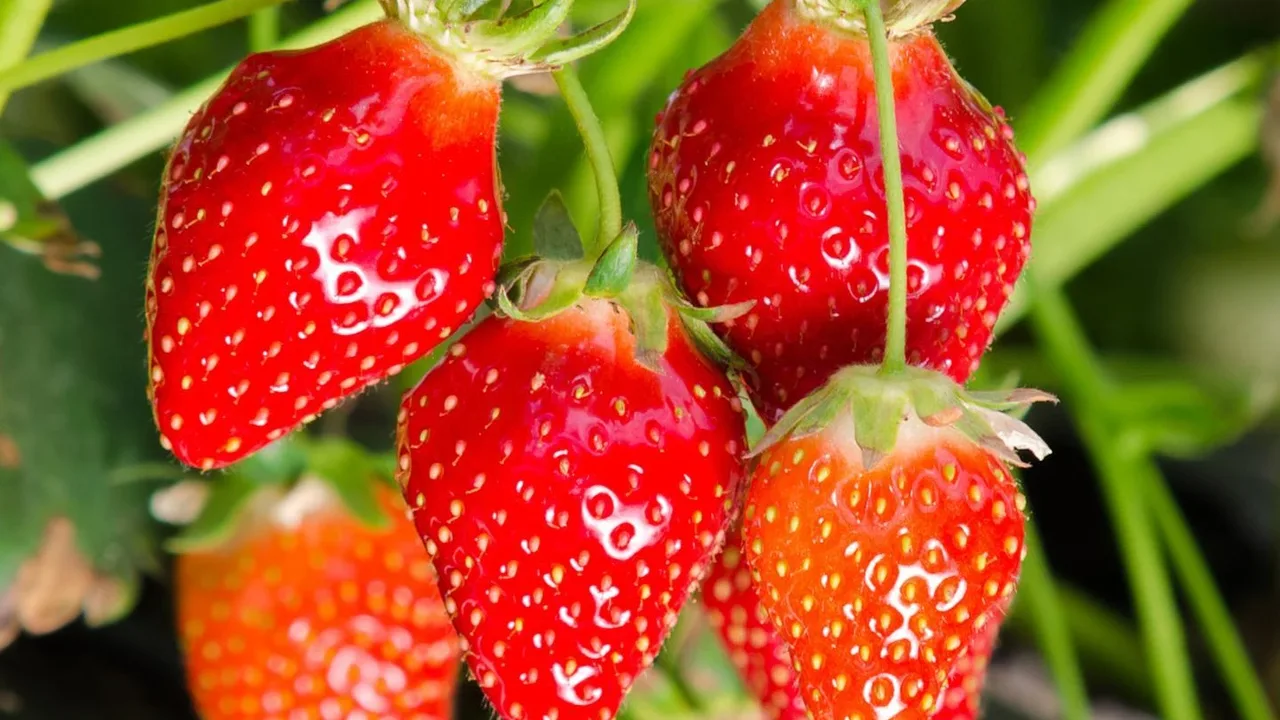
For decades, India's strawberry cultivation, with about 85% happening in the Mahabaleshwar region, has depended on plant varieties imported from places like California, Spain, and Italy. These imports come with high costs for farmers, who must buy new
plants every season, and risks associated with supply chains and quarantine processes. More importantly, these foreign varieties are not always suited to India's diverse and increasingly challenging climate. Unseasonal rains or sudden heatwaves can ruin an entire crop, making it a high-stakes gamble for farmers. The need for a domestic, climate-resilient strawberry variety that can thrive in local conditions has become a national priority, driving the push for agricultural self-reliance.
Atomic Energy for Better Berries
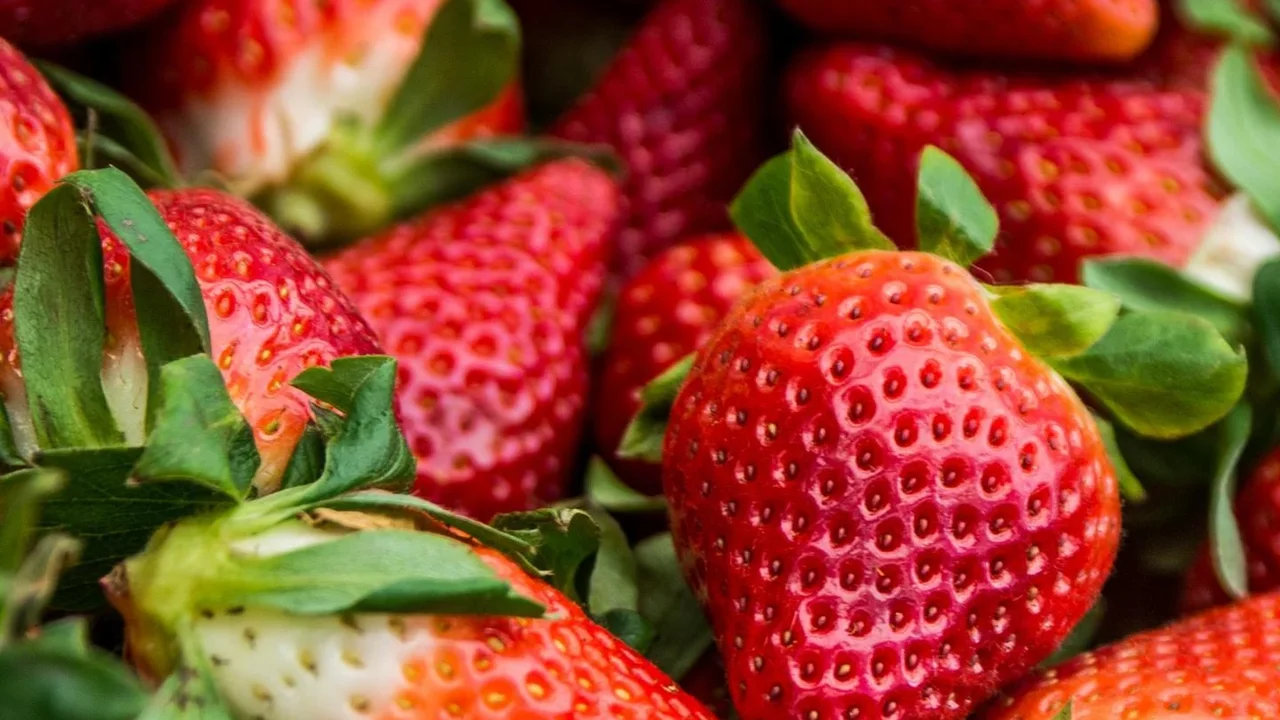
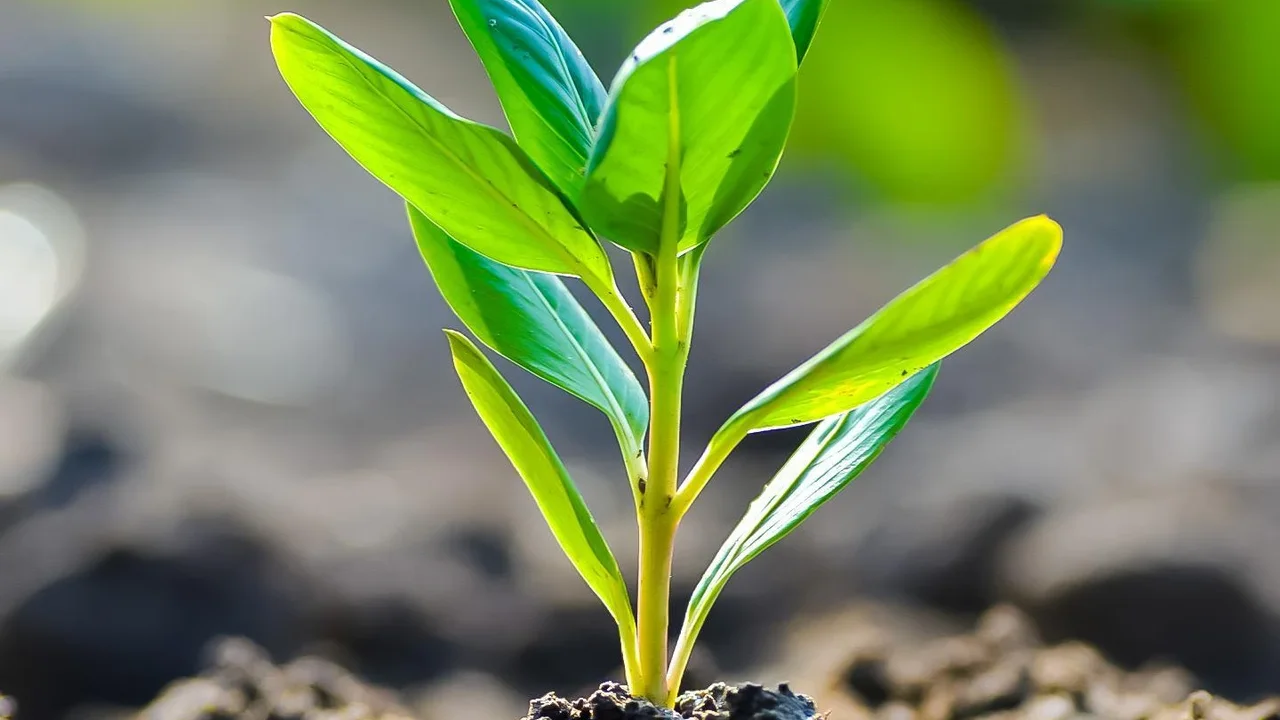
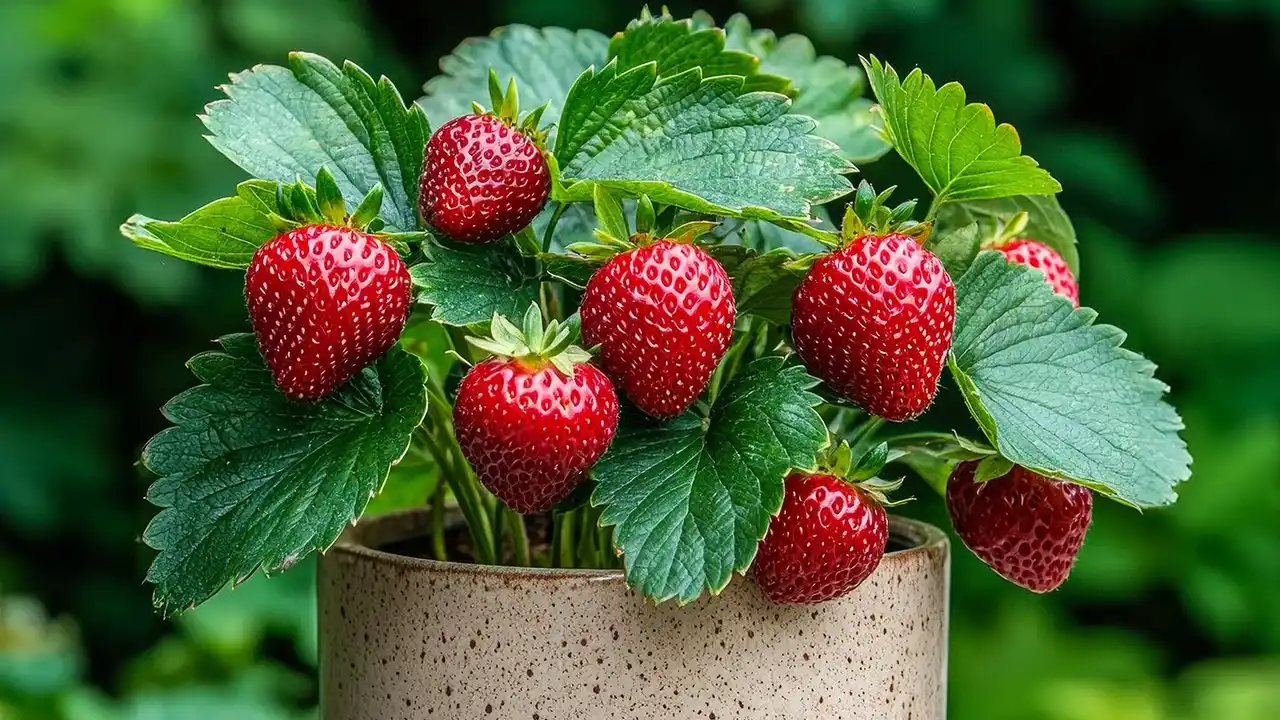
The secret weapon in creating this new Indian strawberry is gamma-assisted breeding, a process also known as mutation breeding. Scientists at institutions like the Bhabha Atomic Research Centre (BARC) use controlled doses of gamma radiation to induce genetic mutations in plants. This technique is a way to fast-track evolution, generating a wide variety of new traits in a short period. Unlike genetic modification, it doesn't introduce foreign genes; it simply speeds up the natural process of mutation. For the strawberry project, researchers aim to create mutations that result in desirable traits like heat tolerance, disease resistance, and the firm texture and large size that consumers love. The goal is to develop India's very first indigenous strawberry cultivar that is perfectly adapted to the nation's unique agricultural landscape.
Farming with Surgical Precision
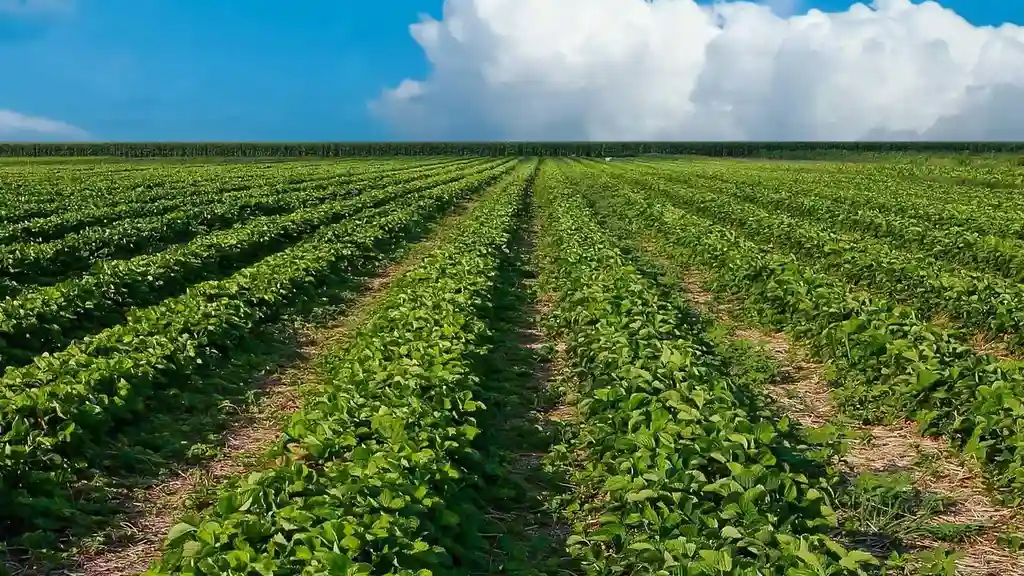
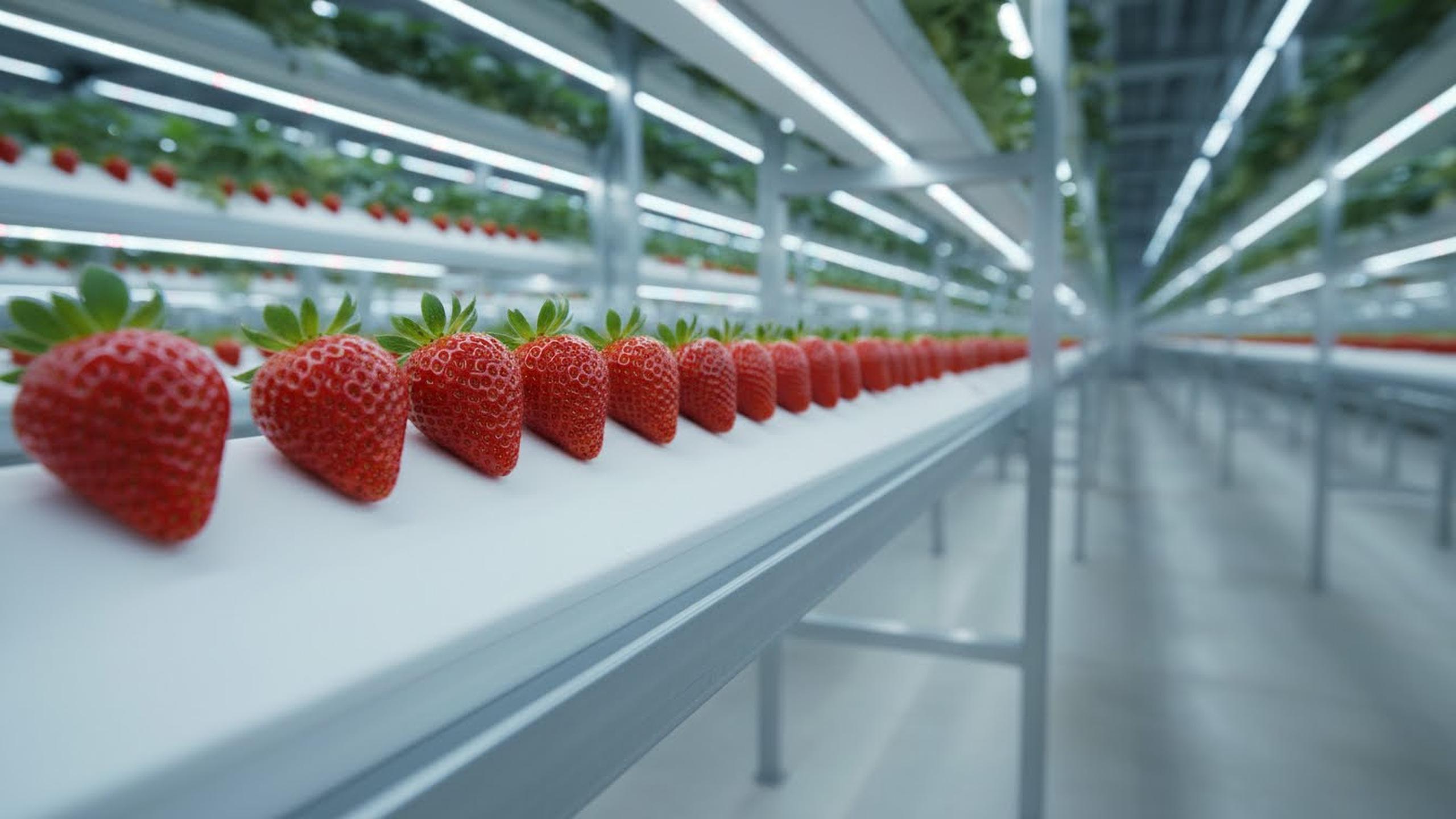
Developing the perfect plant is only half the battle; it must be grown efficiently. This is where precision farming comes in. This modern approach uses technology to make farming more accurate and resource-efficient. Instead of treating a whole field the same, precision farming uses tools like GPS, sensors, and drones to monitor the crop and soil with incredible detail. For strawberries, this can mean using drip irrigation to deliver the exact amount of water and nutrients to each plant, or using soil sensors to monitor health and prevent disease before it spreads. Some advanced farms are already using high-tech systems where plants don't even touch the ground, growing in containers to optimize space and control conditions perfectly. This data-driven approach reduces waste, lowers costs for farmers, and increases overall yield.
A Glimpse into the Future
By combining gamma-assisted breeding with precision farming, this project offers a powerful model for the future of Indian agriculture. The new, resilient strawberry varieties will reduce farmers' dependence on costly imports and protect them from climate-related losses. Precision farming techniques will ensure these new plants are grown sustainably, conserving water and reducing the need for chemical fertilizers and pesticides. While developing a stable, high-quality indigenous variety could take time, researchers are confident in the process. In the meantime, the knowledge and scientific practices developed are already being shared with farmers to improve their current cultivation methods. This initiative represents more than just a better strawberry; it is a step towards a more secure, profitable, and self-sufficient agricultural sector for India.