

The Power of the Spice Drawer
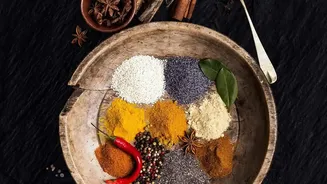
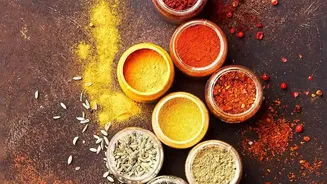
The first step in transforming your potatoes is to look beyond just salt. A potato's mild, starchy nature makes it a perfect canvas for a huge range of spices. A standard potato seasoning often starts with a foundation of salt, garlic powder, onion powder, and black
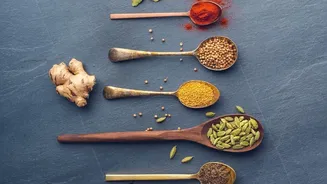
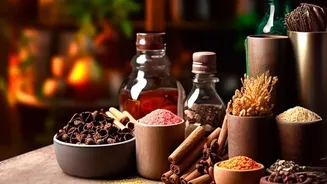
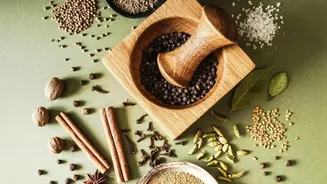
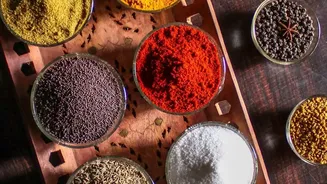
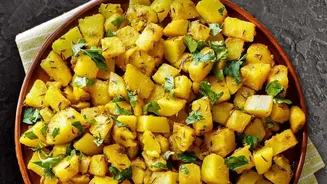
pepper. From there, you can travel the world. For a smoky, warm flavour, paprika is essential—sweet, hot, or smoked paprika all offer different dimensions. For a more Indian-centric approach, a mix of turmeric, cumin, and ground coriander creates an earthy, vibrant base perfect for roasting or frying. A pinch of garam masala added towards the end of cooking can provide a complex warmth from spices like cinnamon and cardamom. Don't be afraid to use spice blends, either. Cajun or Creole seasonings, with their mix of paprika, cayenne, and herbs like oregano and thyme, can bring a punchy heat that's excellent on fries or breakfast potatoes.
A Touch of Freshness with Herbs
Herbs, both fresh and dried, add another layer of complexity. When it comes to roasted potatoes, woody herbs are a classic choice for a reason. Rosemary and thyme release their fragrant, pine-like oils during the high heat of roasting, infusing the potatoes with a flavour that feels like a steakhouse side dish. Parsley adds a clean, peppery finish, but is often best added after cooking to preserve its fresh taste. For boiled or steamed potatoes, which offer a purer potato flavour, softer herbs are ideal. Fresh dill, chives, or mint tossed with boiled baby potatoes and a knob of butter create a light, refreshing side dish. In many Indian potato dishes, such as aloo masala, fresh coriander leaves (cilantro) are essential, added at the end for a burst of bright, citrusy flavour that cuts through the richness of the spices.
How the Method Makes the Magic
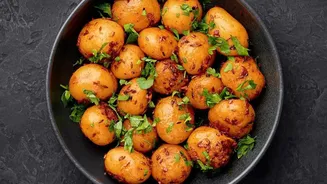
Your choice of cooking method is perhaps the most critical factor in determining the final flavour and texture of your potatoes. Each technique creates a different chemical reaction. Roasting in a hot oven is a dry-heat method that allows for the Maillard reaction to occur. This is a chemical process between amino acids and sugars that happens at high temperatures, creating the delicious browning, crispy texture, and hundreds of new flavour compounds that simply don't exist in a raw potato. For the best results, cook at a higher temperature for a shorter time to encourage browning. Boiling, on the other hand, is a wet-heat method. Because the temperature is limited to the boiling point of water, the Maillard reaction doesn't happen. This results in a softer texture and a cleaner, more neutral potato taste, making boiled potatoes the perfect base to absorb other flavours from dressings, herbs, or spices added after cooking. Steaming and microwaving are similar, retaining nutrients well but not developing that roasted flavour.
Bringing It All Together
The key is to match the seasoning and herbs to the cooking method. For crispy roasted potato wedges, toss them generously in oil and a finely ground spice blend of smoked paprika, garlic powder, and cumin before they go into the oven. The oil helps conduct heat for better crisping, and the fine powder will cling well. For a flavourful potato salad, boil the potatoes in well-salted water, then toss them while still warm in a vinaigrette with fresh dill and chives. The warm potatoes will absorb the dressing more effectively. If you are making a simple stir-fry or 'sabzi', blooming whole spices like mustard and cumin seeds in hot oil before adding the potatoes will create an incredibly fragrant foundation that coats every piece. Even a simple baked potato can be elevated by rubbing the skin with oil and salt before baking and topping it with more than just butter—think sour cream with green onions and a squeeze of lemon juice for brightness.