









The 'Green Exercise' Difference
That jog in the park or yoga session on the lawn isn't just in your head—it feels different because it is. The concept is known as “green exercise,” and it refers to any physical activity performed in a natural environment. A growing body of research
confirms that combining movement with nature amplifies the benefits far beyond what you might experience in a gym. Studies consistently show that outdoor workouts lead to greater feelings of revitalization and positive engagement. One meta-analysis found that compared to indoor exercise, activity in nature was linked to decreased tension, confusion, and anger. So the next time you choose a park over a treadmill, know that you're tapping into a powerful synergistic effect that boosts both body and mind.
Giving Your Brain a Break
A gym is a festival of artificial stimuli: clanging weights, repetitive music, and television screens demanding your attention. In contrast, a natural setting offers what scientists call “involuntary attention.” The gentle rustle of leaves, the patterns of sunlight through trees, and the sight of a bird in flight capture your focus effortlessly. This process is central to Attention Restoration Theory, which proposes that natural environments help our minds recover from the mental fatigue of daily life. Unlike the forced focus required to get through a tough set while watching a screen, nature allows your directed attention to rest and recharge. This mental restoration is one of the key reasons a walk in the woods can leave you feeling not just physically tired, but mentally refreshed and clear-headed.
A Workout That Feels Easier
Have you ever noticed that a run outdoors feels less strenuous than the same distance on a treadmill? This isn't just a trick of the mind. Research has explored the idea of “perceived exertion,” and studies indicate that people often report their outdoor workouts as feeling less taxing, even when the intensity is identical to an indoor one. The varied scenery and multi-sensory experience of being outside can distract from feelings of fatigue and discomfort. The pleasant and dynamic environment helps shift your focus away from your burning muscles or laboured breathing, making it easier to push through and even enjoy the activity more. This lower perceived effort can also boost your motivation, making you more likely to stick with your routine in the long run.
The Ultimate Mood-Boosting Cocktail
The psychological benefits of green exercise are perhaps its most compelling feature. Multiple studies have demonstrated its powerful effect on mood and stress. Exercising in nature has been shown to deliver greater reductions in anxiety and anger compared to the same activity in an urban or indoor setting. Physiologically, this makes perfect sense. Time in green spaces is associated with a reduction in cortisol, the body's primary stress hormone. At the same time, it boosts positive emotions. Participants in studies frequently report greater feelings of joy, satisfaction, and vigour after an outdoor workout. Even a short, five-minute burst of activity in a green space can lead to measurable improvements in self-esteem and mood, making it one of the most efficient ways to achieve a mental lift.
Making It Work for You in India
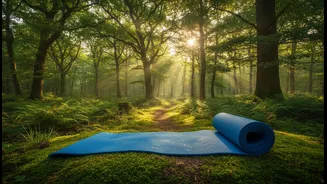
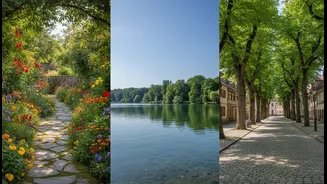
You don't need access to a dense forest or a secluded beach to reap these benefits. Integrating green exercise into your life can be simple. In India, this could mean swapping your evening treadmill session for a brisk walk around your local neighbourhood park. You could take your yoga mat to a quiet corner of a public garden for your morning practice. Even cities with bustling streets have green pockets, promenades, or seaside walkways that offer a dose of fresh air and a break from enclosed spaces. The key is to consciously choose nature when you can. Pay attention to the sensory details—the feeling of the breeze, the smell of rain-soaked earth after a monsoon shower, the sounds of birds at dawn. These small moments of connection are what elevate a simple workout into a truly restorative experience.