






The Price Shock at 30,000 Feet
Anyone who has tried booking an international trip from India recently has likely felt the financial sting. Airfares to long-haul destinations in Europe, North America, and Australia have surged, in some cases by over 50%. A ticket to Europe that once
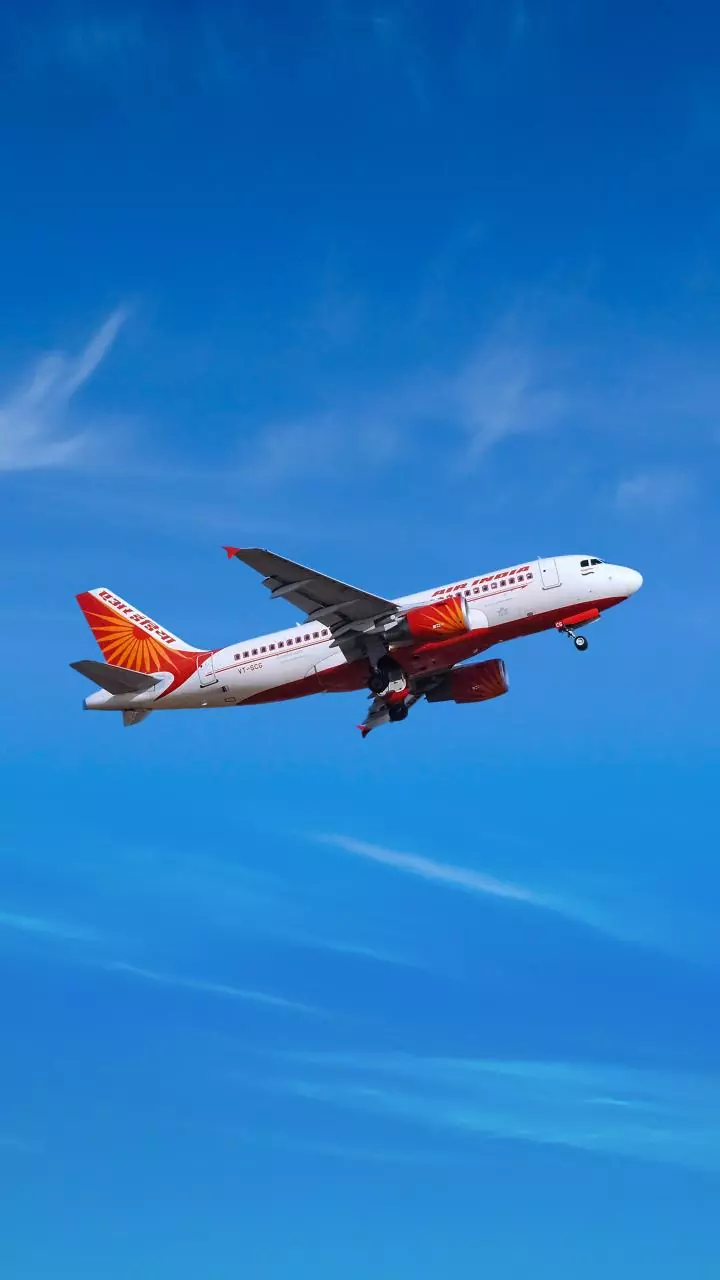
cost ₹45,000 can now easily cross the ₹80,000 mark. This dramatic increase isn't random. It's the result of a perfect storm of factors, including geopolitical tensions that force longer flight routes, volatile aviation turbine fuel (ATF) prices, and reduced flight frequencies on major routes by carriers like Air India. Airlines have been adding fuel surcharges to offset their own rising operational costs, a move that directly impacts the final price paid by travellers. Despite these steep hikes, the demand for outbound travel has not collapsed; in fact, it remains incredibly resilient.
A Fundamental Shift in Priorities
The core reason for this sustained travel demand lies in a profound psychological shift. For a growing number of Indians, particularly the aspirational middle class, travel is no longer a discretionary luxury but an essential life experience. The years of pandemic-induced lockdowns created a powerful pent-up demand, often dubbed "revenge travel." Three in five Indians plan to travel more in 2026 than they did in the previous year. This desire for exploration is now a key part of financial planning. People are willing to spend more, save differently, and even take out loans to fund their holidays, viewing these experiences as a crucial investment in their well-being and social standing.
Smarter Travel, Newer Horizons
While the desire to travel is strong, consumers are not simply absorbing the high costs without a strategy. Travellers are becoming more adaptable and value-conscious. Instead of cancelling trips, many are adjusting travel dates, booking well in advance, and showing increased flexibility with their destination choices. This has led to a boom in travel to new, more affordable destinations. Countries in Southeast Asia, Central Asia, and the Caucasus are gaining popularity. The availability of visa-free entry or visa-on-arrival in approximately 55 countries for Indian passport holders has been a significant driver, as it reduces both the cost and administrative hassle of planning a trip. Destinations like Thailand, Malaysia, and Sri Lanka are leveraging these friendly visa policies to attract a record number of Indian tourists.
The Economics of Experience
The outbound tourism market from India is a multi-billion dollar industry, and it's projected to grow substantially. This growth is fueled by rising disposable incomes and a shift from accumulating material goods to collecting experiences. A recent report noted that 67% of Indian travellers now plan their holidays around cultural experiences like festivals, heritage sites, and local food. This hunt for authenticity is pushing tourists beyond the traditional hotspots of London, Dubai, and Singapore towards destinations that offer deeper, more immersive experiences, from wildlife safaris in Africa to cultural tours in Japan. The travel industry is responding, with a greater focus on curated, experience-led holidays that go beyond passive sightseeing.