




What Exactly Is Shadow Boxing?
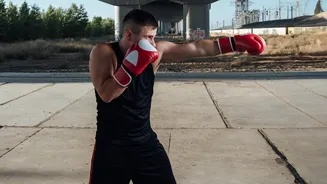
At its core, shadow boxing is a solo exercise where you move and punch as if you're facing an opponent. Fighters have used it for over a century to perfect their technique, build muscle memory, and warm up. Unlike hitting a heavy bag, it’s a non-contact,
low-impact workout, which means less strain on your joints. You don't need gloves or any special gear—just some space and your own body. This makes it an incredibly accessible way to get the fitness benefits of boxing without the risk of getting hit.
A True Full-Body Workout
Shadow boxing is a formidable cardiovascular challenge that engages your entire body. Every punch is a coordinated movement that starts from your feet, travels through your core, and extends through your shoulders and arms. This simultaneous upper and lower body engagement spikes your heart rate and metabolism, helping to burn calories effectively. Beyond cardio, it's also a great way to tone muscles in your shoulders, arms, and core. While it won't build heavy muscle mass like weightlifting, it develops lean, functional strength and muscular endurance.
The Mental and Coordination Benefits
The benefits of shadow boxing extend beyond the physical. The practice demands intense focus and concentration, acting as a form of 'moving meditation' that can help quiet the mind. Visualizing an opponent and reacting with combinations of punches and defensive moves enhances your mind-body connection. This boosts coordination, balance, and reaction time. Over time, the rhythmic and focused nature of shadow boxing can be a powerful tool for stress relief, providing a healthy outlet to release tension and improve your mood.
For Beginners: Building a Foundation
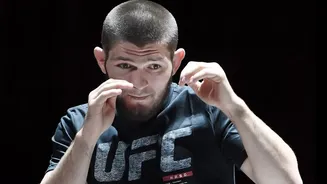
If you're new to shadow boxing, the key is to start slowly and focus on proper form. Begin by learning the basic boxing stance—feet shoulder-width apart, knees slightly bent, and hands up in a defensive 'guard' position. Practice the four fundamental punches: the jab, cross, hook, and uppercut. Focus on one punch at a time, performing the movement slowly in front of a mirror to check your technique. Keep your feet moving, taking small steps as you punch. Start with short, one- or two-minute rounds focused purely on form before trying to add speed or power.
For Intermediates: Adding Complexity
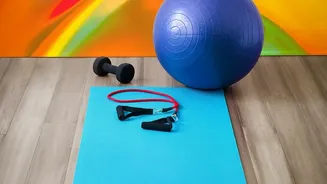
Once you feel comfortable with the basics, it's time to level up. Start stringing punches together into simple combinations, like a jab-cross (a '1-2'). Introduce defensive movements like slips (moving your head to the side) and rolls (ducking under a punch). A great drill is to throw a combination and immediately follow it with a defensive move, which mimics the rhythm of a real fight. You can also increase the intensity by quickening your pace and extending your rounds to three minutes to further challenge your cardiovascular endurance. Some intermediate drills involve adding light hand weights to build strength.
For Advanced Levels: Mastering the Craft
Advanced practitioners can continue to scale the workout by increasing complexity and intensity. Incorporate more intricate footwork, such as pivots and lateral movement, to create angles. Work on longer, more complex combinations that mix punches, feints, and defensive maneuvers. To build explosive power and conditioning, you can use light dumbbells or weighted gloves, which add resistance to every punch. Another advanced technique is to increase the length and pace of your rounds, pushing your stamina to its limits and simulating the demands of a competitive bout.