





Kyoto: Swap for Kanazawa
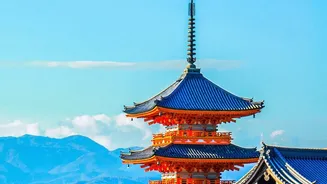
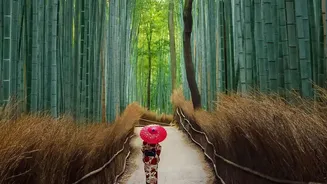
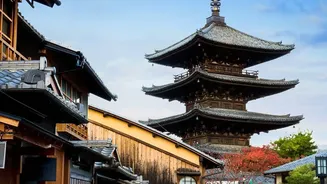
Kyoto is the cultural heart of Japan, a city of sublime temples and geishas gliding through lantern-lit alleys. But that magic is often obscured by a crush of visitors, especially in areas like Gion, Kiyomizu-dera, and Fushimi Inari. If you must see Kyoto's
main attractions, time your visit for the deep off-season, such as January or February, when the cold keeps many tourists away. Waking up before 8 a.m. is also a solid strategy for a peaceful moment at popular shrines. For a compelling alternative, consider Kanazawa. Often called "Little Kyoto," it offers much of the same appeal without the overwhelming crowds. Kanazawa boasts a beautifully preserved samurai district in Nagamachi, a historic geisha district in Higashi Chaya, and Kenrokuen, one of Japan's most celebrated landscape gardens. It delivers a rich dose of feudal-era charm and is a worthy replacement for those seeking a more tranquil experience.
Hakone: Try the Izu Peninsula Instead
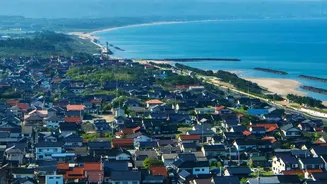
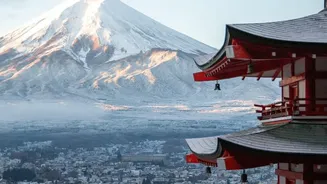
Hakone is the go-to day trip from Tokyo for its hot springs (onsen), stunning Lake Ashi, and the promise of a Mount Fuji view. Unfortunately, its accessibility means it's frequently packed, with traffic jams and long queues for the famous ropeway, particularly on weekends. To escape the congestion, pivot to the Izu Peninsula. Located a bit further south, Izu offers a more relaxed and diverse coastal experience. It has its own abundance of onsen towns like Shuzenji, beautiful coastlines, serene beaches in the south, and dramatic volcanic landscapes. You can still catch breathtaking views of Mount Fuji from Izu's western coast, often without another tourist in sight. It provides the same key elements—nature, relaxation, and Fuji views—but on a much quieter and more local scale.
Central Tokyo: Visit Mid-Week or Swap for Fukuoka
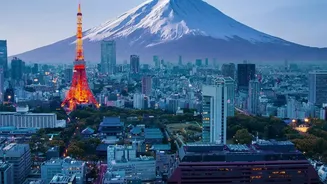
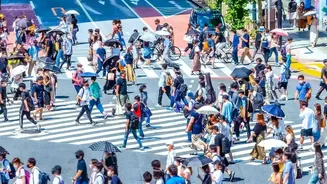
No first-time trip to Japan feels complete without witnessing the spectacle of Shibuya Crossing or the neon canyons of Shinjuku. These areas are exhilarating, but the sheer volume of people can be draining. The key to enjoying them is timing: visit on a weekday morning or late evening to avoid the peak rush. For those who want a vibrant, world-class urban experience with a more manageable flow, Fukuoka is an excellent alternative. Located on the southern island of Kyushu, Fukuoka is a dynamic, modern city celebrated for its incredible food scene, particularly its open-air yatai (food stalls) and legendary Hakata ramen. It has fantastic shopping, a lively nightlife, and a more laid-back atmosphere than Tokyo, making it a compelling destination in its own right.
Osaka (Dotonbori): Explore Shinsekai or Tenma
Dotonbori in Osaka is a feast for the senses, famous for its giant mechanical crab signs, endless street food, and electric atmosphere. It's also intensely crowded, with foot traffic often at a standstill. While it’s a must-see for many, you can find a more authentic Osaka experience nearby. For a similar but more retro vibe, head to Shinsekai. With the Tsutenkaku Tower looming overhead, its streets are filled with old-school charm and kushikatsu (deep-fried skewer) restaurants. If your main interest is food and drink without the tourist crush, the Tenma district is where locals go. This area is packed with tiny, authentic izakayas and standing bars, offering a genuine taste of Osaka's renowned culinary culture in a far more relaxed setting.
Nara: Replace with Nikko
Nara is famous for Todai-ji Temple's Great Buddha and its semi-wild deer that roam the park, bowing for crackers. While charming, the experience can feel tourist-driven, and the central park area is almost always busy. For a destination that blends stunning UNESCO World Heritage sites with profound natural beauty, consider Nikko. Located in the mountains north of Tokyo, Nikko is home to the incredibly ornate Toshogu Shrine, a mausoleum complex that stands in striking contrast to the minimalist aesthetic of many other Japanese shrines. The area is surrounded by a national park offering forests, waterfalls, and hiking trails. While Nikko is also a popular destination, its attractions are more spread out, and it offers a deeper sense of spiritual tranquility and natural grandeur than the often-crowded deer park in Nara.