




A Picnic in the Sky
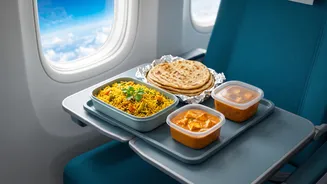
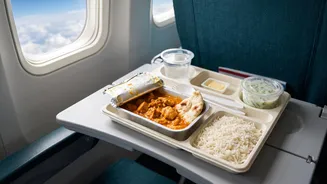
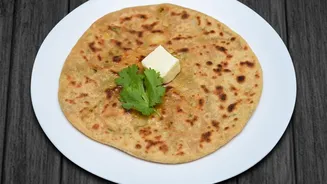
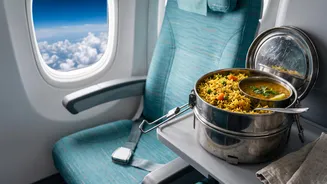
It’s a scene that quickly captured the internet’s attention: a family on an IndiGo flight, transforming their tray tables into a dining spread. In a now-viral video, they pass around disposable plates and serve a feast of homemade parathas, sabzi, and other
snacks. The clip, captioned “Desi families while travelling core,” shows a communal, joyful meal being shared across rows, reminiscent of a family picnic. Some members are even seen applying press-on nails as the meal progresses. For many, it was a familiar and heartwarming sight, but for others, it raised immediate questions about appropriate behaviour in a shared, enclosed space. The family did appear to make an effort to be tidy, collecting their waste in a large bag after the meal.
Wholesome Culture or Poor Etiquette?
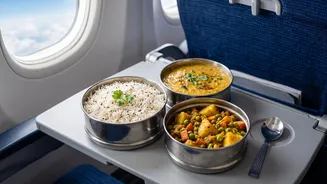
The reactions online were swift and sharply divided. One camp celebrated the video, calling it a “wholesome” and relatable display of Indian culture, where sharing food is a common expression of community. Many commenters noted that bringing home-cooked meals is a practical habit, especially on budget airlines or when facing expensive and often unappetizing in-flight options. On the other side of the aisle, critics argued that the act showed a “complete lack of public etiquette” and poor “civic sense.” Their concerns focused on several issues: the potential for strong food odours to permeate the cabin, the commotion caused by distributing food among a large group, and the general principle of treating a public airplane like a private dining room. The debate wasn’t just about food, but about where to draw the line between personal comfort and consideration for fellow passengers.
The Unwritten Rules of Airplane Food
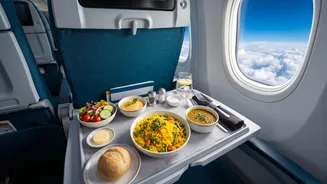
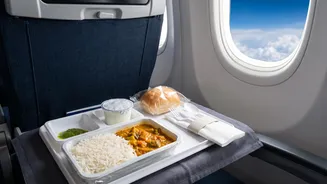
This incident is part of a much larger, ongoing conversation about the unspoken rules of eating on a plane. Airlines generally permit passengers to bring their own food, but etiquette experts agree that courtesy is key. The number one rule is to avoid pungent foods. Strong smells from things like fish, eggs, broccoli, or heavily spiced dishes can be amplified in the recycled air of a cabin, causing discomfort for others. This isn't limited to one type of cuisine; social media is filled with stories of passengers complaining about everything from lobster dinners to tuna sandwiches. The core principle, according to travel experts, is to act as if you are in a shared, confined space—because you are. Simple choices, like opting for less aromatic snacks and keeping your area clean, can make a significant difference.
Finding a Middle Ground
So, where does that leave the humble paratha? The debate isn't really about a specific dish, but about awareness. Many airlines have cut back on complimentary meals, pushing more travellers to pack their own food for long journeys. This shifts the responsibility for courtesy onto the passenger. While no one wants to be shamed for their cultural food choices, the reality of air travel is that it forces hundreds of strangers into close proximity. Perhaps the solution lies in a middle ground: enjoying the comfort of homemade food while choosing options that are less likely to disturb others. It’s a balance between celebrating one's culture and respecting the shared environment of the cabin. The viral picnic serves as a reminder that a little consideration can go a long way in making the travel experience more pleasant for everyone.