






What Are Soft Robotics?
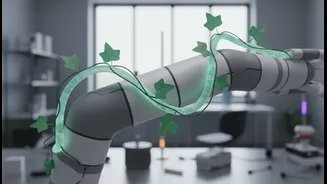
When you think of a robot, you probably picture a rigid machine made of metal and plastic, like those seen on factory floors. Soft robotics is the complete opposite. Inspired by biological systems like an octopus’s tentacle or a climbing vine, this field
uses flexible, compliant materials such as elastomers, gels, and smart polymers. Instead of clunky motors and gears, soft robots are often powered by gentler methods, like air pressure moving through tiny channels. This allows them to bend, twist, and conform to their environment, making them inherently safer for interacting with the human body. This safety and adaptability make them ideal for applications in healthcare, from delicate surgical tools to rehabilitation devices that help patients regain movement.
From Fabric to Function
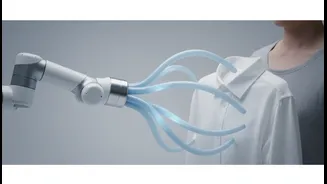
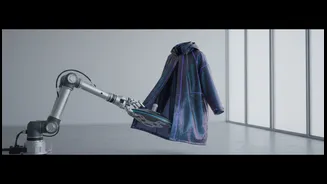
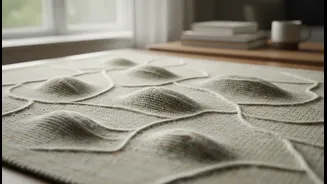
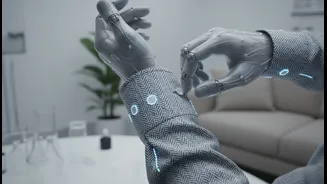
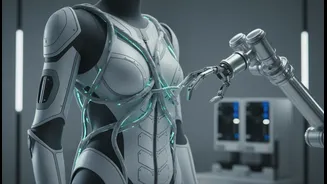
So how does this translate into a shirt that can dress you? Researchers are embedding soft robotic systems directly into textiles, creating 'smart fabrics'. One recent innovation from researchers at South Korea's KAIST and Stanford University uses air-powered, vine-like actuators integrated into clothing. When activated, these soft actuators expand and move along the body, guiding the garment into place much like ivy climbing a wall. This method, called 'unfurling,' dramatically reduces friction between the fabric and the skin, making the process smoother and more comfortable. The entire process of putting on a full suit can take as little as ten seconds. Other approaches use shape-memory alloys or polymers woven into the fabric that can be programmed to bend and curl, effectively moving the garment onto the wearer.
A New Era of Independence
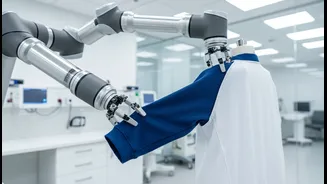
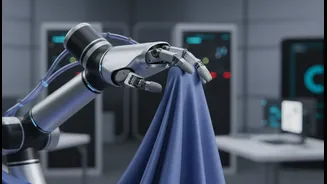
The potential impact for people with disabilities, older adults, and those recovering from injuries is immense. Traditional robotic arms designed to help with dressing can be slow, complex, and require the user to remain perfectly still. Soft robotic clothing, by contrast, is designed to be adaptive and forgiving. The technology can work even if the person isn't completely stationary and doesn't require complex control algorithms. This offers a clear path toward greater independence and dignity. Beyond just helping a person get dressed, these smart garments could provide stability to help someone stand up, offer support while walking, and assist with a range of daily movements, potentially replacing cumbersome aids. The goal is to create assistive technology that is not only functional but also comfortable and discreet, looking more like clothing than a medical device.
The Road from Lab to Living Room
While the technology is incredibly promising, self-dressing robotic clothes are not yet available in stores. Researchers are still working through several challenges. One major hurdle is power; current prototypes are often tethered to external pumps or power sources, which limits portability. Another challenge is the durability and washability of these complex textiles. For the technology to be practical for daily use, it must be able to withstand regular washing and wear. Cost is also a factor, as many of the advanced materials are currently expensive to produce. Despite these obstacles, the field is advancing rapidly. As materials become cheaper and power sources more compact, the vision of a self-assembling wardrobe moves closer to reality, not just for assistive purposes but also for applications like emergency workers needing to don protective gear quickly.