



The Soul of a Simple Sweet
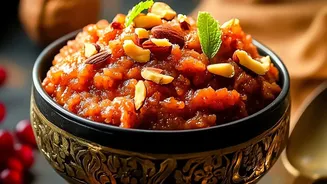
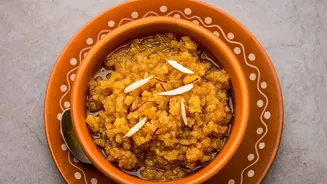
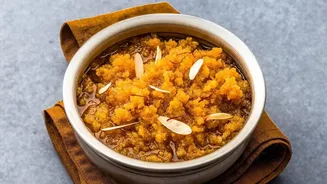
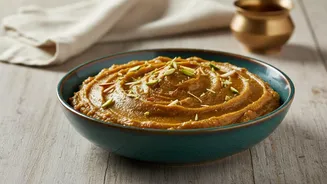
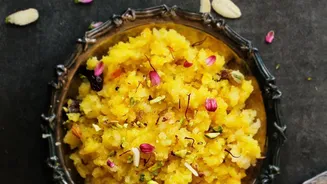
Aloo ka Halwa, or potato halwa, is a testament to the magic that can happen with just a few ingredients. Primarily made from potatoes, ghee, and sugar, it’s a rich and satisfying dessert that holds a special place in many households. It is particularly
popular during religious fasts (vrat), as it provides a quick and substantial source of energy. The goal is always a glossy, flavourful halwa that is soft and rich, never sticky or lumpy. While recipes are straightforward, the final texture is what separates a good halwa from a great one, and that journey begins long before the ingredients hit the pan.
The Floury Potato Advantage
The most critical decision you'll make is choosing your potato. Potatoes are generally categorised as either 'floury' (starchy) or 'waxy'. For Aloo Halwa, you want a floury potato. Floury varieties have a high starch and low moisture content. When cooked, their cell structure breaks down easily, resulting in a dry, fluffy, and crumbly texture. This is exactly what you need for a halwa that is light and grainy rather than dense. Waxy potatoes, on the other hand, are low in starch and high in moisture. They hold their shape well, which makes them great for salads or curries, but a poor choice for halwa, where they can turn gummy and gluey when mashed and cooked with sugar.
Choosing Your Potato in India
While international variety names like Russet or King Edward are classic examples of floury potatoes, it's more helpful to know what to look for in local Indian markets. Varieties like Kufri Jyoti and Kufri Badshah are excellent all-rounders suitable for mashing. Kufri Jyoti is noted for its smooth texture, making it ideal for mashed dishes. The key is to look for potatoes recommended for mashing or those known to have a higher starch content. If you're unsure, ask your vegetable vendor for potatoes that are good for mashing or that cook up soft and fluffy. Avoid newer, waxy varieties that are often marketed for salads.
The Importance of 'Well-Cooked'
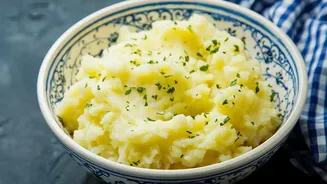
The second half of the headline's advice is just as crucial. 'Well-cooked' means boiling or pressure-cooking the potatoes until they are completely soft and fall apart easily. Many recipes recommend pressure cooking for at least 5 whistles to ensure they are thoroughly cooked. Once cooked, they should be peeled and mashed or grated while still warm. This prevents the formation of lumps and ensures a smooth, uniform base for your halwa. Mashing cold potatoes can result in a pasty, uneven texture that no amount of ghee or sugar can fully rescue.
Bringing It All Together
With your perfectly chosen and prepared potatoes, the final steps become a joy. The mashed potato is first sautéed in a generous amount of ghee. Be patient during this stage; the potato will first absorb the ghee, then change colour, and finally start to release the ghee back as it roasts. This roasting process is vital for developing a nutty aroma and removing any raw potato taste. Once the potato is fragrant and slightly golden, sugar is added. The mixture will liquefy as the sugar melts before thickening again into a glossy mass that pulls away from the sides of the pan. This is the sign of a perfect halwa, a texture made possible by the floury, well-cooked potatoes you started with.