



The Anatomy of a Beloved Dish
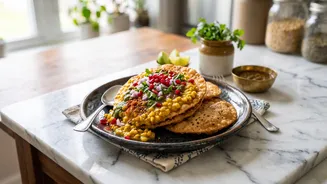
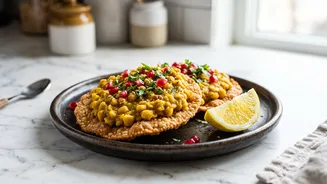
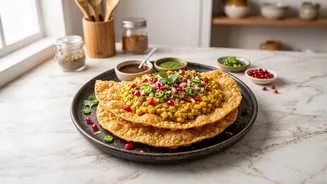
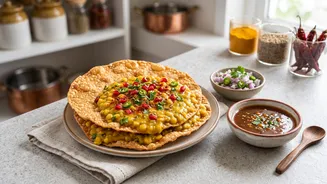
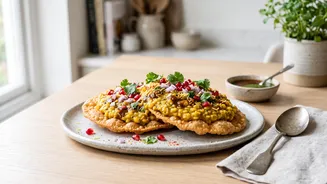
Dal Pakwan is a quintessential Sindhi delicacy, traditionally enjoyed for breakfast or brunch. The dish consists of two core components: 'dal', a simple yet flavourful curry made from chana dal (split Bengal gram), and 'pakwan', a deep-fried, crisp, and flaky
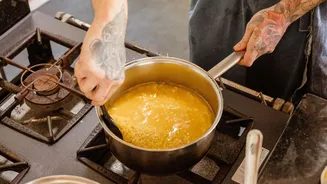
flatbread made from plain flour (maida). The pakwan is often seasoned with cumin or carom seeds, giving it a subtle aromatic quality. The dal is cooked until the lentils are tender but still hold their shape, ensuring they don't turn into a complete mush. This combination alone is satisfying, but the true identity of Dal Pakwan is revealed in its assembly.
A Symphony of Toppings
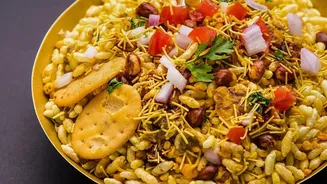
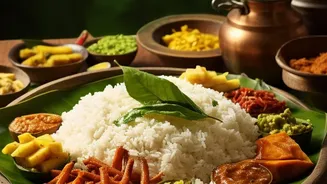
To serve Dal Pakwan is to create a multi-layered experience. The warm dal is poured over the crisp pakwan (or served alongside for dipping), and then comes the trio of essential accompaniments. Typically, this includes a vibrant green chutney made from coriander and chillies, a sweet and tangy tamarind chutney, and, crucially, a generous sprinkle of finely chopped raw onions. This final layer is not merely a garnish; it is an integral part of the dish's flavour architecture, providing a texture and taste that completes the entire experience.
The Pungent Punch of the Onion
So, what is the specific role of the fresh onion? Its primary function is to provide a sharp, pungent crunch. The strong flavour of raw red onion cuts through the richness of the dal and the fried pakwan, preventing the dish from feeling heavy or monotonous. It acts as a palate cleanser with each bite, its crispness offering a vital textural contrast to the soft lentils and brittle bread. This use of raw onion is a common feature in Indian cuisine, particularly in street food and chaat, where it adds a fresh, zesty element that balances heavier, spicier components. In Dal Pakwan, the onion isn't just an ingredient; it's a sensation.
To Add or Not to Add?
While most traditional recipes and street food vendors consider chopped onion an indispensable topping, there are variations. Some purists prepare the dal itself without any onions or garlic, relying solely on the toppings for that flavour profile. Others might incorporate onions into the cooking process of the dal itself for a deeper, sweeter base flavour. Ultimately, whether to add raw onions on top is a matter of personal preference, but to omit them is to miss out on the classic construction of the dish. For many enthusiasts, Dal Pakwan without the sharp bite of raw onion is simply incomplete. The slight 'heat' from the onion is considered essential to the dish's character.
More Than Just Flavour
Beyond its culinary role, the raw onion is a staple in the Indian diet for various other reasons. Onions are packed with nutrients and antioxidants. Traditionally, they are also considered to have cooling properties, making them a popular accompaniment during hot weather to help regulate body temperature. They are also believed to aid in digestion, with their prebiotic properties supporting gut health. While you might not be thinking about health benefits when tucking into a plate of Dal Pakwan, this traditional wisdom has helped cement the onion's place on the Indian plate, moving it from a simple topping to a cultural and culinary necessity.