





Skating: Dynamic and Reactive Core Power
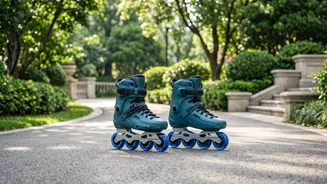
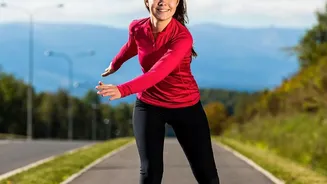
Whether on ice, quads, or inline skates, skating is a masterclass in dynamic stabilization. To stay upright, your core muscles—including your abdominals, obliques, and lower back—are in a state of constant engagement. Every push, glide, and turn forces
your midsection to make tiny, rapid adjustments to maintain balance. This is not the static strength of holding a plank; it is a reactive, functional strength. The side-to-side motion of a skating stride particularly targets the obliques and hip abductors, muscles crucial for pelvic stability and powerful movement. Think of it as a workout that tricks you into strengthening your core. You are so focused on the motion and staying upright that you barely notice the intense work your abs and back are doing until you feel it the next day.
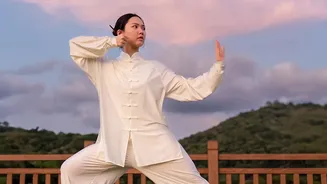
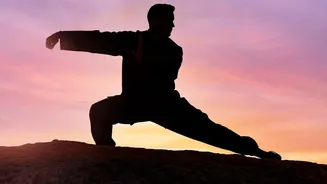
Tai Chi: Controlled and Centered Strength
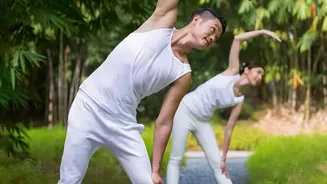
Often described as 'meditation in motion', Tai Chi builds core strength from the inside out. Its slow, deliberate, and flowing movements demand precise postural control and a deep connection to your center of gravity. While it may look gentle, holding and transitioning between poses requires significant strength and endurance from the deep stabilizing muscles of the abdomen and back. This is what some call a 'sneaky workout'. The emphasis on deep, diaphragmatic breathing also engages the transverse abdominis, the body’s natural corset. Unlike the high-intensity engagement of skating, Tai Chi fosters core endurance and stability through sustained, controlled tension and mindful awareness of your body in space.
Cardio Intensity and Calorie Burn
When it comes to cardiovascular output, skating is the clear frontrunner. A moderate to vigorous skating session can elevate your heart rate to between 140-160 beats per minute, burning anywhere from 300 to over 600 calories an hour depending on your pace and body weight. It is recognized by the American Heart Association as an effective aerobic exercise. Tai Chi, while still beneficial for the cardiovascular system, is a low- to moderate-intensity activity. Its benefits are comparable to brisk walking. While it can improve cardiovascular markers like blood pressure over time, it will not leave you breathless in the same way a fast-paced skate will.
Balance, Coordination, and Stability
Both activities are exceptional for improving balance, but they train it differently. Skating develops dynamic balance—the ability to stay stable while in motion. It hones your quick reflexes and coordination as you constantly adapt to a moving surface. Tai Chi, on the other hand, cultivates balance through slow, controlled weight shifts and an enhanced sense of proprioception, which is your body's awareness of its position in space. Studies have shown it to be particularly effective at reducing the risk of falls, especially in older adults, by improving posture, flexibility, and muscle control.
Accessibility and Risk of Injury
Tai Chi is arguably one of the most accessible forms of exercise. It requires no special equipment and can be adapted for any fitness level, including for those who need to remain seated. Its low-impact nature means there is very little stress on the joints, and injury rates are exceptionally low. Skating, conversely, carries an inherent risk of falling, which can lead to fractures (especially of the wrist and forearm), sprains, and head injuries. The risk is highest for beginners and those attempting high speeds or tricks. It also requires a smooth, safe surface and an investment in skates and protective gear like a helmet and pads.
The Mental Game: Flow vs. Mindfulness
The mental benefits of each practice are as distinct as their physical demands. Skating often induces a 'flow state'—a feeling of complete immersion where the rhythmic motion becomes almost automatic and meditative, helping to reduce stress and anxiety. It is a form of active, exhilarating release. Tai Chi is a more direct practice of mindfulness. The focus on slow movement and coordinated breath calms the nervous system, dispels mental chatter, and improves body awareness. Research suggests Tai Chi may be more effective than non-mindful exercise at reducing symptoms of anxiety and depression.