






The News That Shook the Fandom
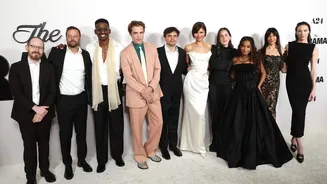
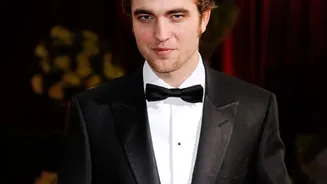
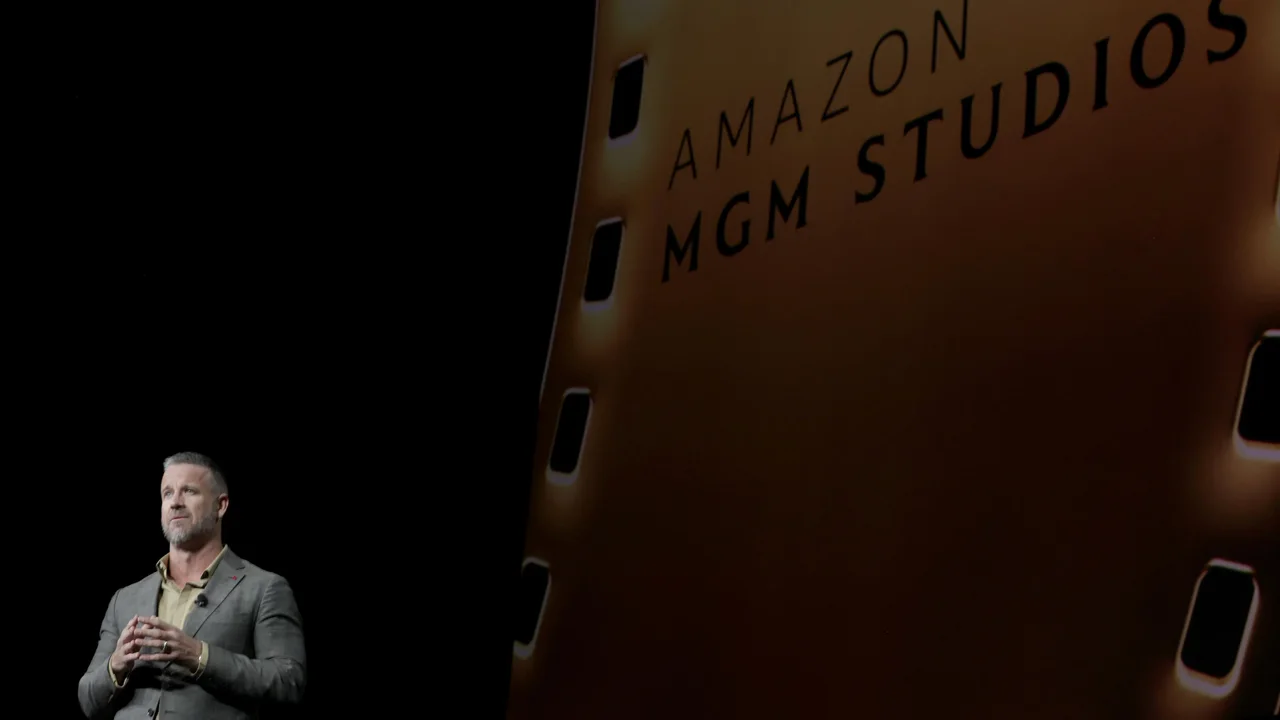
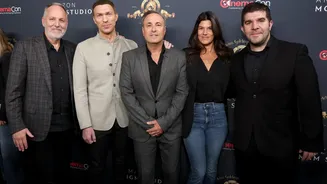
After five years of speculation following Daniel Craig's final bow in 'No Time to Die', Amazon MGM Studios has confirmed the casting that will define the next chapter of James Bond. Robert Pattinson, 40, will be the seventh actor to officially don the tuxedo
and carry the license to kill. The announcement, made on November 16, 2026, ended a search that reportedly included actors like Nicholas Hoult and Callum Turner. In a statement, Pattinson called it the 'honour of a lifetime'. The next film, helmed by 'Dune' director Denis Villeneuve, promises a fresh start for the franchise, but the classic films remain essential viewing. For new fans and old, the question now is: where to begin?
The Purist's Path: Release Order
For those who want to experience the evolution of Bond as audiences did, there is only one way: chronological release order. Starting with 'Dr. No' (1962), this journey takes you from the effortless cool of Sean Connery, which established many of the franchise's enduring tropes, through the groovy 70s with Roger Moore, the grittier take of Timothy Dalton, the slick 90s revival with Pierce Brosnan, and the connected, emotional arc of Daniel Craig. This approach allows you to see the series adapt to changing cinematic trends, from Cold War thrillers to bombastic action blockbusters. It's a long mission, with 25 official films in the Eon Productions canon, but it offers the most complete picture of Bond's cinematic history. Be prepared for tonal whiplash, as the campy 'Moonraker' gives way to the more grounded 'For Your Eyes Only'.
The Actor-by-Actor Arc
Not ready to commit to the full 25-film marathon? A more manageable approach is to watch by actor, treating each tenure as its own mini-series. This highlights the unique flavour each star brought to the role. You could start with the original, Sean Connery, whose first five films set the gold standard. Or perhaps you'd prefer the seven-film run of Roger Moore, who infused the character with more humour and charm. A popular modern starting point is Pierce Brosnan's debut in 'GoldenEye' (1995), a film that successfully rebooted the character for a post-Cold War world and was an entry point for many fans. The most self-contained journey is Daniel Craig's five-film saga, which tells a complete, serialized story from his brutal debut in 'Casino Royale' (2006) to his definitive end in 'No Time to Die' (2021). This is the best option for those who prefer modern, connected storytelling.
The 'Greatest Hits' Tour
If you just want the best of the best, a 'greatest hits' watchlist is your ticket to spy-movie nirvana. While every fan has their favourites, a few consensus classics consistently top the list. 'Goldfinger' (1964) is often cited as the quintessential Bond film, perfecting the formula of gadgets, a memorable villain, and iconic lines. 'From Russia with Love' (1963) is a taut, stylish Cold War thriller. For a taste of tragic romance and a surprisingly emotional story, George Lazenby's sole outing, 'On Her Majesty's Secret Service' (1969), is a fan-favourite. Roger Moore's peak is arguably 'The Spy Who Loved Me' (1977), which features grand spectacle and one of the series' most iconic opening sequences. And no list is complete without 'Casino Royale' (2006), the film that masterfully reinvented Bond for the 21st century and proved Daniel Craig was a perfect choice.
The Literary Dossier: Ian Fleming's Order
For a truly different perspective, consider tackling the films in the order that Ian Fleming wrote the original novels. This approach is for the dedicated fan who wants to see the source material's DNA within the films. The timeline is completely scrambled compared to the movie releases. Your mission would begin with 'Casino Royale', followed by 'Live and Let Die', then 'Moonraker', and so on. This path highlights how filmmakers picked and chose elements, often adapting books out of sequence. For example, the film 'Dr. No' was the first movie made, but it was the sixth book Fleming published. This watchlist provides a fascinating academic layer, revealing how the cinematic Bond sometimes diverged wildly from his literary origins while at other times staying remarkably faithful.