




A Continent on Fire
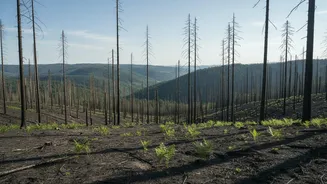
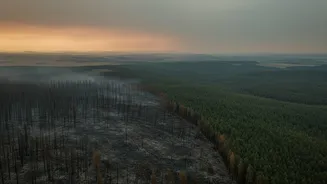
Across southern Europe, summer 2026 is being defined by fire. Countries like Greece, Spain, Italy, and France are battling major blazes that have forced thousands of residents and tourists to flee. In Greece, fires have threatened mainland areas near
Athens and popular islands like Crete. Spain is facing a dual challenge: managing an influx of tourists for a major solar eclipse while fighting multiple active wildfires in several provinces. According to the European Union, the area burned across the continent this year is tracking near record levels, with France and Spain seeing some of their highest wildfire emissions ever recorded. Firefighting resources are stretched thin as multiple countries battle simultaneous emergencies, a scenario becoming more common each year.
The Undeniable Climate Link
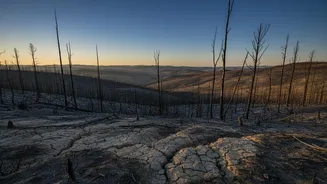
This is not just a string of bad luck. Scientists are clear that human-induced climate change is the primary driver. Record-breaking heatwaves and prolonged droughts have turned vast swathes of the Mediterranean into a tinderbox. Research shows the number of summer days with weather conditions ripe for fires has more than doubled in the region since the 1980s. This creates a dangerous feedback loop: hotter, drier conditions fuel more intense fires, which in turn release massive amounts of carbon into the atmosphere, further accelerating climate change. The phenomenon is so pronounced that authorities now warn extreme wildfire danger could persist through the entire summer.
Immediate Impacts on Travel Plans
For travellers, the disruption can be sudden and severe. Evacuations from hotels and resorts have become a recurring headline. While major international airports have largely remained open, road closures and local transport disruptions can make reaching your destination impossible. Tour operators have been forced to cancel trips to the worst-hit areas, and governments are issuing travel advisories urging caution. If you have a trip booked, the advice is clear: do not cancel based on assumptions. Instead, check the latest official guidance for your specific destination right before you leave, contact your airline and accommodation provider to confirm they are operating, and ensure your travel insurance is up to date.
Rethinking the European Holiday
The crisis is forcing a long-term rethink of what a European holiday looks like. The traditional peak season of July and August now coincides with peak fire risk. As a result, many are rethinking their plans, with some travellers opting to switch destinations or travel dates. This could lead to a fundamental shift, with more tourists choosing to visit southern Europe during the cooler 'shoulder seasons' of spring and autumn. It also highlights a growing need for tourism to adapt. The idyllic, carefree summer getaway is being replaced by a new reality that requires more flexibility, awareness, and planning from every traveller. The days of simply booking a flight and assuming everything will be fine are fading.
How to Travel Responsibly Now
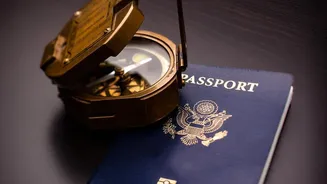
Travelling to the region is still possible, but it requires a new level of awareness. The most important rule is to follow the instructions of local authorities without question, especially concerning evacuation orders or restricted areas. Behave responsibly in the countryside; something as simple as a discarded cigarette can have catastrophic consequences in dry conditions. Prepare a simple 'grab bag' with essentials like your passport, phone, water, and any necessary medication, just in case you need to move quickly. Before you go, register with your government's travel advisory service if available. Ultimately, travelling in this new climate era means being an informed and prepared visitor, not just a consumer.