


The Inevitable Electric Shock
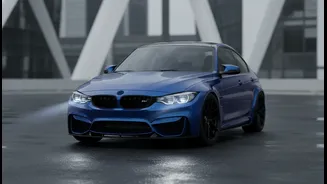
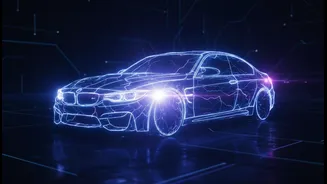
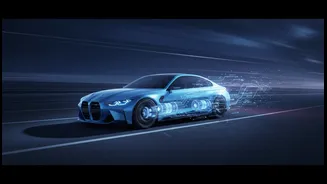
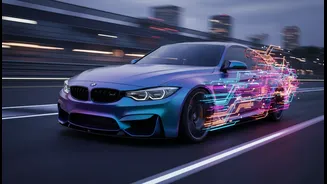
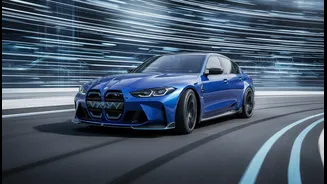
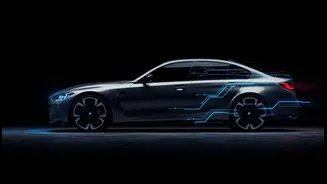
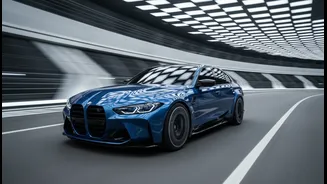
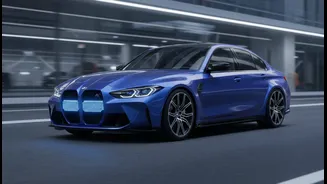
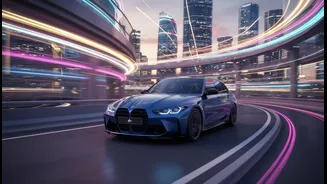
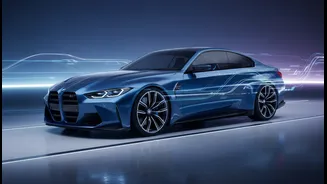
The change coming to one of the world's most celebrated performance cars is no longer a secret. BMW has confirmed that the next-generation M3, expected around 2027, will be a fully electric vehicle. Built on the company's advanced 'Neue Klasse' platform,
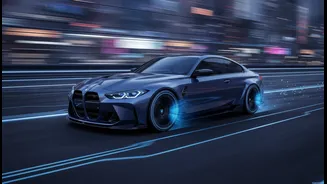
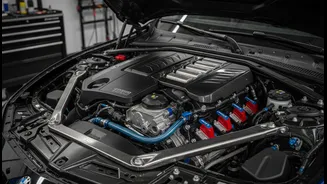
this future M3 will trade its signature inline-six engine for a quad-motor electric setup, one for each wheel. Power estimates suggest a figure approaching 1,000 horsepower, managed by a sophisticated central computer dubbed the 'Heart of Joy,' designed to deliver unprecedented control over driving dynamics. This isn't just a new engine; it's a complete reimagining of what an M3 is. And in a surprising twist, BMW M boss Frank van Meel has confirmed that an updated gasoline-powered M3 will be sold alongside it, giving customers a choice between the past and the future.
More Than Just a Badge
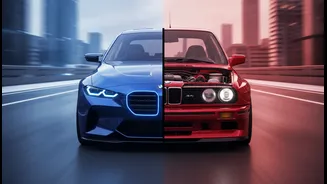
The most telling detail in this transition isn't the technology, but the name. Frank van Meel has been emphatic: the electric model won't be called the 'iM3' or any other electric-specific moniker. It will simply be the BMW M3. This is a profoundly strategic decision. The M3 badge is not just a model designation; it's a promise. It represents nearly 40 years of motorsport heritage, driver-focused engineering, and a specific feel that enthusiasts cherish. Since the original E30 M3 was created as a homologation special for touring car racing in 1986, the name has been synonymous with the 'Ultimate Driving Machine'. Through generations that saw shifts from four-cylinders to six-cylinders, a V8, and back to a turbocharged six, the M3 has always been the benchmark. By bestowing this hallowed name on the new EV, BMW is making a statement: this is not a lesser, eco-friendly offshoot. This is the new standard-bearer.
A Bridge Between Worlds
For many purists, the idea of a silent, single-speed M3 is heresy. The sound of a high-revving engine and the mechanical feel of a gear change are core to the experience. BMW's leadership is acutely aware of this. Van Meel has openly stated that the biggest challenge is creating an 'emotional attachment' to an electric car. The company is developing synthetic sounds and even simulated gear shifts to provide the feedback drivers expect. The M3 name serves as a crucial bridge. It asks the brand's loyal followers to trust them. It implies that despite the absence of pistons and gasoline, the soul of the car—its rear-biased handling, its track-readiness, its driver engagement—will be preserved and even enhanced by the new technology. The quad-motor setup, for instance, allows for a level of torque-vectoring that no mechanical differential could ever hope to match, promising a new dimension of agility. The familiar badge is the company's way of saying, "We know what makes an M3 an M3, and this new car has it."
The Burden of a Legendary Name
However, using the M3 badge is also a massive gamble. It loads the new electric model with immense expectations. Every generation of M3 has faced criticism from purists who claimed the brand was losing its way, only for the new model to eventually win them over with its capabilities. This time is different. The powertrain change is so fundamental that a failure to deliver on the name's promise could permanently dilute the M3's legendary status. If the electric M3 feels heavy, numb, or lacks the character that has defined its predecessors, the blowback could be severe, damaging the credibility of the entire M brand. It has to be more than just brutally fast in a straight line; it must feel alive, communicative, and engaging in the corners. The badge that could make the electric transition acceptable is also the very thing that makes its potential failure so catastrophic. It's a safety net and a tightrope walk all in one.