




A Flood of People, A Trickle of Resources
The core of the problem is a simple, staggering mismatch of numbers. Hill stations like Shimla, Mussoorie, and Manali were developed, often in the colonial era, for a fraction of their current populations. Shimla, for instance, was designed for about
25,000 people but now hosts a resident population that can swell with tourists to many times that number. This explosive growth in tourism, fueled by rising incomes and social media trends, has pushed the infrastructure of these towns far beyond its breaking point. In the first half of 2024 alone, Himachal Pradesh saw over one crore tourists. During peak season, the influx of vehicles is so extreme that legendary traffic jams lasting several hours have become a routine part of the visitor experience, a far cry from a peaceful escape.
The Unseen Water Crisis
Perhaps the most critical, yet often invisible, sign of this strain is the acute water shortage. Many popular hill stations now face chronic water crises, particularly during peak tourist season. Shimla has repeatedly made headlines for severe shortages, with daily demand far outstripping the supply from its ageing water systems. This has led to rationing for residents and forced hotels to rely on expensive private water tankers. The crisis is compounded by two factors: rampant, unregulated construction which disturbs natural ground water percolation, and the contamination of existing water sources like streams and rivers with untreated sewage. In some cases, the situation has become so dire that residents have taken to social media to plead with tourists to stay away.
Concrete Jungles in the Clouds
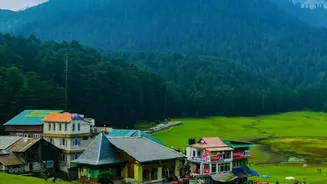
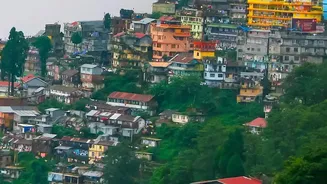
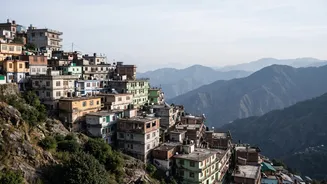
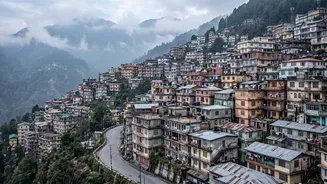
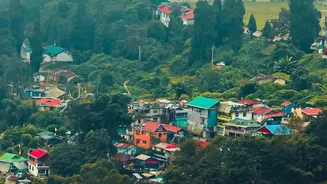
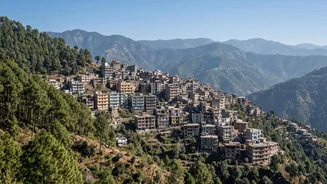
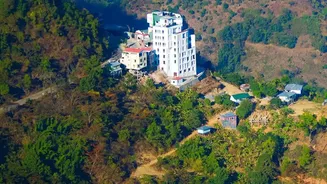
The idyllic vision of cottages nestled among pine forests is being rapidly replaced by a reality of haphazard concrete construction. To cater to the booming tourist numbers, hotels, guesthouses, and homestays have proliferated, often in violation of building norms and without proper planning. This unregulated construction does more than just spoil the view. It destabilises fragile slopes, leading to an increased risk of landslides, a danger amplified in the geologically young and active Himalayas. The land subsidence crisis in Joshimath served as a stark warning of how unchecked development in ecologically sensitive zones can turn a town into a disaster zone. Experts have pointed out that much of this construction encroaches on forests and natural drainage paths, exacerbating environmental degradation.
A Mountain of Waste
With millions of visitors comes a torrent of waste. The solid waste management systems in most hill towns are ill-equipped to handle the sheer volume of plastic bottles, food packaging, and other garbage generated, especially during peak season. Overflowing bins have become a common sight, and the lack of adequate processing facilities in these remote areas means that much of this waste ends up in open dumps, forests, or rivers, polluting the very environment tourists come to enjoy. The Beas River in the Manali region, for instance, now suffers from contamination by plastic litter and untreated sewage from the explosion of tourism-related construction.