




Cardio That Doesn’t Feel Like Cardio
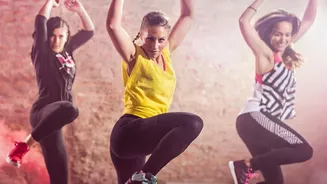
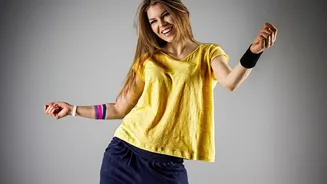
The key to effective cardiovascular exercise is elevating your heart rate and keeping it there. Rhythmic dance workouts achieve this with flair. Whether it's the structured sequences of Zumba or the expressive moves of Bollywood, these activities get
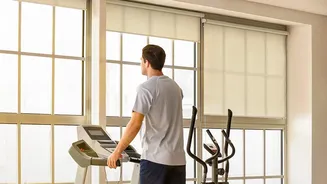
your heart pumping to deliver more oxygen to your muscles. Unlike the linear motion of a treadmill, dancing involves moving in multiple directions—side-to-side, forward, backward, and rotationally—engaging more muscle groups and challenging your body in a dynamic way. Many find they can dance for longer than they can run simply because the enjoyment factor is so high, making it a sustainable way to build stamina and support heart health.
The Low-Impact Advantage for Your Joints
One of the most significant benefits of many dance workouts is their low-impact nature. Low-impact exercises are those that keep at least one foot on the ground, minimizing the jarring force on your joints. This makes dance an excellent option for beginners, older adults, or anyone with knee, hip, or ankle concerns. While high-impact activities like running can be tough on the body, controlled dance movements provide cardiovascular benefits without the added stress. This joint-friendly approach reduces the risk of overuse injuries and means less recovery time, allowing for more consistent training. Even though it’s gentle on the joints, a low-impact dance session can still be high-intensity, helping you burn calories and improve fitness.
A Full-Body Workout in Disguise
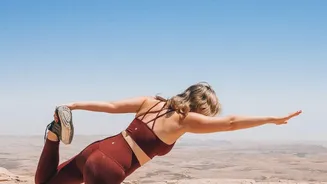
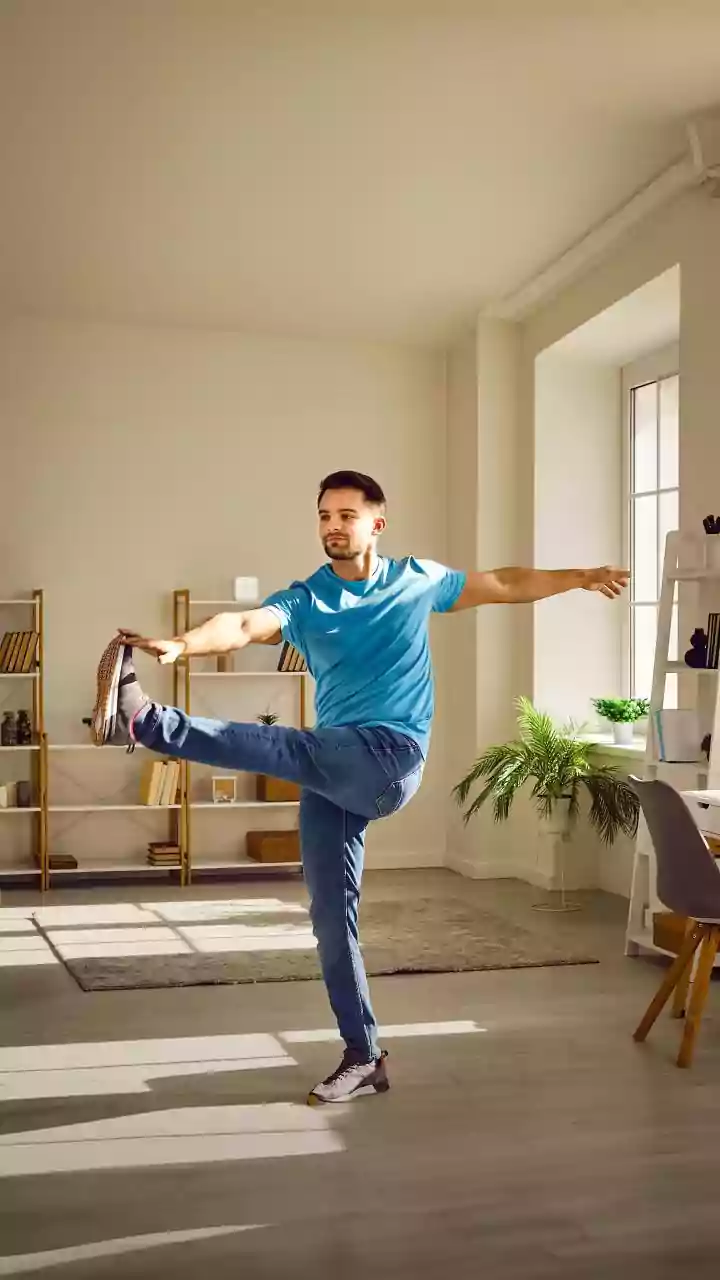
Dance is a comprehensive workout that does more than just raise your heart rate. It's a full-body activity that tones muscles, improves flexibility, and enhances coordination. The constant movement strengthens your core as you work to stay balanced through twists and turns. Your arms, legs, and back are all engaged, leading to improved muscle definition over time. Furthermore, learning and remembering choreography provides a mental workout, boosting cognitive function and memory. This combination of physical and mental engagement improves overall body awareness, posture, and balance, which are crucial for healthy aging.
Find Your Rhythm: Styles to Try
The world of dance fitness is vast and varied, offering something for every taste. For those in India, integrating familiar styles can make the experience even more enjoyable. Bollywood and Bhangra workouts are naturally high-energy, combining expressive storytelling with powerful movements that provide a fantastic cardio session. Zumba remains a global favourite, blending Latin and international music with interval-style training that alternates between high and low intensity. For a focus on posture and muscle control, Barre workouts, inspired by ballet, offer a low-impact but intense session. Many of these classes are available online, making it easy to start from the comfort of your home.
Getting Started on the Right Foot
Starting a new fitness routine should be exciting, not intimidating. If you're new to dance workouts, begin with one or two classes per week to allow your body to adapt. Wear comfortable, breathable clothing and supportive athletic shoes to protect your feet and joints. It’s important to warm up before you start and listen to your body; exercise should be challenging but never painful. Many studios and online platforms offer beginner-specific classes where instructors are accustomed to guiding newcomers. Don't worry about getting every step perfect. The goal is to keep moving, have fun, and let the music guide you.