

The Rhythmic Release of Cycling
Cycling offers a dynamic, physical route to a calmer mind. The repetitive, rhythmic motion of pedaling can act as a form of moving meditation, helping to quiet racing thoughts by demanding focus on the present moment. This cardiovascular activity triggers
the release of endorphins, the body's natural feel-good chemicals, which can boost mood and alleviate feelings of stress. Simultaneously, exercise like cycling helps lower the body's primary stress hormone, cortisol. Whether it's a brisk ride through a park or a challenging uphill climb, cycling provides a powerful combination of physical exertion and mental distraction. The fresh air and changing scenery of an outdoor ride further enhance its stress-reducing effects, as exposure to nature has been shown to be inherently calming. This makes cycling an excellent choice for those who find relaxation through vigorous activity and a tangible sense of progress.
The Meditative Motion of Tai Chi
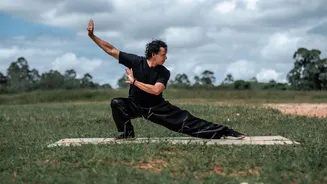
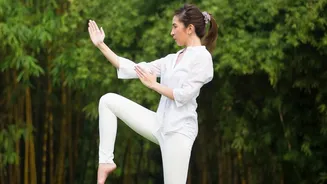
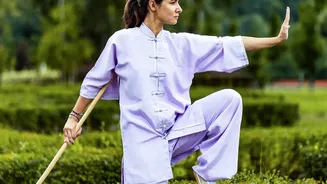
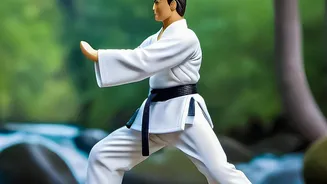
Often described as 'meditation in motion,' Tai Chi is an ancient Chinese practice that provides a gentle, low-impact path to tranquility. It involves a series of slow, graceful, and flowing movements coordinated with deep breathing. This practice cultivates mindfulness, encouraging a deep focus on bodily sensations and the present moment, which helps to calm the nervous system. Studies show that Tai Chi can effectively reduce stress by decreasing sympathetic nervous system output and lowering cortisol levels. Unlike high-intensity workouts, Tai Chi puts minimal stress on muscles and joints, making it accessible to nearly all ages and fitness levels. Its power lies in its deliberateness; each posture flows into the next without pause, creating a state of constant, gentle motion that promotes serenity, improves balance, and releases muscle tension.
Pace vs. Poise: A Direct Comparison
When choosing between cycling and Tai Chi for relaxation, it helps to compare their core characteristics. Cycling is a high-energy, cardiovascular workout that promotes the release of mood-boosting endorphins and serotonin through physical exertion. It offers a sense of speed and accomplishment. Tai Chi, by contrast, is a low-impact, meditative practice focused on mindfulness, breathwork, and slow, deliberate movements to reduce stress. While a cyclist might find a 'flow state' at high speed, a Tai Chi practitioner finds it in stillness and control. Cycling often requires specific gear and more space, while Tai Chi can be done anywhere with no equipment. Cycling can be a highly social activity through group rides, while Tai Chi is often practiced in quiet group classes or solitude. Recent research has even suggested that Tai Chi can be more effective than some aerobic exercises at lowering blood pressure.
Which Path Is Right for You?
The best choice depends entirely on your personality, physical needs, and what 'relaxation' feels like to you. If you are someone who de-stresses by burning off energy, enjoys speed, and likes to see tangible progress in distance or time, cycling may be the ideal fit. It’s perfect for the person who needs to move to clear their head. If, however, you find that high-intensity activities leave you feeling more frazzled, and you seek mental stillness and a deeper mind-body connection, Tai Chi is likely the better option. It is suited for those who want to calm their thoughts through gentle, focused movement and breath control. There's no need to choose just one; many people find that these two activities can complement each other perfectly, offering different tools for different kinds of stress.