





The Compound Behind the Buzz
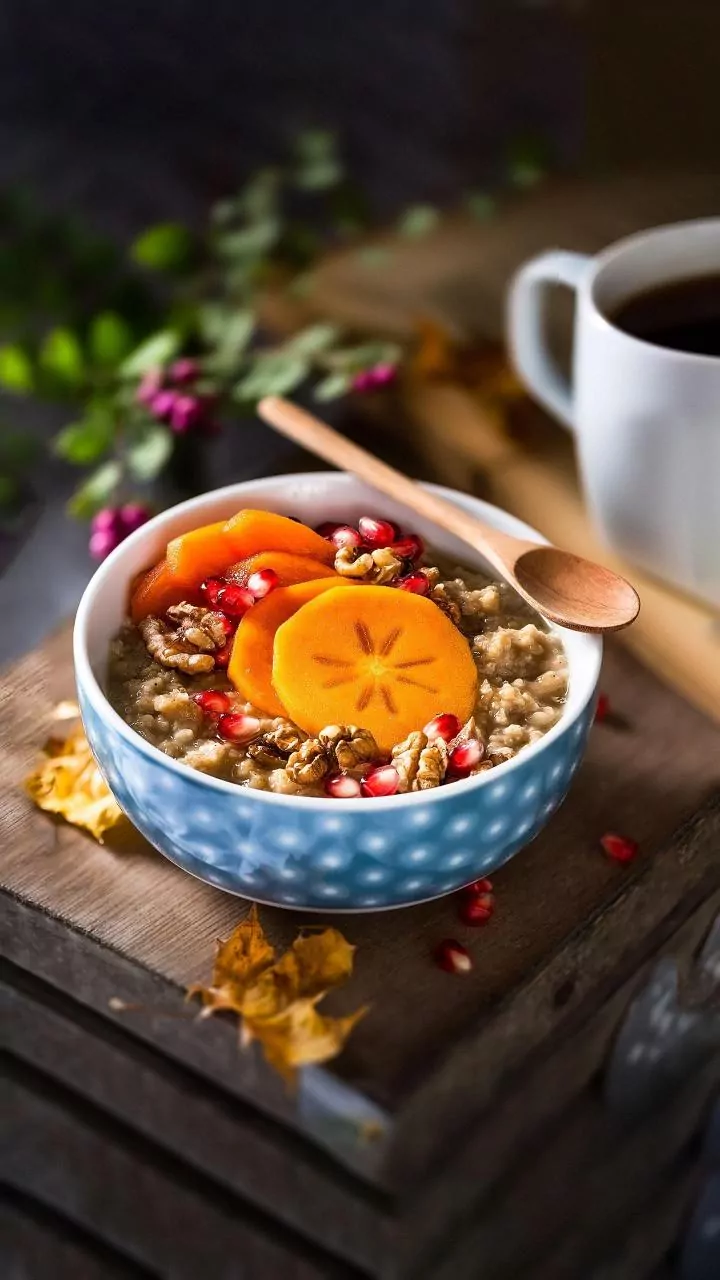
First, it’s important to understand what Urolithin A (UA) is. It’s not something you eat directly from a pomegranate. Instead, it’s a 'postbiotic' metabolite. When you eat foods containing compounds called ellagitannins—found abundantly in pomegranates,
but also in walnuts, raspberries, and strawberries—certain bacteria in your gut can convert them into Urolithin A. However, this process isn't guaranteed. An individual's ability to produce UA depends heavily on having the right mix of gut microbes, and studies suggest a significant portion of the population can't produce it efficiently, if at all.
A Promising Discovery for Heart Health
The recent excitement comes from a study by researchers at King's College London, published in late 2026. The study focused on a specific type of heart failure called 'heart failure with preserved ejection fraction' (HFpEF). This condition, which accounts for about half of all heart failure cases, occurs when the heart muscle becomes stiff and can't relax properly between beats to fill with blood. It's notoriously difficult to treat. In experiments using animal models and lab-grown human heart tissue, the scientists found that Urolithin A helped the heart muscle relax, reduced harmful scarring (fibrosis), and limited the enlargement of the heart. In the animal models, some measures of heart function improved by as much as 80 percent.
How Does It Seem to Work?
The researchers identified a new mechanism of action. They discovered that Urolithin A activates a specific protein called PKGIα, which is crucial for relaxing both heart muscle and blood vessels. By targeting this pathway, the compound appears to make the heart tissue more flexible and responsive, directly addressing the stiffness that characterises HFpEF. The reduction in fibrosis is also significant, as this scarring of the heart tissue contributes to its stiffness and poor function. These findings are important because they point to a completely new therapeutic target for a condition with very few effective treatments.
The Crucial Caveat: Not Proven in Humans
While these results are incredibly promising, it's vital to put them in perspective. The benefits have so far only been demonstrated in animal studies and in vitro experiments on engineered human tissue. Scientists, including those who led the research and the British Heart Foundation which funded it, are quick to caution that we are still in the very early stages. There is currently no proof from large-scale clinical trials that taking Urolithin A—either through diet or supplements—can treat or prevent heart failure in people. As Professor James Leiper of the British Heart Foundation noted, clinical trials are needed to test if the approach is effective and safe for patients.
So, Should You Eat More Pomegranates?
While the study's lead author, Dr. Joseph Burgoyne, said the findings raise the possibility that dietary approaches could one day help, he also stated there isn't enough evidence to suggest people should eat pomegranates specifically to treat heart failure. A healthy, balanced diet rich in fruits and vegetables is already one of the best ways to look after your heart. Pomegranates and walnuts can certainly be part of that healthy diet. However, relying on them as a source of Urolithin A is unreliable due to the variability in gut bacteria. Direct supplementation does exist, but it should not be seen as a substitute for proven medical treatments or a healthy lifestyle.