






The Rise of the Digital-First Traveller
The modern traveller's journey begins long before they pack their bags. It starts with a search query, a scroll through social media, or a browse on an online travel agency (OTA). Studies show that the vast majority of travellers use online resources,
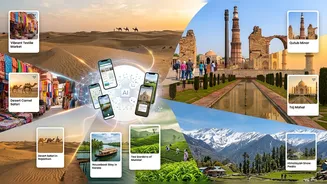
from search engines and review sites like TripAdvisor to social media, to find inspiration and plan their trips. This digital-first approach means that a destination's online presence is its new front door. Whether it's finding the best route on Google Maps, booking a tour, or discovering a 'hidden gem' through a vlogger, travellers are empowered by a wealth of information at their fingertips. This has fundamentally shifted the power dynamic, moving it from traditional travel agents to a complex ecosystem of digital platforms.
The Authenticity Gap in Digital Information
While digital platforms offer unparalleled convenience, they often create an 'authenticity gap'. Information can be homogenized, with major platforms pushing the same handful of attractions, leading to overcrowding and a formulaic experience. Worse, information can be inaccurate or misleading. A restaurant marked 'open' may have closed months ago, a 'secluded' beach might be packed with tourists, and positive reviews can sometimes be fake. This flood of unreliable or generic content can lead to disappointment and negatively impact a destination's reputation. The reliance on algorithms and user-generated content, while useful, can't replace the nuanced, real-time knowledge of someone who actually lives and works in the destination. This is where the value of local providers becomes critically clear.
What 'Strong' Local Information Really Means
Strong information from local providers goes far beyond correct opening hours and addresses. It's about providing context, culture, and character. It’s the small cafe owner blogging about a weekly neighbourhood market that isn’t in any guidebook. It’s the tour guide using a simple QR code to link visitors to a rich history of a landmark, or a hotel sharing real-time updates about a local festival causing street closures. This kind of information is authentic because it's rooted in lived experience. It allows travellers to connect more deeply with a place, understanding its unique rhythm and story. This depth of knowledge is a competitive advantage that large, centralized platforms struggle to replicate. Local providers can tell the stories behind the products, preserve cultural heritage, and offer a truly differentiated experience.
The Economic and Cultural Benefits
When local businesses and experts are empowered to share their knowledge digitally, the benefits ripple through the entire community. Accurate and engaging local content can help distribute tourists more evenly, guiding them away from over-touristed hotspots to lesser-known areas and businesses. This directly supports small, independent enterprises—from family-run homestays to local artisans—ensuring tourism revenue stays within the community. Furthermore, it fosters a more sustainable model of tourism. When visitors have authentic and positive experiences based on reliable information, they are more likely to leave good reviews, recommend the destination to others, and even return. This creates a virtuous cycle where high-quality information leads to high-quality tourism, which in turn preserves the cultural and economic vitality of the destination.
Bridging the Digital Divide for Local Experts
The primary challenge isn't a lack of local knowledge, but the difficulty in getting that knowledge online effectively. Many small business owners lack the time, budget, or technical expertise to compete with large OTAs that dominate search results. They face pressures to manage inventory across multiple channels and maintain a consistent online presence, which can be overwhelming. However, solutions are emerging. Destination Management Organizations (DMOs) and local tourism boards are playing a crucial role by providing training, tools, and platforms that help small providers digitize their offerings. By focusing on niche markets, like adventure travel or culinary tours, smaller players can also carve out a space where their deep knowledge is a key selling point, allowing them to compete on expertise rather than just price.