




The Traditional Mango Calendar
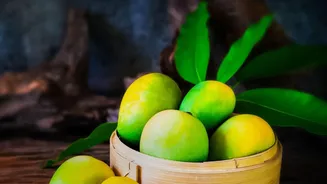
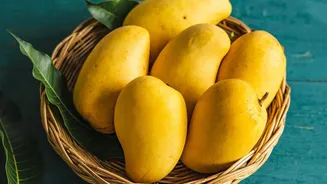
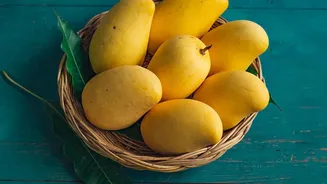
For decades, Karnataka’s mango trade has revolved around a frantic early-season rush. Varieties like the world-famous Alphonso and the sweet Badami dominate the market from April to June. While incredibly popular, this concentration creates a glut, putting
pressure on prices and overwhelming supply chains. Once this peak period passes, the export market traditionally quiets down, leaving farmers with fewer options and international buyers looking elsewhere. This short, intense season has been a significant limitation, preventing the state from maximizing its potential as a global mango powerhouse.
The Late-Season Game Changers
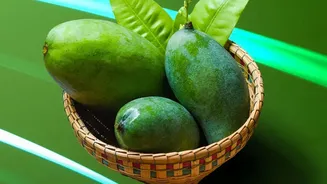
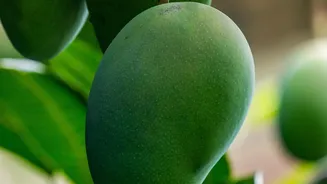
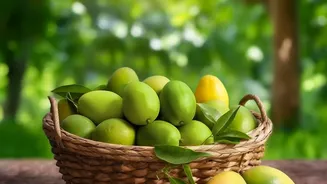
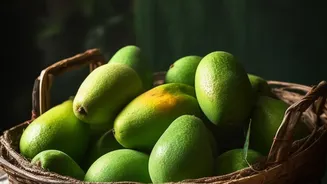
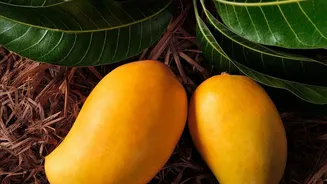
The key to breaking this cycle lies in late-ripening mango varieties. Enter the Neelam and Totapuri mangoes, the stars of this new export strategy. These varieties are harvested from late June through July, perfectly positioned to take over after the initial rush subsides. Neelam is prized for its sweet, juicy pulp and rich aroma, making it ideal for desserts and beverages. Totapuri, easily recognized by its parrot-beak shape, has a unique sweet-and-tangy flavor that is versatile for both fresh eating and industrial processing. By promoting these varieties, Karnataka can ensure a continuous supply of high-quality mangoes to the global market for an extended period.
Unlocking New Markets
A crucial part of the new strategy involves finding the right customers for these late-season fruits. A significant breakthrough came recently with the first-ever air shipment of Neelam and Totapuri mangoes from Karnataka to the Maldives. This initiative, facilitated by the Agricultural and Processed Food Products Export Development Authority (APEDA), marks a major milestone. The one-metric-tonne consignment, flagged off on July 30, 2026, has successfully opened a new international market for Karnataka's growers and demonstrated the viability of this extended export calendar. This opens up new opportunities for the state's mango growers and encourages wider participation from farmer organisations.
A Boost for Farmers and Entrepreneurs
This expansion is about more than just selling fruit; it's about transforming livelihoods. The recent shipment to the Maldives was sourced directly from farmers associated with the Prakruthimaya Farmers Producer Company Ltd. in Kolar district. This direct link to the export market has delivered remarkable results. Farmers involved in the initiative earned over 50 percent higher returns compared to selling through conventional domestic channels. The success also highlights the growing role of new entrepreneurs, as the shipment was managed by a newly registered woman-led export venture, Ahalya Devi Ventures. This model of connecting Farmer Producer Companies (FPCs) directly with global buyers is proving to be a powerful tool for boosting rural incomes.
Building a Sustainable Future
The successful Maldives shipment is seen as a blueprint for the future. APEDA and other government bodies are committed to strengthening the entire export ecosystem. This involves working with state governments and farmer organizations to improve infrastructure, ensure quality control, and gain access to more international markets. The goal is to move away from a reliance on a few peak-season varieties and build a more diversified and resilient export portfolio. By creating new opportunities for late-season varieties, Karnataka is not only extending its mango season but is also ensuring a more stable and prosperous future for its farming communities and solidifying India's position on the world's fruit map.