


What the New Law Entails
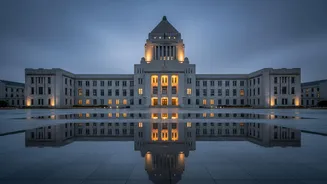
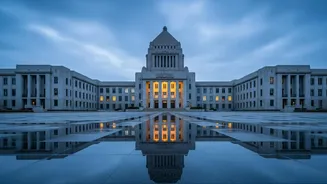
In late July 2026, Japan's parliament, the Diet, enacted a framework law that establishes the legal basis for creating one or more secondary capitals. The core purpose is to ensure that if a catastrophic disaster strikes Tokyo, designated backup cities
can seamlessly take over essential legislative and administrative functions, preventing a total shutdown of the national government. The law is not about permanently relocating the capital; Tokyo will remain the primary political and economic center. Instead, it’s about building a resilient backup system for emergencies. The legislation allows prefectures that meet specific criteria—such as existing infrastructure and a safe distance from Tokyo—to apply for designation, with the Prime Minister making the final selection. The government now has one year to formulate a basic policy to give the law concrete form.
Tokyo's Existential Threat
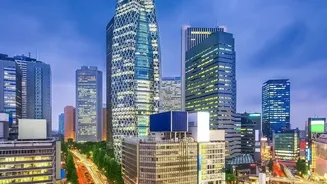
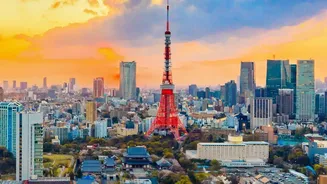
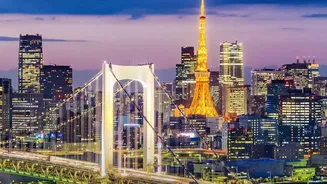
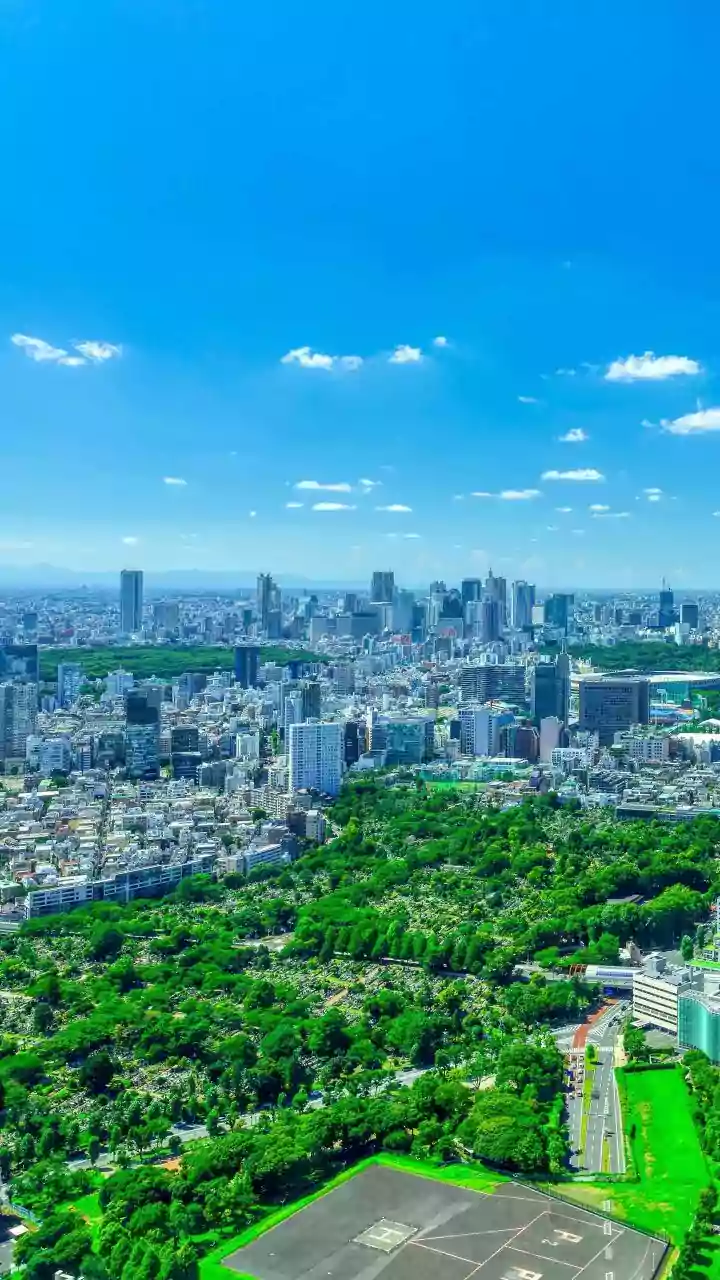
The push for this law is driven by a stark reality: Tokyo is in a uniquely precarious position. Government seismologists estimate there is a roughly 70% probability of a magnitude-7 or stronger earthquake striking the Tokyo metropolitan area within the next 30 years. Such an event, often called the "Big One," could be catastrophic. Simulations project it could cause thousands of deaths and destroy hundreds of thousands of buildings, with economic losses in the hundreds of billions of dollars. The immense concentration of power in Tokyo makes this a national security issue. The capital region hosts the parliament, government ministries, the central bank, and about 30% of the country's population, making Japan dangerously centralized. An earthquake along the Nankai Trough, a massive offshore fault line, also poses a significant tsunami risk to coastal cities, including Tokyo and Osaka.
A Dual-Purpose Strategy
While disaster preparedness is the primary driver, the law has a second, equally important goal: decentralization. For decades, policymakers have been concerned about the "overconcentration" of people, businesses, and political power in Tokyo. This has led to regional economic decline in other parts of the country, with corporate headquarters steadily migrating to the capital. By designating backup hubs, the government hopes to create new engines for economic growth. The law includes provisions for deregulation, tax incentives, and investment in public facilities to encourage private companies to establish a presence in these secondary cities, fostering a more balanced, multi-polar economic structure across Japan.
The Race to Become 'Plan B'
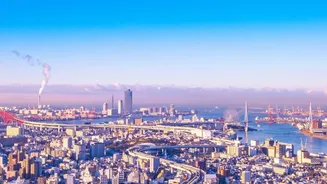
With the law passed, several major cities have already raised their hands, eager for the investment and prestige that would come with being a designated backup capital. Osaka, Japan's second-largest metropolitan area, is widely seen as the front-runner. The push for the bill was strongly supported by the Japan Innovation Party (JIP), a political party with its base in Osaka. However, other regions are also in the running, including Fukuoka, Aichi (home to Nagoya), Hokkaido, and Miyagi. The criteria for selection will likely include a low risk of being affected by the same disaster that hits Tokyo, as well as having the necessary infrastructure and economic base to support government functions. The possibility of designating multiple backups means Japan could create a distributed network of resilience rather than relying on a single alternative.
Challenges and Criticisms
The path forward is not without challenges. Some opposition parties criticized the bill, arguing it was designed to politically benefit the JIP and unfairly favour Osaka. There are also practical concerns. Some experts point out that Osaka itself is vulnerable to a major Nankai Trough earthquake, which could potentially strike both Tokyo and Osaka simultaneously. Furthermore, creating a fully functional backup system requires immense investment in secure facilities, redundant data networks, and housing for displaced officials. Simply designating a city is not enough; reversing decades of economic centralization will require significant and sustained effort to convince businesses and talent to move away from Tokyo's powerful orbit.