




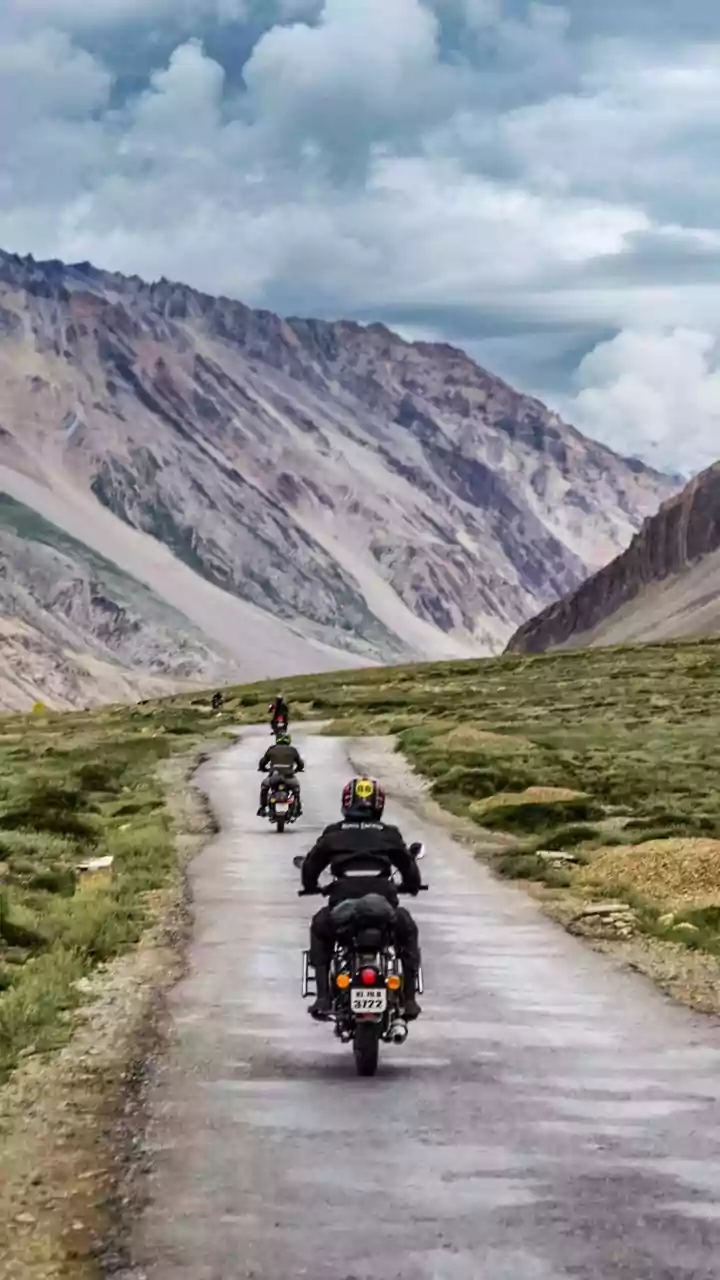



Feeling the need for a getaway but short on time and energy for a big trip? You’re not alone. Enter micro-travel, the growing movement of taking shorter, more frequent breaks that is quickly shaping up to be a defining holiday trend for 2027.
What Exactly is Micro-Travel?
At its core,
micro-travel, or a 'micro-cation', is a short trip, typically lasting between one and four nights. Instead of a single, long annual holiday, this approach involves spreading out vacation time into several smaller, more manageable escapes throughout the year. These trips are often spontaneous and local, focusing on destinations reachable by a short flight or car ride. The emphasis isn't on crossing continents but on meaningful disconnection and exploration closer to home. Think of a weekend exploring a nearby hill station, a two-day wellness retreat, or simply checking into a boutique hotel in your own city for a change of scenery. The goal is to get the mental and physical benefits of a break without the extensive planning, cost, and stress that often accompany a longer holiday.
The Forces Driving This Shift
The rise of micro-travel isn't happening in a vacuum. It's a direct response to modern life's pressures. One of the biggest drivers is widespread burnout; as work demands blur into personal time, a two-week disconnect can feel impossible. Shorter, regular breaks serve as a more attainable way to combat stress. In fact, some research suggests that the positive effects of a vacation fade quickly, making frequent, shorter trips more effective for sustained well-being than one big trip. Economic factors also play a role. With tighter budgets, shorter trips that are closer to home are simply more affordable and accessible to more people. The trend is particularly popular among Gen Z and Millennials, who are navigating limited time off and hybrid work schedules while still prioritising new experiences. Flexible work arrangements have made it easier to turn a regular weekend into a three or four-day escape by working remotely for a day.
More Than a Weekend, It's a Mindset
The micro-travel mindset prioritises restoration over a packed itinerary. Unlike long trips where there's pressure to see and do everything, these short breaks encourage a slower, more intentional pace. The focus shifts to simple pleasures: discovering hidden local gems, enjoying unhurried meals, or just getting fresh air. This aligns with a broader shift towards wellness and personal growth in travel. According to a 2027 trends report from Hilton, a significant number of travellers are actively seeking experiences that calm the body and help them recharge in ways they can't at home. A short, digital detox of two or three days is often more achievable than trying to stay offline for a ten-day vacation, providing a much-needed mental reset. The anticipation of multiple trips throughout the year can also bring more cumulative happiness than the build-up to a single big event.
Planning Your Own Micro-Adventure
The beauty of micro-travel is its simplicity. Start by looking at a map of places within a few hours' drive. You might be surprised by the charming towns, national parks, or unique attractions you've overlooked. Build a trip around a long weekend to maximise your time without dipping too heavily into your annual leave. Since the trip is short, you can often pack light, using just a carry-on and avoiding the hassle of checked bags. The key is to minimise travel time and complexity. In India, this trend is also intersecting with a growing interest in sustainable and responsible tourism, where travellers are keen to explore lesser-known destinations to reduce overcrowding and support local economies.
Why 2027 is the Tipping Point
Several travel industry reports pinpoint the near future as a key period for the micro-travel mindset to become mainstream. Hilton's 2027 trends report identified the 'Micro-Travel Mindset' as a major force, noting that travellers are prioritising flexibility and making the most of any time they have away. This isn't just about saving money; it's about integrating travel into a lifestyle of well-being. As travellers increasingly seek authentic experiences over performative ones, short, meaningful trips offer the perfect solution. The approach allows people to satisfy their wanderlust frequently, turning travel from a rare, high-pressure event into a regular, restorative practice. This shift is reshaping everything from hotel packages to airline demand, solidifying micro-travel as a lasting fixture in our holiday plans.