






The Short Answer: Yes, But Timing Is Everything
Let’s settle it right away: yes, you can refrigerate ripe bananas to keep them fresh for longer. The cold temperature of a refrigerator significantly slows down the ripening process. This means a perfectly yellow banana can be kept at its peak stage of ripeness
for several more days, or even up to a week, by placing it in the fridge. However, there is a crucial catch—this trick only works for bananas that are already ripe. The ideal time is when the banana is fully yellow, perhaps with a few small brown spots starting to appear. This indicates that the starches have converted to sugars, giving the fruit its characteristic sweet flavour and creamy texture that you want to preserve.
The Black Peel Phenomenon Explained
The most common reason people hesitate to refrigerate bananas is the dramatic change in the peel. You might put a yellow banana in the fridge overnight and find it has a pitch-black peel the next day. While alarming, this is purely a cosmetic issue and does not mean the fruit inside is rotten. This discolouration is caused by something called “chilling injury.” The cold temperature ruptures the cells in the banana peel, releasing an enzyme called polyphenol oxidase. When this enzyme is exposed to oxygen, it creates dark pigments called melanin—the same compound responsible for tanning in human skin. While the peel turns dark and unappetizing, the flesh inside is protected from this rapid browning and remains perfectly edible and fresh.
The Golden Rule: Never Refrigerate Green Bananas
While refrigeration is a great tool for ripe bananas, it is the enemy of unripe, green ones. Bananas are tropical fruits that ripen best at room temperature, around 12-20°C. This process is driven by ethylene, a natural plant hormone the fruit releases to signal the conversion of starches into sugars. If you place a green banana in the fridge, the cold temperature halts this process entirely. The enzymes responsible for ripening become inactive, and the banana will likely remain starchy, firm, and bland. Even if you take it out of the fridge later, it won't resume ripening properly. So, always let your green bananas ripen fully on the counter before even thinking about chilling them.
How to Properly Refrigerate Your Bananas
Ready to extend the life of your bananas? The process is simple. First, allow your bananas to ripen to your preferred level on the kitchen counter. Once they reach that perfect yellow stage, you can place them directly into the refrigerator. You can put them in loose or inside a produce bag. While the peel will darken within a day or two, the fruit inside will maintain its texture and sweetness for much longer than it would at room temperature. This simple step is a game-changer for anyone who buys a bunch but only eats one banana a day, helping to prevent them from becoming too soft and sugary for anything other than banana bread.
Beyond the Fridge: Other Storage Tips
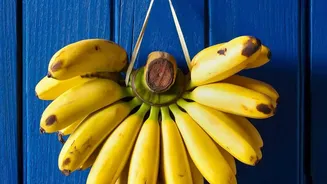
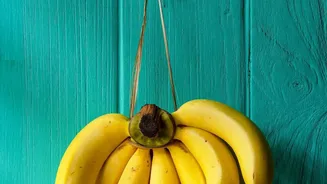
Refrigeration is just one tool in the banana preservation arsenal. To slow down ripening at room temperature, try separating the bananas from the bunch and wrapping the stems in plastic wrap or foil. This helps trap the ethylene gas that the stems release, slowing its spread to the rest of the fruit. Storing them on a banana hook or stand can also help by preventing bruising, which accelerates spoilage. If your bananas do become overripe, don't throw them away. Peel them, slice them, and freeze them on a baking sheet before transferring them to an airtight container. Frozen banana slices are perfect for adding a creamy, thick texture to smoothies and can be stored for months.